
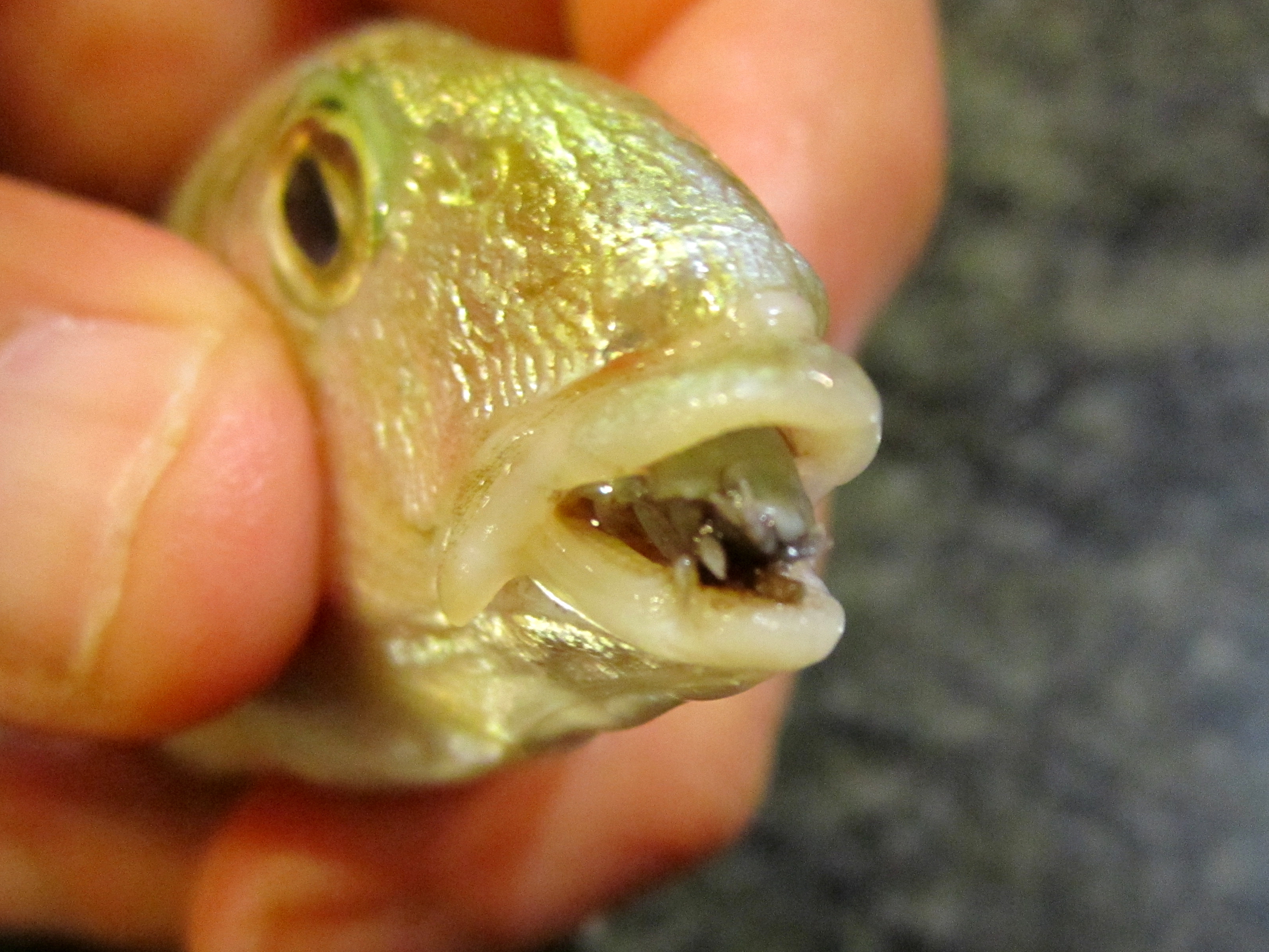
Contents
- 🎯 Introduction to Parasitic Infections
- 🔬 Types of Parasites
- 🌎 Global Prevalence and Impact
- 👥 Key Players in Parasitic Infection Research
- 📊 Epidemiology and Statistics
- 🔍 Diagnosis and Treatment
- 🌈 Prevention and Control Measures
- 🤝 Collaboration and Future Directions
- 📚 Related Topics and Further Reading
- Frequently Asked Questions
- References
- Related Topics
Overview
Parasitic infections are a significant public health concern, affecting millions of people worldwide. These infections occur when a parasite, such as a protozoan, helminth, or ectoparasite, enters a host's body and causes harm. According to the World Health Organization (WHO), parasitic infections are responsible for approximately 14% of all infectious diseases globally. The Centers for Disease Control and Prevention (CDC) reports that parasitic infections can be spread through various means, including contaminated food and water, insect vectors, and direct contact with an infected person. For instance, the CDC estimates that over 60 million people in the United States are infected with Toxoplasma gondii, a parasite that can cause toxoplasmosis. The economic burden of parasitic infections is substantial, with the WHO estimating that the annual cost of treating and preventing these infections exceeds $100 billion. As Dr. Anthony Fauci notes, 'parasitic infections are a major public health concern, and it's essential that we continue to invest in research and development of effective treatments and prevention strategies.'
🎯 Introduction to Parasitic Infections
Parasitic infections have been a significant public health concern for centuries, with evidence of parasitic infections dating back to ancient civilizations. The Greek physician Hippocrates is known to have described parasitic infections, including the presence of tapeworms in the human body. Today, we know that parasitic infections can be caused by a wide range of parasites, including protozoa, helminths, and ectoparasites. For example, the protozoan parasite Plasmodium falciparum is responsible for the majority of malaria cases worldwide, while the helminth parasite Schistosoma mansoni is a major cause of schistosomiasis. As Dr. Peter Hotez notes, 'parasitic infections are a major public health concern, particularly in low- and middle-income countries where access to healthcare is limited.'
🔬 Types of Parasites
There are several types of parasites that can infect humans, including protozoa, helminths, and ectoparasites. Protozoa, such as Giardia lamblia and Cryptosporidium, are single-celled organisms that can cause a range of symptoms, from mild gastrointestinal distress to life-threatening illnesses. Helminths, such as hookworms and tapeworms, are multicellular organisms that can cause a range of symptoms, including abdominal pain, diarrhea, and weight loss. Ectoparasites, such as lice and fleas, are external parasites that can cause a range of symptoms, including itching, scratching, and skin irritation. According to the CDC, the most common parasitic infections in the United States are caused by Toxoplasma gondii, Giardia lamblia, and Cryptosporidium.
🌎 Global Prevalence and Impact
Parasitic infections are a significant global health concern, with millions of people infected worldwide. According to the WHO, parasitic infections are responsible for approximately 14% of all infectious diseases globally. The CDC reports that parasitic infections can be spread through various means, including contaminated food and water, insect vectors, and direct contact with an infected person. For example, the CDC estimates that over 60 million people in the United States are infected with Toxoplasma gondii, a parasite that can cause toxoplasmosis. The economic burden of parasitic infections is substantial, with the WHO estimating that the annual cost of treating and preventing these infections exceeds $100 billion. As Dr. Margaret Chan notes, 'parasitic infections are a major public health concern, and it's essential that we continue to invest in research and development of effective treatments and prevention strategies.'
👥 Key Players in Parasitic Infection Research
Several key players are involved in parasitic infection research, including the WHO, the CDC, and the National Institutes of Health (NIH). These organizations are working to develop effective treatments and prevention strategies for parasitic infections, as well as to raise awareness about the importance of parasitic infection prevention and control. For example, the WHO has launched several initiatives to combat parasitic infections, including the Global Programme to Eliminate Lymphatic Filariasis and the Malaria Eradication Programme. The CDC has also launched several initiatives, including the Parasitic Diseases Program and the Global Health Security Agenda. As Dr. Tom Frieden notes, 'parasitic infections are a major public health concern, and it's essential that we continue to invest in research and development of effective treatments and prevention strategies.'
📊 Epidemiology and Statistics
The epidemiology of parasitic infections is complex, with various factors contributing to the spread of these infections. According to the CDC, parasitic infections can be spread through contaminated food and water, insect vectors, and direct contact with an infected person. For example, the CDC estimates that over 60 million people in the United States are infected with Toxoplasma gondii, a parasite that can cause toxoplasmosis. The economic burden of parasitic infections is substantial, with the WHO estimating that the annual cost of treating and preventing these infections exceeds $100 billion. As Dr. William Foege notes, 'parasitic infections are a major public health concern, and it's essential that we continue to invest in research and development of effective treatments and prevention strategies.'
🔍 Diagnosis and Treatment
Diagnosing and treating parasitic infections can be challenging, as the symptoms of these infections can be non-specific and similar to those of other diseases. According to the CDC, diagnosis of parasitic infections typically involves a combination of laboratory tests, including stool tests, blood tests, and imaging studies. Treatment of parasitic infections depends on the type of parasite and the severity of the infection, and may involve the use of antiparasitic medications, such as albendazole and metronidazole. As Dr. Peter Hotez notes, 'parasitic infections are a major public health concern, particularly in low- and middle-income countries where access to healthcare is limited.'
🌈 Prevention and Control Measures
Preventing and controlling parasitic infections requires a multi-faceted approach, including the use of insecticides, improved sanitation and hygiene, and education and awareness campaigns. According to the WHO, preventing parasitic infections can be achieved through the use of insecticides, such as insecticide-treated bed nets, and improved sanitation and hygiene, such as proper waste disposal and hand washing. Education and awareness campaigns can also play a critical role in preventing parasitic infections, by raising awareness about the risks of these infections and the importance of prevention and control measures. As Dr. Margaret Chan notes, 'parasitic infections are a major public health concern, and it's essential that we continue to invest in research and development of effective treatments and prevention strategies.'
🤝 Collaboration and Future Directions
Collaboration and future directions are critical to addressing the global burden of parasitic infections. According to the WHO, collaboration between governments, non-governmental organizations, and the private sector is essential to developing effective treatments and prevention strategies for parasitic infections. The WHO has launched several initiatives to combat parasitic infections, including the Global Programme to Eliminate Lymphatic Filariasis and the Malaria Eradication Programme. The CDC has also launched several initiatives, including the Parasitic Diseases Program and the Global Health Security Agenda. As Dr. Tom Frieden notes, 'parasitic infections are a major public health concern, and it's essential that we continue to invest in research and development of effective treatments and prevention strategies.'
Key Facts
- Year
- 2022
- Origin
- Global
- Category
- public-health
- Type
- concept
Frequently Asked Questions
What are parasitic infections?
Parasitic infections are infections caused by parasites, such as protozoa, helminths, and ectoparasites, that can cause a range of symptoms, from mild gastrointestinal distress to life-threatening illnesses. According to the CDC, parasitic infections can be spread through contaminated food and water, insect vectors, and direct contact with an infected person. For example, the CDC estimates that over 60 million people in the United States are infected with Toxoplasma gondii, a parasite that can cause toxoplasmosis.
How can parasitic infections be prevented?
Preventing parasitic infections can be achieved through the use of insecticides, improved sanitation and hygiene, and education and awareness campaigns. According to the WHO, preventing parasitic infections can be achieved through the use of insecticides, such as insecticide-treated bed nets, and improved sanitation and hygiene, such as proper waste disposal and hand washing. Education and awareness campaigns can also play a critical role in preventing parasitic infections, by raising awareness about the risks of these infections and the importance of prevention and control measures.
What are the symptoms of parasitic infections?
The symptoms of parasitic infections can vary depending on the type of parasite and the severity of the infection. According to the CDC, common symptoms of parasitic infections include abdominal pain, diarrhea, weight loss, and fatigue. In severe cases, parasitic infections can cause life-threatening illnesses, such as organ failure and respiratory distress. For example, the CDC estimates that over 60 million people in the United States are infected with Toxoplasma gondii, a parasite that can cause toxoplasmosis.
How are parasitic infections diagnosed?
Diagnosing parasitic infections can be challenging, as the symptoms of these infections can be non-specific and similar to those of other diseases. According to the CDC, diagnosis of parasitic infections typically involves a combination of laboratory tests, including stool tests, blood tests, and imaging studies. For example, the CDC recommends the use of stool tests to diagnose parasitic infections, such as giardiasis and cryptosporidiosis.
What are the treatments for parasitic infections?
Treatment of parasitic infections depends on the type of parasite and the severity of the infection, and may involve the use of antiparasitic medications, such as albendazole and metronidazole. According to the CDC, treatment of parasitic infections should be guided by a healthcare professional and may involve a combination of medications and supportive care. For example, the CDC recommends the use of albendazole to treat parasitic infections, such as hookworm and roundworm infections.