
Contents
- 🌊 Introduction to Overfishing
- 🐟 Types of Overfishing
- 📉 Consequences of Overfishing on Biodiversity
- 🌴 Impact on Ecosystem Functioning
- 📊 Economic Consequences of Overfishing
- 👥 Social Impacts of Overfishing
- 🌎 Global Efforts to Combat Overfishing
- 🐠 Case Studies: Success Stories and Failures
- 📚 Research and Development for Sustainable Fishing
- 🚨 The Future of Overfishing: Challenges and Opportunities
- 🤝 International Cooperation to Prevent Overfishing
- 🌟 Conclusion: The Importance of Sustainable Fishing Practices
- Frequently Asked Questions
- Related Topics
Overview
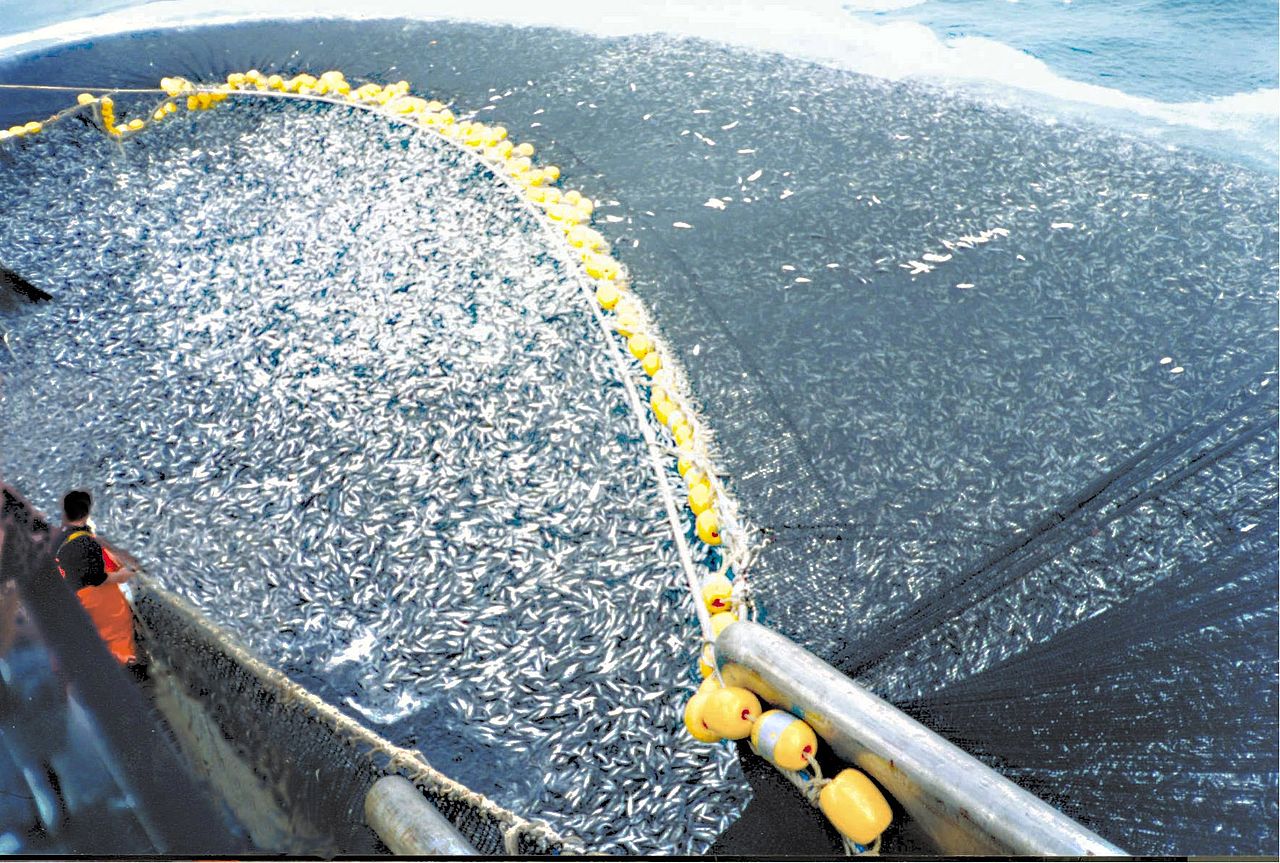
Overfishing, which has been practiced for decades, poses a significant threat to the world's oceans, with the Food and Agriculture Organization (FAO) of the United Nations reporting that approximately 34% of global fish stocks are overfished, and a further 60% are maximally fished. This alarming trend has severe consequences, including the depletion of fish populations, damage to marine ecosystems, and negative impacts on the livelihoods of people dependent on fishing industries. According to a study published in the journal Marine Policy, the global fishing industry is valued at over $150 billion, with the United States, China, and Japan being among the top fishing nations. The World Wildlife Fund (WWF) has warned that if overfishing continues, the world's fish stocks could collapse by 2050, leading to a global food crisis. To combat this issue, organizations such as the Ocean Conservancy and the Marine Stewardship Council (MSC) are working to promote sustainable fishing practices and certify responsibly sourced seafood. With the global population projected to reach 9.7 billion by 2050, the need to address overfishing and ensure the long-term sustainability of the world's oceans has never been more pressing.
🌊 Introduction to Overfishing
Overfishing is a critical issue that affects not only the health of our oceans but also the livelihoods of people who depend on fishing. According to the Food and Agriculture Organization (FAO), overfishing is the removal of aquatic animals—primarily fish—from a body of water at a rate greater than that the species can replenish its population naturally. This can occur in water bodies of any size, from ponds and wetlands to seas and oceans, and can result in resource depletion, reduced biological growth rates, and low biomass levels. The United Nations has recognized the importance of addressing overfishing, and has implemented various initiatives to promote sustainable fishing practices. For example, the Sustainable Development Goals (SDGs) include a target to conserve and sustainably use the world's oceans, seas, and marine resources. The World Wildlife Fund (WWF) is also working to address overfishing through its ocean conservation program.
🐟 Types of Overfishing
There are several types of overfishing, including growth overfishing, recruitment overfishing, and ecosystem overfishing. Growth overfishing occurs when fish are caught before they have a chance to grow and reproduce, while recruitment overfishing occurs when the number of new fish is not sufficient to replace the ones that are caught. Ecosystem overfishing, on the other hand, occurs when the removal of a particular species has a ripple effect throughout the entire ecosystem. The National Oceanic and Atmospheric Administration (NOAA) has identified overfishing as a major threat to the health of our oceans, and is working to address the issue through its fisheries management program. The Ocean Conservancy is also working to address overfishing through its Save the Ocean campaign.
📉 Consequences of Overfishing on Biodiversity
Overfishing has severe consequences for biodiversity, including the depletion of fish populations and the degradation of habitats. When fish populations are depleted, it can have a ripple effect throughout the entire ecosystem, leading to the loss of other species that depend on them for food or shelter. The International Union for Conservation of Nature (IUCN) has identified overfishing as a major threat to the health of our oceans, and is working to address the issue through its species conservation program. The World Conservation Society is also working to address overfishing through its wildlife conservation program. For example, the Marine Protected Areas (MPAs) are designated areas that are protected from human activities such as fishing, and can help to replenish depleted fish populations.
🌴 Impact on Ecosystem Functioning
Overfishing also has significant impacts on ecosystem functioning, including the disruption of food webs and the degradation of habitats. When fish populations are depleted, it can have a ripple effect throughout the entire ecosystem, leading to the loss of other species that depend on them for food or shelter. The Smithsonian Institution has identified overfishing as a major threat to the health of our oceans, and is working to address the issue through its ocean research program. The Woods Hole Oceanographic Institution is also working to address overfishing through its ocean exploration program. For example, the coral reefs are some of the most diverse ecosystems on the planet, and are home to a wide variety of fish and other marine species.
📊 Economic Consequences of Overfishing
The economic consequences of overfishing are also significant, including the loss of income and livelihoods for people who depend on fishing. According to the World Bank, the global fishing industry is worth over $150 billion, and provides a source of income for millions of people around the world. However, when fish populations are depleted, it can lead to the loss of income and livelihoods for people who depend on fishing, as well as the degradation of coastal communities. The International Fisheries Management is working to address the issue through its sustainable fisheries program. The Fisheries Management Council is also working to address overfishing through its fisheries conservation program.
🌎 Global Efforts to Combat Overfishing
There are several global efforts to combat overfishing, including the implementation of catch limits and the establishment of marine protected areas. The United Nations has recognized the importance of addressing overfishing, and has implemented various initiatives to promote sustainable fishing practices. For example, the Sustainable Development Goals (SDGs) include a target to conserve and sustainably use the world's oceans, seas, and marine resources. The World Wildlife Fund (WWF) is also working to address overfishing through its ocean conservation program.
🐠 Case Studies: Success Stories and Failures
There are several case studies that demonstrate the success and failure of efforts to combat overfishing. For example, the Marine Stewardship Council (MSC) has certified several fisheries around the world as sustainable, and has helped to promote sustainable fishing practices. However, there are also many examples of failed efforts to combat overfishing, such as the cod fishery in the North Atlantic, which collapsed in the 1990s due to overfishing. The National Oceanic and Atmospheric Administration (NOAA) has identified overfishing as a major threat to the health of our oceans, and is working to address the issue through its fisheries management program.
📚 Research and Development for Sustainable Fishing
Research and development are critical to addressing the issue of overfishing. The Smithsonian Institution has identified overfishing as a major threat to the health of our oceans, and is working to address the issue through its ocean research program. The Woods Hole Oceanographic Institution is also working to address overfishing through its ocean exploration program. For example, the ocean observing system is a network of sensors and monitoring systems that track the health of our oceans and provide data on fish populations and other marine species.
🚨 The Future of Overfishing: Challenges and Opportunities
The future of overfishing is uncertain, but it is clear that urgent action is needed to address the issue. The United Nations has recognized the importance of addressing overfishing, and has implemented various initiatives to promote sustainable fishing practices. For example, the Sustainable Development Goals (SDGs) include a target to conserve and sustainably use the world's oceans, seas, and marine resources. The World Wildlife Fund (WWF) is also working to address overfishing through its ocean conservation program.
🤝 International Cooperation to Prevent Overfishing
International cooperation is critical to addressing the issue of overfishing. The United Nations has recognized the importance of addressing overfishing, and has implemented various initiatives to promote sustainable fishing practices. For example, the Sustainable Development Goals (SDGs) include a target to conserve and sustainably use the world's oceans, seas, and marine resources. The World Wildlife Fund (WWF) is also working to address overfishing through its ocean conservation program.
🌟 Conclusion: The Importance of Sustainable Fishing Practices
In conclusion, overfishing is a critical issue that affects not only the health of our oceans but also the livelihoods of people who depend on fishing. It is clear that urgent action is needed to address the issue, and that international cooperation is critical to promoting sustainable fishing practices. The United Nations has recognized the importance of addressing overfishing, and has implemented various initiatives to promote sustainable fishing practices. For example, the Sustainable Development Goals (SDGs) include a target to conserve and sustainably use the world's oceans, seas, and marine resources.
Key Facts
- Year
- 2022
- Origin
- United Nations Food and Agriculture Organization (FAO)
- Category
- Environmental Conservation
- Type
- Environmental Issue
Frequently Asked Questions
What is overfishing?
Overfishing is the removal of aquatic animals—primarily fish—from a body of water at a rate greater than that the species can replenish its population naturally. This can occur in water bodies of any size, from ponds and wetlands to seas and oceans, and can result in resource depletion, reduced biological growth rates, and low biomass levels. The United Nations has recognized the importance of addressing overfishing, and has implemented various initiatives to promote sustainable fishing practices. For example, the Sustainable Development Goals (SDGs) include a target to conserve and sustainably use the world's oceans, seas, and marine resources.
What are the consequences of overfishing?
The consequences of overfishing are severe and far-reaching, including the depletion of fish populations, the degradation of habitats, and the loss of income and livelihoods for people who depend on fishing. According to the World Bank, the global fishing industry is worth over $150 billion, and provides a source of income for millions of people around the world. However, when fish populations are depleted, it can lead to the loss of income and livelihoods for people who depend on fishing, as well as the degradation of coastal communities. The International Fisheries Management is working to address the issue through its sustainable fisheries program.
What can be done to prevent overfishing?
There are several steps that can be taken to prevent overfishing, including the implementation of catch limits, the establishment of marine protected areas, and the promotion of sustainable fishing practices. The United Nations has recognized the importance of addressing overfishing, and has implemented various initiatives to promote sustainable fishing practices. For example, the Sustainable Development Goals (SDGs) include a target to conserve and sustainably use the world's oceans, seas, and marine resources. The World Wildlife Fund (WWF) is also working to address overfishing through its ocean conservation program.
What is the role of international cooperation in addressing overfishing?
International cooperation is critical to addressing the issue of overfishing. The United Nations has recognized the importance of addressing overfishing, and has implemented various initiatives to promote sustainable fishing practices. For example, the Sustainable Development Goals (SDGs) include a target to conserve and sustainably use the world's oceans, seas, and marine resources. The World Wildlife Fund (WWF) is also working to address overfishing through its ocean conservation program. The International Fisheries Management is working to address the issue through its sustainable fisheries program.
What are some examples of successful efforts to combat overfishing?
There are several examples of successful efforts to combat overfishing, including the implementation of catch limits and the establishment of marine protected areas. The Marine Stewardship Council (MSC) has certified several fisheries around the world as sustainable, and has helped to promote sustainable fishing practices. The National Oceanic and Atmospheric Administration (NOAA) has identified overfishing as a major threat to the health of our oceans, and is working to address the issue through its fisheries management program.
👥 Social Impacts of Overfishing
The social impacts of overfishing are also significant, including the loss of cultural heritage and the degradation of coastal communities. For many communities around the world, fishing is not just a source of income, but also a way of life. When fish populations are depleted, it can lead to the loss of cultural heritage and the degradation of coastal communities. The United Nations Development Programme (UNDP) is working to address the issue through its sustainable livelihoods program. The Food and Agriculture Organization (FAO) is also working to address overfishing through its sustainable fishing practices program.