
Contents
- 🌟 Introduction to Otter Behavior
- 🐾 Social Structure and Communication
- 🔍 Intelligence and Problem-Solving
- 🌿 Habitat and Environmental Adaptations
- 👥 Otter Conservation and Threats
- 📊 Otter Population Dynamics
- 🔬 Otter Research and Study Methods
- 🌈 Otter Cultural Significance and Symbolism
- 🌎 Otter Distribution and Migration Patterns
- 👀 Otter Observation and Tracking Techniques
- 📸 Otter Photography and Documentation
- 🌐 Otter Conservation Efforts and Organizations
- Frequently Asked Questions
- Related Topics
Overview
Otter behavior is a captivating subject that has garnered significant attention from wildlife enthusiasts and researchers alike. With their sleek, agile bodies and playful demeanor, otters have been observed exhibiting a range of intriguing behaviors, from cooperative hunting and social bonding to complex communication systems and adaptability to various aquatic environments. Studies have shown that otters possess a high level of intelligence, often using tools to obtain food and solve problems. However, their populations are threatened by habitat destruction, pollution, and hunting, highlighting the need for conservation efforts to protect these charismatic creatures. According to a study published in the Journal of Mammalogy, otter populations have declined by 30% over the past two decades, emphasizing the urgency of conservation initiatives. Furthermore, research by the Otter Trust has revealed that otters play a crucial role in maintaining healthy ecosystems, with their presence often indicating a balanced and thriving environment. As we continue to learn more about otter behavior, it becomes increasingly clear that these animals are not only fascinating to observe but also vital components of their ecosystems.
🌟 Introduction to Otter Behavior
Otter behavior is a fascinating topic that has garnered significant attention in the field of Wildlife Biology. These aquatic mammals are known for their playful, social, and intelligent nature, making them a joy to study and observe. Otters are found in various parts of the world, including North America, Europe, and Asia. Their behavior is shaped by their environment, diet, and social interactions, making them a great subject for study. For example, the Sea Otter is a keystone species in its ecosystem, playing a crucial role in maintaining the balance of its environment. In contrast, the Eurasian Otter is a more solitary species, with a larger home range and more varied diet.
🔍 Intelligence and Problem-Solving
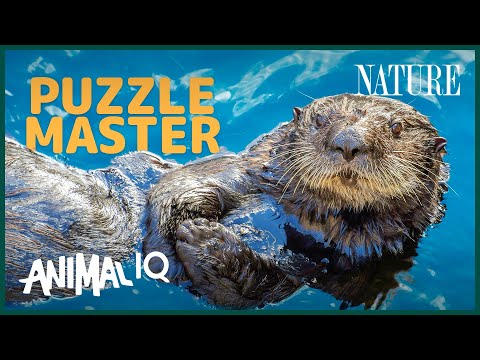
Otters are renowned for their intelligence and problem-solving abilities. They have been observed using tools, such as rocks, to crack open shells and eat the contents. This level of cognitive ability is rare in the animal kingdom, making otters a fascinating subject for study. In fact, the Otter's Intelligence has been compared to that of Primates, with some species exhibiting similar problem-solving abilities. Furthermore, otters have been known to adapt to different environments and learn from experience, demonstrating their impressive cognitive flexibility. The study of Cognitive Psychology has also provided valuable insights into the otter's intelligence and behavior.
🌿 Habitat and Environmental Adaptations
Otters are found in a variety of habitats, including rivers, lakes, and coastal areas. They are adapted to life in the water, with a thick layer of fur, webbed feet, and a streamlined body. However, they also spend a significant amount of time on land, where they can be found resting, grooming, and even playing. The Otter's Habitat is characterized by a mix of aquatic and terrestrial environments, which provides them with a unique set of challenges and opportunities. For example, the Freshwater Ecosystems provide otters with a rich source of food, while the Coastal Ecosystems offer them a diverse range of habitats and prey species.
👥 Otter Conservation and Threats
Unfortunately, otters are facing numerous threats, including habitat loss, pollution, and hunting. As a result, many otter populations are declining, and conservation efforts are necessary to protect these amazing animals. The Otter Conservation efforts are focused on protecting their habitats, reducing pollution, and promoting sustainable hunting practices. In addition, the study of Ecology has provided valuable insights into the otter's role in its ecosystem, highlighting the importance of preserving their habitats and preventing their extinction. The Wildlife Conservation community is working together to protect otters and their habitats, and to promote a greater understanding of these amazing animals.
📊 Otter Population Dynamics
Otter population dynamics are complex and influenced by a variety of factors, including food availability, habitat quality, and disease. Understanding these dynamics is essential for effective conservation and management of otter populations. The Otter Population Dynamics are characterized by a mix of stable and fluctuating populations, which are influenced by a range of environmental and demographic factors. For example, the Population Ecology of otters has been studied in detail, providing valuable insights into their population dynamics and conservation biology. In addition, the study of Wildlife Management has provided a framework for managing otter populations and promoting their conservation.
🔬 Otter Research and Study Methods
Studying otter behavior and ecology requires a range of research methods, including observation, tracking, and experimentation. Researchers use techniques such as camera traps, radio telemetry, and genetic analysis to gather data on otter populations and behavior. The Otter Research community is working together to develop new methods and technologies for studying otters, and to promote a greater understanding of their behavior and ecology. For instance, the Wildlife Research community has developed a range of innovative methods for studying otters, including the use of Drone Technology and Acoustic Monitoring.
🌈 Otter Cultural Significance and Symbolism
Otters have a rich cultural significance and symbolism in many societies. They are often seen as playful, curious, and charming animals, and are frequently featured in art, literature, and folklore. The Otter's Cultural Significance is characterized by a mix of positive and negative associations, which reflect their complex and multifaceted nature. For example, the Native American Culture has a deep respect for otters, which are seen as a symbol of wisdom and adaptability. In contrast, the European Folklore often depicts otters as mischievous and cunning animals.
🌎 Otter Distribution and Migration Patterns
Otters are found on every continent except Australia and Antarctica, and their distribution is influenced by a range of factors, including climate, habitat, and food availability. Understanding their distribution and migration patterns is essential for effective conservation and management of otter populations. The Otter Distribution is characterized by a mix of widespread and localized populations, which are influenced by a range of environmental and demographic factors. For instance, the Biogeography of otters has been studied in detail, providing valuable insights into their distribution and migration patterns. In addition, the study of Ecological Niche has provided a framework for understanding the otter's role in its ecosystem and its distribution across different environments.
👀 Otter Observation and Tracking Techniques
Observing and tracking otters can be a challenging but rewarding experience. Researchers and wildlife enthusiasts use a range of techniques, including camera traps, radio telemetry, and observation from a distance, to study otter behavior and ecology. The Otter Observation community is working together to develop new methods and technologies for studying otters, and to promote a greater understanding of their behavior and ecology. For example, the Wildlife Photography community has developed a range of innovative methods for capturing images of otters, including the use of Underwater Photography and Camera Traps.
📸 Otter Photography and Documentation
Photographing otters can be a thrilling experience, but it requires patience, skill, and a deep understanding of otter behavior and ecology. Wildlife photographers use a range of techniques, including camera traps, hide photography, and underwater photography, to capture stunning images of otters. The Otter Photography community is working together to promote a greater understanding of otters and their habitats, and to inspire conservation efforts. For instance, the Conservation Photography community has developed a range of innovative methods for using photography to promote conservation, including the use of Storytelling and Visual Narrative.
🌐 Otter Conservation Efforts and Organizations
Conservation efforts are necessary to protect otter populations and their habitats. Organizations such as the iucn and the wwf are working to protect otter habitats, reduce pollution, and promote sustainable hunting practices. The Otter Conservation Efforts are focused on protecting their habitats, reducing pollution, and promoting sustainable hunting practices. For example, the Wildlife Conservation Society has developed a range of innovative methods for protecting otter habitats, including the use of Habitat Restoration and Species Reintroduction.
Key Facts
- Year
- 2022
- Origin
- North America, Europe, and Asia
- Category
- Wildlife Biology
- Type
- Animal Behavior
Frequently Asked Questions
What is the average lifespan of an otter?
The average lifespan of an otter varies depending on the species, but most otters live between 10-20 years in the wild. In captivity, they can live up to 25 years or more. The Otter's Lifespan is influenced by a range of factors, including diet, habitat, and disease. For example, the Sea Otter has a relatively short lifespan, typically living between 10-15 years in the wild. In contrast, the Eurasian Otter can live up to 20 years or more in the wild.
What do otters eat?
Otters are carnivores and their diet consists of a variety of aquatic and terrestrial animals, including fish, crustaceans, insects, and small mammals. The Otter's Diet is characterized by a mix of prey species, which are influenced by their habitat and environment. For instance, the Sea Otter feeds on a variety of marine species, including Sea Urchins and Crabs. In contrast, the Eurasian Otter feeds on a variety of freshwater species, including Fish and Frogs.
Are otters social animals?
Yes, otters are highly social animals that live in family groups, typically consisting of a female, her offspring, and occasionally a male. They communicate with each other using a variety of vocalizations, including whistles, chirps, and grunts. The Otter's Social Structure is characterized by a dominant female, who leads the group and defends its territory. In addition, otters have been observed exhibiting Playful Behavior, which is essential for their development and social bonding.
How can I help conserve otter populations?
There are several ways to help conserve otter populations, including supporting conservation organizations, reducing pollution, and promoting sustainable hunting practices. You can also help by spreading awareness about the importance of otter conservation and the threats they face. The Otter Conservation efforts are focused on protecting their habitats, reducing pollution, and promoting sustainable hunting practices. For example, the Wildlife Conservation Society has developed a range of innovative methods for protecting otter habitats, including the use of Habitat Restoration and Species Reintroduction.
What is the biggest threat to otter populations?
The biggest threat to otter populations is habitat loss and fragmentation, which can lead to reduced food availability, increased human-otter conflict, and decreased genetic diversity. Other threats include pollution, hunting, and climate change. The Otter Threats are characterized by a mix of environmental and demographic factors, which are influenced by human activities and climate change. For instance, the Habitat Loss is a major threat to otter populations, as it reduces their access to food, shelter, and breeding habitats.
Can otters be kept as pets?
No, otters do not make good pets. They are wild animals that have complex social and spatial needs that cannot be met in a domestic setting. They also require a lot of space, specialized care, and a diet that is difficult to replicate in captivity. The Otter as a Pet is not a viable option, as it can lead to a range of welfare problems and conservation concerns. For example, the Wildlife Trade in otters is a major concern, as it can lead to the exploitation and mistreatment of these animals.
How can I learn more about otter behavior and ecology?
There are many ways to learn more about otter behavior and ecology, including reading scientific articles, watching documentaries, and participating in citizen science projects. You can also support conservation organizations and research institutions that study otters and their habitats. The Otter Research community is working together to develop new methods and technologies for studying otters, and to promote a greater understanding of their behavior and ecology. For instance, the Wildlife Research community has developed a range of innovative methods for studying otters, including the use of Drone Technology and Acoustic Monitoring.
🐾 Social Structure and Communication
Otters are highly social animals that live in family groups, typically consisting of a female, her offspring, and occasionally a male. They communicate with each other using a variety of vocalizations, including whistles, chirps, and grunts. This complex communication system allows them to convey information about food, predators, and other important events. For instance, the Otter's Social Structure is characterized by a dominant female, who leads the group and defends its territory. In addition, otters have been observed exhibiting Playful Behavior, which is essential for their development and social bonding. The study of Animal Communication has also shed light on the importance of vocalizations in otter behavior.