
Contents
Overview
Oregon health officials have declared a measles outbreak after confirming five cases in the state. The outbreak has sparked concerns about the spread of the highly contagious disease, particularly among unvaccinated individuals. According to the Oregon Health Authority, the cases are linked to a single exposure at a local church, where a person with measles attended a gathering. The incident highlights the importance of vaccination in preventing the spread of measles, with the Centers for Disease Control and Prevention (CDC) reporting a 555% increase in measles cases nationwide since 2013. The outbreak has also raised questions about the role of vaccine exemptions in contributing to the spread of the disease, with 2.5% of Oregon kindergartners having non-medical exemptions from vaccination. As health officials work to contain the outbreak, residents are advised to ensure they are up-to-date on their vaccinations and take precautions to prevent the spread of the disease.
🚨 Introduction to Measles Outbreak
The recent declaration of a measles outbreak in Oregon has sent shockwaves throughout the medical community and the general public. As of the latest reports, there have been five confirmed cases, prompting Oregon Health Authority officials to take immediate action. Measles, a highly contagious viral disease, can have severe complications, especially in young children and individuals with weakened immune systems. The outbreak has raised concerns about the importance of vaccination and the need for increased awareness about the risks of measles. According to Centers for Disease Control and Prevention, measles is a leading cause of vaccine-preventable deaths worldwide. The situation in Oregon serves as a stark reminder of the ongoing challenges in maintaining high vaccination rates and the potential consequences of not doing so.
📊 Measles Outbreak Statistics
Measles outbreak statistics are alarming, with the number of cases increasing rapidly. The five confirmed cases in Oregon are part of a larger trend, with measles outbreaks reported in several other states across the United States. The World Health Organization has also reported a significant increase in measles cases globally, with a 300% increase in cases worldwide compared to the same time last year. The economic burden of measles outbreaks is substantial, with estimates suggesting that each case can cost upwards of $10,000 to treat. Furthermore, the impact on public health resources and the potential for long-term complications make it essential to address the root causes of these outbreaks. Public health policy experts are working to identify strategies to improve vaccination rates and prevent future outbreaks.
👥 Affected Communities
The affected communities in Oregon are taking proactive steps to prevent further spread of the disease. Local health authorities are working closely with school districts and community organizations to educate the public about the risks of measles and the importance of vaccination. The Oregon state government has also launched a public awareness campaign to encourage parents to get their children vaccinated. However, some communities remain skeptical about the safety and efficacy of vaccines, highlighting the need for targeted outreach and education efforts. Vaccine hesitancy is a complex issue, and addressing it will require a multifaceted approach that takes into account the concerns and values of these communities. By engaging with local leaders and organizations, health officials hope to build trust and increase vaccination rates.
🤝 Public Health Response
The public health response to the measles outbreak in Oregon has been swift and decisive. Health officials have activated emergency response protocols, and contact tracing efforts are underway to identify individuals who may have been exposed to the virus. The Oregon Health Authority has also established a hotline for concerned citizens and is providing guidance to healthcare providers on diagnosing and treating measles cases. Additionally, the authority is working with local schools and childcare centers to ensure that all students and staff are up-to-date on their vaccinations. The response efforts are being coordinated with federal agencies, including the Centers for Disease Control and Prevention, to ensure a comprehensive and effective approach to containing the outbreak. Infectious disease control measures are critical in preventing the spread of measles and protecting vulnerable populations.
💉 Vaccination Efforts
Vaccination efforts are a crucial component of the public health response to the measles outbreak. Health officials are urging all individuals who have not been vaccinated or who are unsure of their vaccination status to get vaccinated as soon as possible. The measles vaccine is highly effective in preventing the disease, and it is essential that all eligible individuals receive the recommended two doses. The Oregon state government has launched a vaccination campaign, offering free or low-cost vaccinations to those who need them. Furthermore, the government is working with healthcare providers to ensure that all patients are screened for vaccination status and offered the vaccine if necessary. Vaccine distribution channels are being optimized to ensure that vaccines are available to all who need them, particularly in underserved communities.
📊 Economic Impact
The economic impact of the measles outbreak in Oregon is significant, with estimates suggesting that the outbreak could cost the state millions of dollars. The costs associated with treating measles cases, conducting contact tracing, and implementing public health measures are substantial. Additionally, the outbreak may also have an impact on local businesses, particularly in the tourism and hospitality sectors, as some individuals may choose to avoid traveling to areas with active outbreaks. The Oregon state economy is likely to feel the effects of the outbreak, highlighting the need for a comprehensive and coordinated response to mitigate the economic burden. Health economics experts are working to quantify the costs and identify strategies to minimize the financial impact of the outbreak. By investing in prevention and control measures, the state can reduce the long-term costs associated with measles outbreaks.
🌎 Global Measles Trends
Global measles trends are a cause for concern, with the World Health Organization reporting a significant increase in cases worldwide. The rise in measles cases is attributed to several factors, including vaccine hesitancy, conflict, and poor healthcare infrastructure. The situation in Oregon is not an isolated incident, and it highlights the need for continued vigilance and cooperation at the global level to prevent the spread of infectious diseases. The global health security landscape is complex, and addressing the root causes of measles outbreaks will require a coordinated effort from governments, healthcare providers, and community organizations. Infectious disease surveillance systems are critical in detecting and responding to outbreaks, and international cooperation is essential in preventing the spread of diseases across borders.
🚫 Challenges and Controversies
Challenges and controversies surrounding the measles outbreak in Oregon are numerous. One of the main challenges is addressing vaccine hesitancy and misinformation about the safety and efficacy of vaccines. Some individuals and groups have raised concerns about the potential risks associated with vaccines, despite overwhelming scientific evidence supporting their safety and effectiveness. The Oregon state government is working to address these concerns through public education campaigns and outreach efforts. However, the situation is complex, and finding a balance between respecting individual autonomy and protecting public health is essential. Public health policy experts are working to develop strategies that address the concerns of all stakeholders while prioritizing the health and well-being of the community.
📝 Conclusion and Future Directions
In conclusion, the measles outbreak in Oregon serves as a stark reminder of the importance of maintaining high vaccination rates and the need for continued vigilance in preventing the spread of infectious diseases. The situation highlights the complex interplay between public health, individual autonomy, and community concerns. As the outbreak continues to evolve, it is essential that health officials, policymakers, and community leaders work together to address the root causes of the outbreak and develop strategies to prevent future outbreaks. The future of public health depends on our ability to balance individual rights with collective responsibilities and to prioritize the health and well-being of all members of society. Global health initiatives and public health research are critical in informing evidence-based policies and practices that promote health equity and prevent infectious disease outbreaks.
Key Facts
- Year
- 2023
- Origin
- Oregon, USA
- Category
- Health
- Type
- Public Health Incident
Frequently Asked Questions
What are the symptoms of measles?
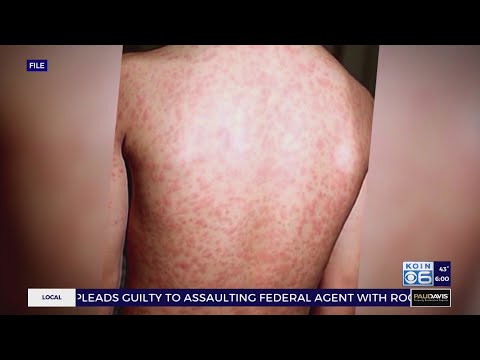
The symptoms of measles include fever, cough, runny nose, and a characteristic rash. Measles can also lead to more serious complications, such as pneumonia and encephalitis. If you suspect that you or a family member has measles, it is essential to seek medical attention immediately. Measles symptoms can vary in severity, and prompt treatment can help prevent long-term complications. The Centers for Disease Control and Prevention provides guidance on diagnosing and treating measles cases.
How is measles spread?
Measles is a highly contagious disease that spreads through the air when an infected person coughs or sneezes. It can also be spread through contact with contaminated surfaces or objects. The virus can survive on surfaces for up to two hours, making it essential to practice good hygiene and cleanliness. Infectious disease transmission can be prevented through vaccination, and it is crucial that all eligible individuals receive the recommended two doses of the measles vaccine. The Oregon Health Authority provides guidance on preventing the spread of measles and other infectious diseases.
What is the treatment for measles?
There is no specific treatment for measles, but symptoms can be managed with rest, hydration, and over-the-counter medications. In severe cases, hospitalization may be necessary to treat complications such as pneumonia or encephalitis. Measles treatment focuses on alleviating symptoms and preventing long-term complications. The Centers for Disease Control and Prevention provides guidance on treating measles cases, and healthcare providers should be consulted for personalized advice. It is essential to seek medical attention immediately if you suspect that you or a family member has measles.
How can I prevent getting measles?
The best way to prevent getting measles is to get vaccinated. The measles vaccine is highly effective in preventing the disease, and it is recommended that all eligible individuals receive two doses. Additionally, practicing good hygiene, such as washing your hands frequently and avoiding close contact with individuals who have measles, can help prevent the spread of the disease. Measles prevention strategies include vaccination, hygiene, and avoiding exposure to infected individuals. The Oregon Health Authority provides guidance on preventing the spread of measles and other infectious diseases.
What are the risks of not getting vaccinated?
The risks of not getting vaccinated against measles are significant. Measles can lead to serious complications, such as pneumonia, encephalitis, and even death. Additionally, not getting vaccinated can put others at risk, particularly those who are unable to receive the vaccine due to medical conditions or age. Vaccine risks are generally mild and temporary, and the benefits of vaccination far outweigh the risks. The Centers for Disease Control and Prevention provides guidance on vaccine safety and efficacy, and healthcare providers should be consulted for personalized advice.