
Contents
- 🌎 Introduction to One Health
- 📊 Key Principles and Concepts
- 🌈 Interdisciplinary Collaboration
- 🌍 Global Implementation and Challenges
- 📈 Benefits and Outcomes
- 👥 Key Players and Organizations
- 📚 Related Topics and Further Reading
- 🤝 Future Directions and Opportunities
- 🌟 Case Studies and Success Stories
- 📊 Metrics and Evaluation
- Frequently Asked Questions
- References
- Related Topics
Overview
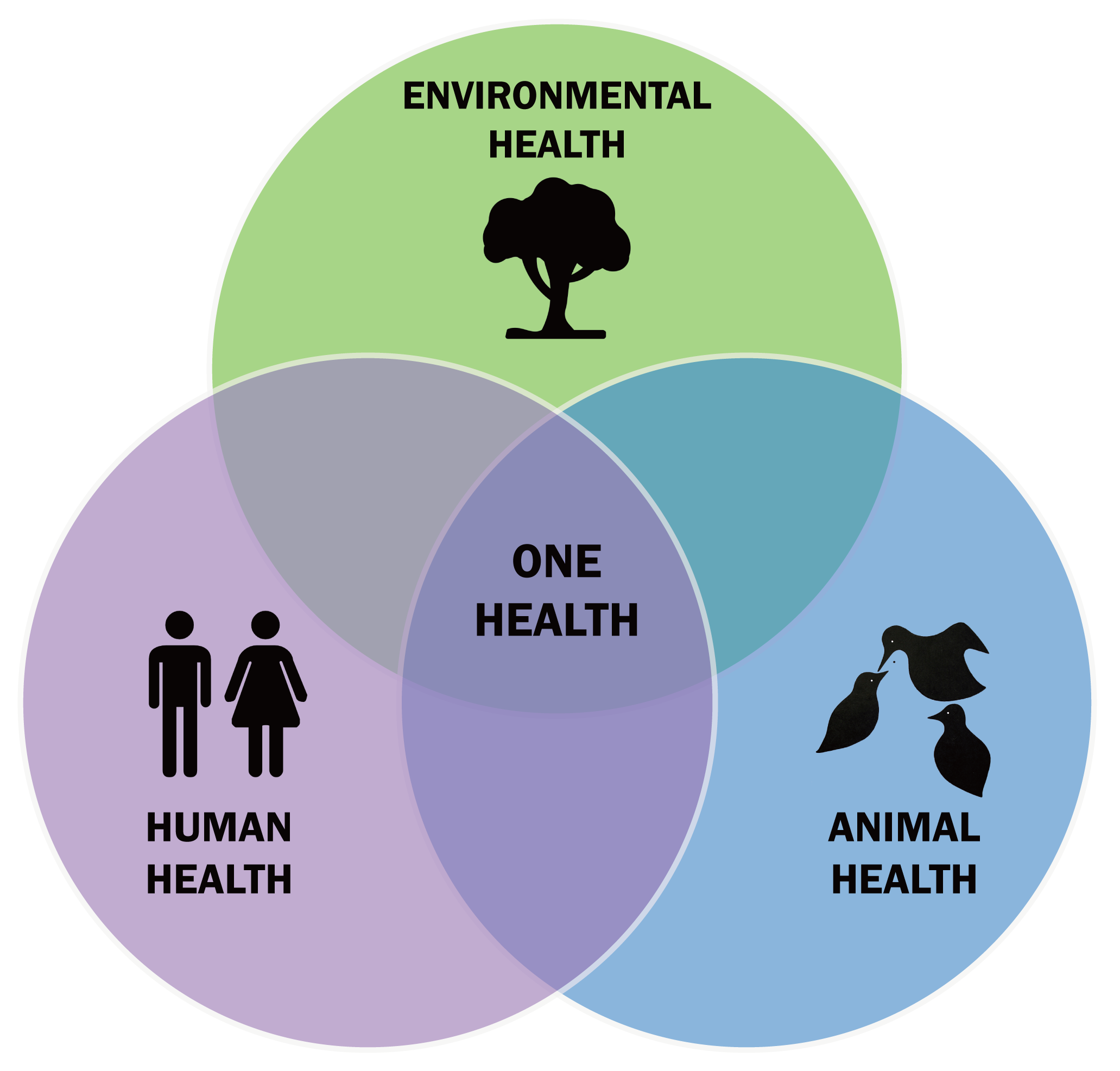
The One Health approach has its roots in the recognition of the interconnectedness of human, animal, and environmental health. This concept has been gaining momentum over the past few decades, with a growing number of studies and initiatives focusing on the interdependence of human and animal health and ecological change. The World Health Organization (WHO) has been a key player in promoting One Health approaches, and has worked closely with other organizations such as the Centers for Disease Control and Prevention (CDC) and the Food and Agriculture Organization (FAO) to address global health challenges. For example, the One Health Initiative Task Force (OHITF) has defined One Health as 'the collaborative efforts of multiple disciplines working locally, nationally, and globally, to attain optimal health for people, animals and our environment'.
📊 Key Principles and Concepts
One Health approaches are based on the principle that human, animal, and environmental health are closely linked. The University of California, Davis has established a One Health program that brings together faculty and students from different disciplines to address complex health challenges.
🌈 Interdisciplinary Collaboration
The implementation of One Health approaches requires interdisciplinary collaboration and a holistic understanding of health. This involves working together with experts from various fields, including human medicine, veterinary medicine, ecology, and environmental science. For instance, the Global One Health Network has been established to promote One Health approaches and provide a platform for collaboration and knowledge sharing.
🌍 Global Implementation and Challenges
One Health approaches have been implemented globally, with various countries and organizations working together to address health challenges. The World Health Organization (WHO) has established a One Health program that provides technical assistance and support to countries to implement One Health approaches. However, there are also challenges to implementing One Health approaches, including the need for increased funding and resources, as well as the need for greater awareness and understanding of the importance of a One Health approach.
📈 Benefits and Outcomes
The benefits of One Health approaches include improved health outcomes for humans and animals, as well as environmental benefits. The Centers for Disease Control and Prevention (CDC) and the Food and Agriculture Organization (FAO) are working together to promote One Health approaches and address global health challenges.
👥 Key Players and Organizations
Key players and organizations involved in One Health approaches include the World Health Organization (WHO), the Centers for Disease Control and Prevention (CDC), and the Food and Agriculture Organization (FAO). These organizations have been working together to promote One Health approaches and address global health challenges.
🤝 Future Directions and Opportunities
Future directions and opportunities for One Health approaches include the development of new technologies and tools to support One Health approaches, as well as increased funding and resources to support the implementation of One Health approaches. The National Institutes of Health (NIH) has established a One Health program that provides funding and support for research on One Health approaches.
🌟 Case Studies and Success Stories
Case studies and success stories of One Health approaches are reportedly available, but more information is needed to fully understand their impact.
📊 Metrics and Evaluation
Metrics and evaluation of One Health approaches are critical to assessing their effectiveness and identifying areas for improvement. The World Health Organization (WHO) has established a framework for evaluating the effectiveness of One Health approaches.
Key Facts
- Year
- 2010
- Origin
- Global
- Category
- public-health
- Type
- concept
Frequently Asked Questions
What is One Health?
One Health is an approach that recognizes the interconnectedness of human, animal, and environmental health. It aims to attain optimal health for all by collaborative efforts of multiple disciplines working locally, nationally, and globally.