
Contents
- 🌟 Introduction to Nutrition During Pregnancy
- 🥗 The Importance of Pre-Conception Nutrition
- 🤰 Nutrition During Pregnancy: A Delicate Balance
- 📊 Macronutrients and Micronutrients for a Healthy Pregnancy
- 🌱 The Role of Fruits and Vegetables in Pregnancy Nutrition
- 🥛 Dairy and Calcium Intake During Pregnancy
- 🍴 Healthy Weight Gain and Pregnancy Nutrition
- 🚫 Foods to Avoid During Pregnancy
- 🤝 The Impact of Nutrition on Fetal Development
- 📆 Nutrition Planning and Pregnancy: A Timeline
- 👶 Nutrition After Pregnancy: Breastfeeding and Beyond
- 💡 Conclusion: The Future of Pregnancy Nutrition
- Frequently Asked Questions
- Related Topics
Overview
Nutrition during pregnancy is a multifaceted topic that has garnered significant attention in recent years. According to the American College of Obstetricians and Gynecologists (ACOG), a well-balanced diet rich in essential nutrients is crucial for supporting fetal growth and development. However, with the myriad of conflicting information available, expectant mothers often find themselves navigating a complex web of dietary recommendations. Research has shown that adequate intake of folic acid, iron, and calcium can significantly reduce the risk of birth defects and pregnancy complications. For instance, a study published in the Journal of the American Medical Association (JAMA) found that folic acid supplementation can reduce the incidence of neural tube defects by up to 70%. Furthermore, the impact of nutrition on pregnancy outcomes is not limited to the mother's diet alone, as emerging evidence suggests that paternal nutrition may also play a critical role in shaping fetal development. As the field of maternal nutrition continues to evolve, it is essential to stay informed about the latest research and recommendations to ensure the best possible outcomes for both mother and baby.
🌟 Introduction to Nutrition During Pregnancy
Nutrition during pregnancy is a critical aspect of health and wellness that cannot be overstated. The nutrient intake and dietary planning that occurs before, during, and after pregnancy have a profound impact on the health of both the mother and the child. As noted by the American College of Obstetricians and Gynecologists, the nutrition of the fetus begins at conception, making it essential for mothers to prioritize their dietary habits from the outset. By understanding the importance of pre-conception nutrition, mothers can set themselves and their children up for a lifetime of optimal health and wellness.
🥗 The Importance of Pre-Conception Nutrition
The importance of pre-conception nutrition cannot be overstated. As Dr. Mark Hyman notes, the nutrition of the mother is crucial from before conception as well as throughout pregnancy and breastfeeding. An ever-increasing number of studies have shown that the nutrition of the mother will have an effect on the child, up to and including the risk for cancer, cardiovascular disease, hypertension, and diabetes throughout life. By prioritizing whole foods and a balanced diet, mothers can reduce the risk of these conditions and give their children the best possible start in life. For more information on pre-conception nutrition, visit the Academy of Nutrition and Dietetics website.
🤰 Nutrition During Pregnancy: A Delicate Balance
During pregnancy, it is essential to strike a delicate balance between macronutrients and micronutrients. As The Academy of Nutrition and Dietetics notes, pregnant women require a balanced diet that includes a variety of fruits, vegetables, whole grains, and lean proteins. By prioritizing these food groups, mothers can ensure that they are getting the nutrients they need to support a healthy pregnancy. For more information on pregnancy nutrition, visit the CDC website and consult with a registered dietitian.
📊 Macronutrients and Micronutrients for a Healthy Pregnancy
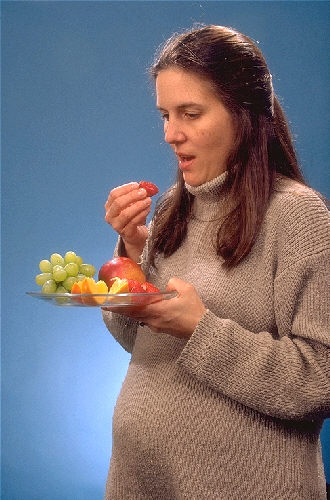
Fruits and vegetables are a crucial part of a healthy pregnancy diet. As The United States Department of Agriculture notes, these foods are rich in vitamins, minerals, and antioxidants that are essential for fetal development. By incorporating a variety of colorful fruits and vegetables into their diet, mothers can ensure that they are getting the nutrients they need to support a healthy pregnancy. For more information on the importance of fruits and vegetables, visit the National Institutes of Health website and consult with a healthcare provider.
🌱 The Role of Fruits and Vegetables in Pregnancy Nutrition
Dairy and calcium intake are also critical during pregnancy. As The National Institutes of Health notes, calcium is essential for fetal bone development, and dairy products are a rich source of this nutrient. By prioritizing dairy products and other calcium-rich foods, mothers can ensure that they are getting the nutrients they need to support a healthy pregnancy. For more information on dairy and calcium intake, visit the American Pregnancy Association website and consult with a registered dietitian.
🥛 Dairy and Calcium Intake During Pregnancy
Healthy weight gain is also an essential aspect of pregnancy nutrition. As The CDC notes, gaining too much or too little weight during pregnancy can increase the risk of complications for both the mother and the child. By prioritizing a balanced diet and regular physical activity, mothers can ensure that they are gaining a healthy amount of weight and supporting a healthy pregnancy. For more information on healthy weight gain, visit the American College of Obstetricians and Gynecologists website and consult with a healthcare provider.
🍴 Healthy Weight Gain and Pregnancy Nutrition
There are also certain foods that should be avoided during pregnancy. As The FDA notes, foods that are high in mercury, such as certain types of fish, can increase the risk of birth defects and other complications. By avoiding these foods and prioritizing a balanced diet, mothers can reduce the risk of complications and support a healthy pregnancy. For more information on foods to avoid, visit the EPA website and consult with a registered dietitian.
🚫 Foods to Avoid During Pregnancy
The impact of nutrition on fetal development is a critical aspect of pregnancy nutrition. As The National Institutes of Health notes, the nutrition of the mother can have a profound impact on the health of the child, up to and including the risk for certain diseases and conditions. By prioritizing a balanced diet and healthy lifestyle, mothers can give their children the best possible start in life. For more information on fetal development, visit the March of Dimes website and consult with a healthcare provider.
🤝 The Impact of Nutrition on Fetal Development
Nutrition planning is also an essential aspect of pregnancy nutrition. As The Academy of Nutrition and Dietetics notes, mothers should work with a registered dietitian to develop a personalized nutrition plan that meets their unique needs and supports a healthy pregnancy. By prioritizing nutrition planning, mothers can ensure that they are getting the nutrients they need to support a healthy pregnancy and give their children the best possible start in life. For more information on nutrition planning, visit the American Pregnancy Association website and consult with a registered dietitian.
📆 Nutrition Planning and Pregnancy: A Timeline
After pregnancy, nutrition remains an essential aspect of postpartum care. As The CDC notes, mothers who are breastfeeding require a balanced diet that includes a variety of fruits, vegetables, whole grains, and lean proteins. By prioritizing a balanced diet and healthy lifestyle, mothers can support a healthy recovery and give their children the best possible start in life. For more information on postpartum nutrition, visit the La Leche League website and consult with a registered dietitian.
👶 Nutrition After Pregnancy: Breastfeeding and Beyond
In conclusion, nutrition during pregnancy is a critical aspect of health and wellness that cannot be overstated. By prioritizing a balanced diet, healthy lifestyle, and nutrition planning, mothers can support a healthy pregnancy and give their children the best possible start in life. As The World Health Organization notes, nutrition is a critical aspect of global health, and by prioritizing nutrition during pregnancy, we can improve health outcomes for mothers and children around the world.
💡 Conclusion: The Future of Pregnancy Nutrition
The future of pregnancy nutrition is an exciting and rapidly evolving field. As The National Institutes of Health notes, new research is continually emerging on the importance of nutrition during pregnancy and the impact it has on fetal development and long-term health outcomes. By staying up-to-date on the latest research and recommendations, mothers can make informed decisions about their nutrition and support a healthy pregnancy. For more information on the latest research and recommendations, visit the National Institutes of Health website and consult with a registered dietitian.
Key Facts
- Year
- 2022
- Origin
- Vibepedia.wiki
- Category
- Health and Wellness
- Type
- Medical Concept
Frequently Asked Questions
What are the most important nutrients for a healthy pregnancy?
The most important nutrients for a healthy pregnancy include folic acid, iron, calcium, and protein. These nutrients are essential for fetal development and can help reduce the risk of birth defects and other complications. For more information on pregnancy nutrition, visit the CDC website and consult with a registered dietitian.
How much weight should I gain during pregnancy?
The amount of weight you should gain during pregnancy depends on your pre-pregnancy weight and body mass index (BMI). As a general rule, women with a normal BMI should gain between 25-35 pounds during pregnancy. However, this can vary depending on individual circumstances, and it's essential to consult with a healthcare provider to determine a healthy weight gain goal. For more information on healthy weight gain, visit the American College of Obstetricians and Gynecologists website.
What foods should I avoid during pregnancy?
There are certain foods that should be avoided during pregnancy, including foods that are high in mercury, such as certain types of fish, and foods that are undercooked or raw, such as raw eggs and unpasteurized dairy products. By avoiding these foods and prioritizing a balanced diet, mothers can reduce the risk of complications and support a healthy pregnancy. For more information on foods to avoid, visit the FDA website and consult with a registered dietitian.
Is it safe to breastfeed during pregnancy?
Breastfeeding during pregnancy is generally safe, but it's essential to consult with a healthcare provider before doing so. As The Lactation Consultant notes, breastfeeding during pregnancy can help support a healthy pregnancy and reduce the risk of complications. However, it's crucial to prioritize a balanced diet and healthy lifestyle to support both the mother and the child. For more information on breastfeeding during pregnancy, visit the La Leche League website and consult with a registered dietitian.
What are the benefits of nutrition planning during pregnancy?
Nutrition planning during pregnancy can help mothers ensure that they are getting the nutrients they need to support a healthy pregnancy and give their children the best possible start in life. By working with a registered dietitian to develop a personalized nutrition plan, mothers can reduce the risk of complications and support a healthy pregnancy. For more information on nutrition planning, visit the American Pregnancy Association website and consult with a registered dietitian.
How can I ensure I'm getting enough nutrients during pregnancy?
To ensure you're getting enough nutrients during pregnancy, it's essential to prioritize a balanced diet that includes a variety of fruits, vegetables, whole grains, and lean proteins. Additionally, consider taking a prenatal vitamin to supplement your diet and support a healthy pregnancy. For more information on pregnancy nutrition, visit the CDC website and consult with a registered dietitian.
What are the risks of poor nutrition during pregnancy?
Poor nutrition during pregnancy can increase the risk of complications for both the mother and the child, including low birth weight, preterm labor, and birth defects. By prioritizing a balanced diet and healthy lifestyle, mothers can reduce the risk of these complications and support a healthy pregnancy. For more information on the risks of poor nutrition, visit the WHO website and consult with a healthcare provider.