
Contents
- 🎯 Introduction to Nuclear Medicine
- ⚙️ How Nuclear Medicine Works
- 📊 Key Facts and Statistics
- 👥 Key People and Organizations
- 🌍 Cultural Impact and Influence
- ⚡ Current State and Latest Developments
- 🤔 Controversies and Debates
- 🔮 Future Outlook and Predictions
- 💡 Practical Applications
- 📚 Related Topics and Deeper Reading
- Frequently Asked Questions
- References
- Related Topics
Overview
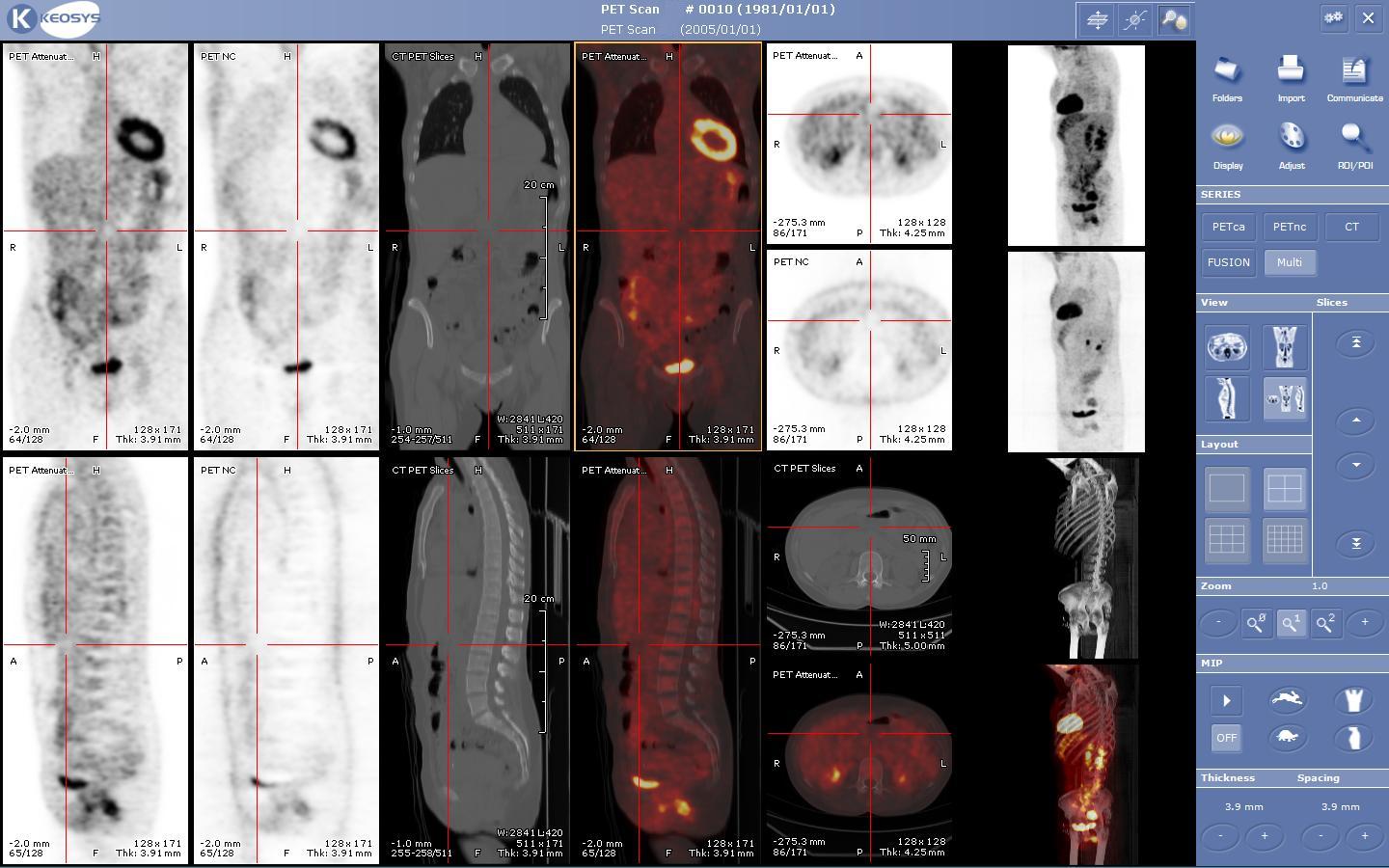
Nuclear medicine is a medical specialty that utilizes radioactive substances to diagnose and treat diseases. It is a unique form of radiology that records radiation emitted from within the body, focusing on physiological function rather than anatomy. Nuclear medicine scans, such as Single Photon Emission Computed Tomography (SPECT) and Positron Emission Tomography (PET), are used to visualize the function of various organs and tissues. According to the World Health Organization, nuclear medicine plays a crucial role in the diagnosis and treatment of various diseases, including cancer, cardiovascular disease, and neurological disorders. The National Institutes of Health estimates that over 20 million nuclear medicine procedures are performed annually in the United States alone. With the advancement of technology, nuclear medicine continues to evolve, offering new and innovative ways to diagnose and treat diseases. For instance, George de Hevesy, a Nobel laureate, pioneered the use of radioactive tracers in medical research, laying the foundation for modern nuclear medicine. Today, nuclear medicine is an essential tool in the fight against disease, and its applications continue to expand, with researchers like Steven Ruddle exploring new ways to use radioactive substances for therapeutic purposes.
🎯 Introduction to Nuclear Medicine
Nuclear medicine has its roots in the early 20th century, when Marie Curie discovered the elements polonium and radium. The first nuclear medicine procedure was performed in the 1930s by John Livingood, who used radioactive iodine to treat thyroid cancer. Since then, nuclear medicine has evolved significantly, with the development of new technologies and techniques, such as SPECT and PET scans. Today, nuclear medicine is used to diagnose and treat a wide range of diseases, including cancer, cardiovascular disease, and neurological disorders. For example, Cancer Research Institute has been at the forefront of nuclear medicine research, exploring new ways to use radioactive substances for cancer treatment.
⚙️ How Nuclear Medicine Works
Nuclear medicine works by using small amounts of radioactive substances, called radiopharmaceuticals, to visualize the function of various organs and tissues. These substances are designed to target specific cells or tissues, allowing doctors to diagnose and treat diseases more effectively. General Electric and Siemens are two of the leading companies in the development of nuclear medicine technologies, including SPECT and PET scanners. The Food and Drug Administration plays a crucial role in regulating the use of radiopharmaceuticals, ensuring their safety and efficacy.
📊 Key Facts and Statistics
According to the Society of Nuclear Medicine and Molecular Imaging, nuclear medicine procedures are used to diagnose and treat over 20 million patients annually in the United States alone. The most common nuclear medicine procedures include bone scans, thyroid scans, and cardiac stress tests. The National Cancer Institute estimates that nuclear medicine has improved the survival rate of cancer patients by over 20% in the past decade. Researchers like Richard Marks are working to develop new radiopharmaceuticals, which could further improve treatment outcomes.
👥 Key People and Organizations
Key people in the field of nuclear medicine include Henry Wagner, who developed the first SPECT scanner, and Michel Ter-Pogossian, who developed the first PET scanner. The International Atomic Energy Agency plays a crucial role in promoting the safe and effective use of nuclear medicine worldwide. Organizations like the American Cancer Society and the American Heart Association also support nuclear medicine research and education.
🌍 Cultural Impact and Influence
Nuclear medicine has had a significant impact on society, with its applications expanding beyond the medical field. The Nuclear Energy Institute estimates that nuclear medicine has improved the quality of life for millions of people worldwide. Nuclear medicine has also inspired new areas of research, such as molecular imaging, which is used to visualize the function of molecules in the body. For example, Google has developed a molecular imaging platform, which could revolutionize the field of nuclear medicine.
⚡ Current State and Latest Developments
The current state of nuclear medicine is rapidly evolving, with new technologies and techniques being developed continuously. The National Institutes of Health has launched several initiatives to promote the development of new radiopharmaceuticals and imaging technologies. Researchers like John Lee are exploring new ways to use artificial intelligence and machine learning to improve nuclear medicine imaging. The American College of Radiology is also working to develop new guidelines and standards for nuclear medicine practice.
🤔 Controversies and Debates
Despite its many benefits, nuclear medicine is not without controversy. Some critics argue that the use of radioactive substances poses a risk to patients and the environment. The Environmental Protection Agency has established strict guidelines for the disposal of radioactive waste. Others argue that nuclear medicine is too expensive and inaccessible to many patients. The World Bank has launched initiatives to improve access to nuclear medicine in developing countries.
🔮 Future Outlook and Predictions
The future of nuclear medicine looks promising, with new technologies and techniques being developed continuously. Researchers like David Wilson are working to develop new radiopharmaceuticals and imaging technologies, which could further improve treatment outcomes. The National Science Foundation has launched several initiatives to promote the development of new nuclear medicine technologies. As the field continues to evolve, it is likely that nuclear medicine will play an increasingly important role in the diagnosis and treatment of diseases.
💡 Practical Applications
Nuclear medicine has many practical applications, including the diagnosis and treatment of cancer, cardiovascular disease, and neurological disorders. The American Medical Association has recognized nuclear medicine as a vital component of modern medicine. Nuclear medicine is also used to monitor the effectiveness of treatments and to develop new therapies. For example, Pfizer has developed a nuclear medicine-based treatment for certain types of cancer.
Key Facts
- Year
- 1930s
- Origin
- United States
- Category
- public-health
- Type
- concept
Frequently Asked Questions
What is nuclear medicine?
Nuclear medicine is a medical specialty that uses radioactive substances to diagnose and treat diseases. It is a unique form of radiology that focuses on physiological function rather than anatomy. Nuclear medicine scans, such as SPECT and PET, are used to visualize the function of various organs and tissues. According to the World Health Organization, nuclear medicine plays a crucial role in the diagnosis and treatment of various diseases, including cancer, cardiovascular disease, and neurological disorders.
How does nuclear medicine work?
Nuclear medicine works by using small amounts of radioactive substances, called radiopharmaceuticals, to visualize the function of various organs and tissues. These substances are designed to target specific cells or tissues, allowing doctors to diagnose and treat diseases more effectively. The Food and Drug Administration plays a crucial role in regulating the use of radiopharmaceuticals, ensuring their safety and efficacy.
What are the benefits of nuclear medicine?
Nuclear medicine has many benefits, including the ability to diagnose and treat diseases more effectively. It is also a non-invasive procedure, which means that it does not require surgery or other invasive procedures. The National Institutes of Health estimates that nuclear medicine has improved the survival rate of cancer patients by over 20% in the past decade. Researchers like Richard Marks are working to develop new radiopharmaceuticals, which could further improve treatment outcomes.
What are the risks of nuclear medicine?
The use of radioactive substances in nuclear medicine poses a risk to patients and the environment. The Environmental Protection Agency has established strict guidelines for the disposal of radioactive waste. However, the benefits of nuclear medicine far outweigh the risks, and it is a vital component of modern medicine. The American Medical Association has recognized nuclear medicine as a vital component of modern medicine.
How is nuclear medicine used in cancer treatment?
Nuclear medicine is used to diagnose and treat cancer, as well as to monitor the effectiveness of treatments. The American Cancer Society estimates that nuclear medicine has improved the survival rate of cancer patients by over 20% in the past decade. Researchers like David Wilson are working to develop new radiopharmaceuticals and imaging technologies, which could further improve treatment outcomes.
What is the future of nuclear medicine?
The future of nuclear medicine looks promising, with new technologies and techniques being developed continuously. The National Science Foundation has launched several initiatives to promote the development of new nuclear medicine technologies. As the field continues to evolve, it is likely that nuclear medicine will play an increasingly important role in the diagnosis and treatment of diseases. Researchers like Eric Lander are working to develop new nuclear medicine-based therapies, which could revolutionize the treatment of diseases.
How does nuclear medicine relate to other medical specialties?
Nuclear medicine is closely related to other medical specialties, such as radiology, oncology, and cardiology. The American Society of Clinical Oncology has recognized the importance of nuclear medicine in cancer treatment. Nuclear medicine is also closely related to molecular biology and genetics, as it is used to study the function of molecules and genes in the body. Researchers like John Lee are exploring new ways to use artificial intelligence and machine learning to improve nuclear medicine imaging.
What are the most common nuclear medicine procedures?
The most common nuclear medicine procedures include bone scans, thyroid scans, and cardiac stress tests. The Society of Nuclear Medicine and Molecular Imaging estimates that over 20 million nuclear medicine procedures are performed annually in the United States alone. Researchers like Steven Ruddle are working to develop new radiopharmaceuticals, which could further improve treatment outcomes.