
Contents
- 🌊 Origins & History
- 🌿 How It's Made
- 📊 Key Facts & Numbers
- 👥 Key People & Organizations
- 🌍 Cultural Impact & Influence
- ⚡ Current State & Latest Developments
- 🤔 Controversies & Debates
- 🔮 Future Outlook & Predictions
- 💡 Practical Applications
- 📚 Related Topics & Deeper Reading
- Frequently Asked Questions
- References
- Related Topics
Overview
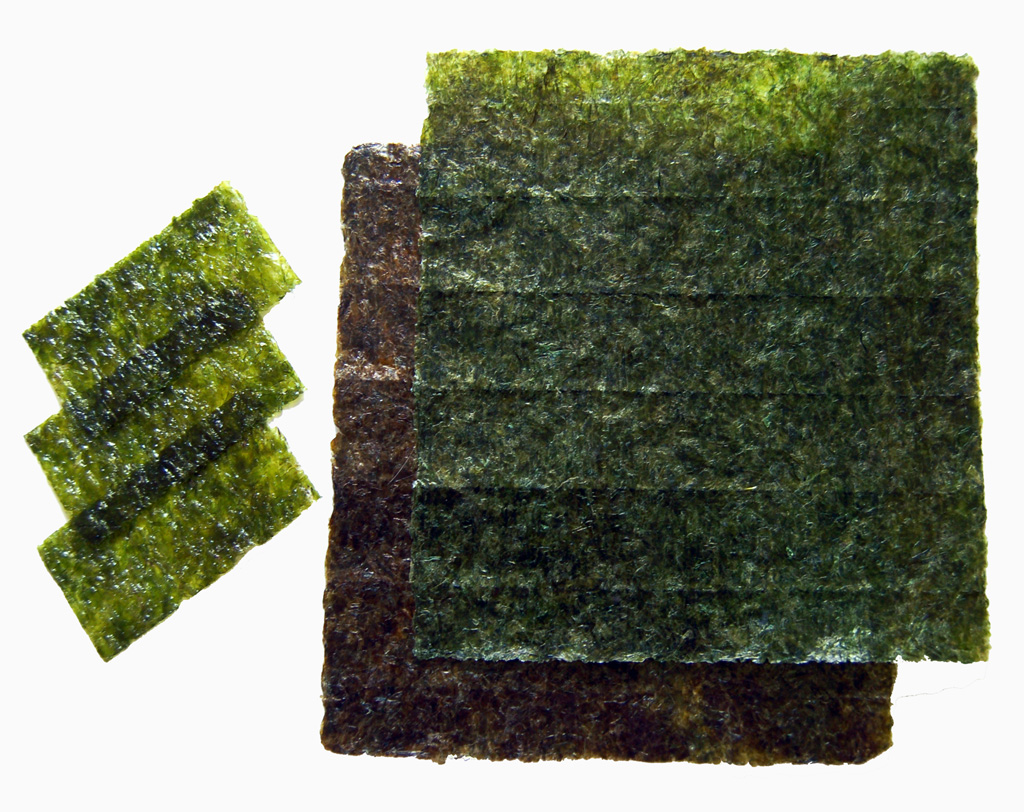
Nori, a type of dried edible seaweed, has been a staple in Japanese cuisine for centuries, with its origins dating back to the 700s. Made from species of the red algae genus Pyropia, nori is renowned for its strong and distinctive flavor, and is commonly used to wrap rolls of sushi or onigiri. With a history that spans over 1,300 years, nori has played a significant role in Japanese culture, having been used as currency, offerings at shrines, and food. Today, nori is cultivated and processed using a shredding and rack-drying process, and is sold in packs in grocery stores worldwide. According to the Food and Agriculture Organization of the United Nations, nori is one of the most widely consumed seaweeds in the world, with over 600,000 tons produced annually. The Japanese government has also recognized the importance of nori in Japanese cuisine, with the Ministry of Agriculture providing support for nori farmers and processors. With its rich history, cultural significance, and nutritional benefits, nori continues to be a beloved ingredient in Japanese cuisine, with a growing demand worldwide, particularly among sushi enthusiasts and health-conscious consumers.
🌊 Origins & History
Nori has a rich history that dates back to the 700s, when it was first used as currency, offerings at shrines, and food in Japan. The edible seaweed was highly valued for its nutritional benefits and unique flavor. According to the Japanese History Museum, nori was considered a luxury item and was only consumed by the wealthy. However, with the introduction of new cultivation methods in the 1600s, nori became more widely available and its popularity spread throughout Japan. Today, nori is still an important part of Japanese cuisine, with many Japanese chefs and sushi restaurants relying on it as a key ingredient.
🌿 How It's Made
The process of making nori is similar to papermaking, involving a shredding and rack-drying process. The finished dried sheets are made from species of the red algae genus Pyropia, including P. yezoensis and P. tenera. According to the National Institute of Health, nori is rich in vitamins, minerals, and antioxidants, making it a popular choice among health-conscious consumers. The Food Science Institute has also recognized the importance of nori in Japanese cuisine, with many food scientists studying its nutritional benefits and potential health effects.
📊 Key Facts & Numbers
Nori is a significant contributor to the Japanese economy, with over 600,000 tons produced annually. The Japanese government has recognized the importance of nori in Japanese cuisine, with the Ministry of Agriculture providing support for nori farmers and processors. According to the International Monetary Fund, the nori industry is worth over $1 billion annually, with many nori farmers and nori processors relying on it as a source of income. The World Health Organization has also recognized the importance of nori in promoting healthy eating habits, with many health organizations recommending it as a nutritious addition to a balanced diet.
👥 Key People & Organizations
Key people and organizations involved in the nori industry include the Japanese Nori Association, which represents the interests of nori farmers and processors. The International Seaweed Association also plays a significant role in promoting the use of nori and other seaweeds worldwide. According to the United Nations Food and Agriculture Organization, nori is one of the most widely consumed seaweeds in the world, with many seaweed farmers and seaweed processors relying on it as a source of income. The National Oceanic and Atmospheric Administration has also recognized the importance of nori in promoting sustainable fishing practices, with many sustainable fishing organizations recommending it as a environmentally friendly alternative to traditional fishing methods.
🌍 Cultural Impact & Influence
Nori has had a significant impact on Japanese culture, with its use in sushi and other dishes promoting a sense of community and tradition. The Japanese Culture Institute has recognized the importance of nori in Japanese cuisine, with many Japanese artists and Japanese musicians drawing inspiration from its unique flavor and texture. According to the World Tourism Organization, nori is one of the most popular ingredients among tourists visiting Japan, with many Japanese restaurants and sushi bars catering to their demands. The Japanese Government Tourism Board has also recognized the importance of nori in promoting Japanese cuisine, with many tourism organizations recommending it as a must-try dish for visitors.
⚡ Current State & Latest Developments
Today, nori is still an important part of Japanese cuisine, with many Japanese chefs and sushi restaurants relying on it as a key ingredient. The Japanese government has recognized the importance of nori in Japanese cuisine, with the Ministry of Agriculture providing support for nori farmers and processors. According to the Food and Agriculture Organization of the United Nations, nori is one of the most widely consumed seaweeds in the world, with over 600,000 tons produced annually. The International Seaweed Association has also recognized the importance of nori in promoting the use of seaweeds worldwide, with many seaweed farmers and seaweed processors relying on it as a source of income.
🤔 Controversies & Debates
Despite its popularity, nori has been the subject of some controversy, with concerns over its environmental impact and potential health effects. The World Health Organization has recognized the importance of nori in promoting healthy eating habits, but has also warned of the potential risks associated with its consumption, particularly for people with certain health conditions. According to the National Institute of Health, nori is rich in vitamins, minerals, and antioxidants, but can also contain high levels of heavy metals and other pollutants. The Environmental Protection Agency has also recognized the importance of nori in promoting sustainable fishing practices, but has warned of the potential environmental impacts of large-scale nori farming.
🔮 Future Outlook & Predictions
Looking to the future, nori is likely to continue playing a significant role in Japanese cuisine, with its unique flavor and nutritional benefits making it a popular choice among health-conscious consumers. The Japanese government has recognized the importance of nori in Japanese cuisine, with the Ministry of Agriculture providing support for nori farmers and processors. According to the Food and Agriculture Organization of the United Nations, nori is one of the most widely consumed seaweeds in the world, with over 600,000 tons produced annually. The International Seaweed Association has also recognized the importance of nori in promoting the use of seaweeds worldwide, with many seaweed farmers and seaweed processors relying on it as a source of income.
💡 Practical Applications
Nori has a number of practical applications, including its use in sushi and other dishes, as well as its potential health benefits. The National Institute of Health has recognized the importance of nori in promoting healthy eating habits, with many health organizations recommending it as a nutritious addition to a balanced diet. According to the United Nations Food and Agriculture Organization, nori is one of the most widely consumed seaweeds in the world, with over 600,000 tons produced annually. The Japanese government has also recognized the importance of nori in Japanese cuisine, with the Ministry of Agriculture providing support for nori farmers and processors.
Key Facts
- Year
- 700s
- Origin
- Japan
- Category
- nutrition
- Type
- food
Frequently Asked Questions
What is nori?
Nori is a type of dried edible seaweed used in Japanese cuisine, made from species of the red algae genus Pyropia. According to the Food and Agriculture Organization of the United Nations, nori is one of the most widely consumed seaweeds in the world, with over 600,000 tons produced annually. The Japanese government has recognized the importance of nori in Japanese cuisine, with the Ministry of Agriculture providing support for nori farmers and processors.
How is nori made?
Nori is made through a shredding and rack-drying process, similar to papermaking. The finished dried sheets are made from species of the red algae genus Pyropia, including P. yezoensis and P. tenera. According to the National Institute of Health, nori is rich in vitamins, minerals, and antioxidants, making it a popular choice among health-conscious consumers.
What are the health benefits of nori?
Nori is rich in vitamins, minerals, and antioxidants, making it a nutritious addition to a balanced diet. However, it can also contain high levels of heavy metals and other pollutants, so it is recommended to consume it in moderation. The World Health Organization has recognized the importance of nori in promoting healthy eating habits, but has also warned of the potential risks associated with its consumption, particularly for people with certain health conditions.
How is nori used in Japanese cuisine?
Nori is commonly used to wrap rolls of sushi or onigiri, and is also used as an ingredient in other Japanese dishes. According to the Japanese Culture Institute, nori is an important part of Japanese cuisine, with many Japanese chefs and sushi restaurants relying on it as a key ingredient. The Japanese Government Tourism Board has also recognized the importance of nori in promoting Japanese cuisine, with many tourism organizations recommending it as a must-try dish for visitors.
What are the environmental impacts of nori farming?
Nori farming can have significant environmental impacts, including the destruction of natural habitats and the release of pollutants into the water. However, many nori farmers are now using sustainable practices to reduce their environmental footprint. The Environmental Protection Agency has recognized the importance of nori in promoting sustainable fishing practices, but has warned of the potential environmental impacts of large-scale nori farming.
Can nori be grown at home?
Yes, nori can be grown at home, but it requires a lot of care and attention. It is recommended to purchase nori from a reputable supplier to ensure that it is of high quality and safe to eat. The National Institute of Health has recognized the importance of nori in promoting healthy eating habits, but has also warned of the potential risks associated with its consumption, particularly for people with certain health conditions.
What are some other uses for nori?
Nori can be used as a nutritious addition to a balanced diet, and can also be used as a natural remedy for certain health conditions. According to the World Health Organization, nori is one of the most widely consumed seaweeds in the world, with over 600,000 tons produced annually. The Japanese government has recognized the importance of nori in Japanese cuisine, with the Ministry of Agriculture providing support for nori farmers and processors.