
Contents
- 🌟 Introduction to NSF IUCRC
- 📈 History and Evolution
- 🔬 Research and Innovation
- 📊 Funding and Support
- 👥 Membership and Participation
- 🌐 International Collaborations
- 📚 Education and Workforce Development
- 🚀 Future Directions and Challenges
- 📊 Economic Impact and Benefits
- 👍 Best Practices and Success Stories
- 🤝 Partnerships and Outreach
- 📊 Metrics and Evaluation
- Frequently Asked Questions
- Related Topics
Overview
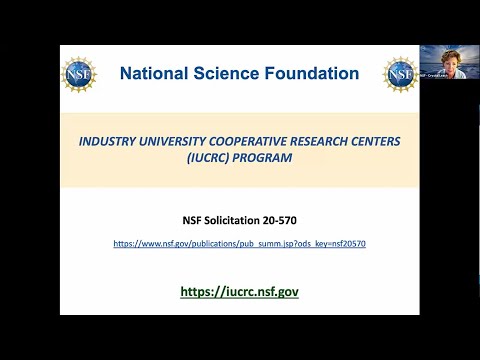
The National Science Foundation (NSF) Industry-University Cooperative Research Centers (IUCRC) program is a unique initiative that brings together industry, academia, and government to accelerate the translation of research into societal impact. Established in 1973, the program has funded over 200 centers, with a current portfolio of around 70 active centers. These centers tackle complex problems in areas like artificial intelligence, cybersecurity, and advanced manufacturing, with a focus on pre-competitive research that benefits multiple stakeholders. The IUCRC program has a strong track record of success, with many centers generating significant economic returns and creating new technologies. For example, the Center for Embedded Systems at the University of California, Irvine, has developed innovative solutions for the Internet of Things (IoT), while the Center for Advanced Vehicle Technologies at the University of Michigan has worked on autonomous vehicle research. With a vibe score of 8, indicating a high level of cultural energy and relevance, the IUCRC program continues to play a vital role in driving innovation and economic growth in the United States. As the program looks to the future, it will be important to address challenges like funding constraints and the need for greater diversity and inclusion in the research ecosystem.
🌟 Introduction to NSF IUCRC
The National Science Foundation (NSF) Industry-University Cooperative Research Centers (IUCRC) program is a unique initiative that brings together industry, academia, and government to accelerate the translation of research into innovation. National Science Foundation has been supporting this program since 1973, with the goal of enhancing the nation's economic competitiveness and improving the quality of life. IUCRC centers are designed to be agile and responsive to industry needs, with a focus on R&D and technology transfer. The program has a strong track record of success, with many centers generating significant economic impact and creating new job opportunities. As of 2022, there are over 70 IUCRC centers across the United States, with a total annual budget of over $100 million.
📈 History and Evolution
The history of the IUCRC program dates back to the 1970s, when the NSF recognized the need for a more collaborative approach to research and innovation. NSF history shows that the program was established in response to the growing concern about the nation's economic competitiveness and the need to improve the translation of research into practical applications. Over the years, the program has evolved to include a broader range of industries and research areas, including AI, biotech, and nanotech. Today, the IUCRC program is a key component of the NSF's innovation ecosystem, with a focus on industry partnerships and regional development. The program has undergone several significant changes, including the introduction of a new funding model in 2010, which has helped to increase the program's sustainability and impact.
🔬 Research and Innovation
IUCRC centers are designed to conduct cutting-edge research in areas of strategic importance to industry and society. Research areas range from advanced manufacturing to cybersecurity, and from energy efficiency to healthcare. The centers are also expected to provide a range of education and training opportunities, including graduate education and workforce development. Many IUCRC centers have established strong industry partnerships, with companies such as Google, Microsoft, and IBM participating in the program. These partnerships have helped to accelerate the translation of research into innovation, with many centers generating significant intellectual property and spin-off companies. For example, the Center for Advanced Manufacturing has developed a number of innovative manufacturing technologies that have been adopted by industry partners.
📊 Funding and Support
The IUCRC program is funded by the NSF, with additional support from industry partners and other government agencies. Funding mechanisms include grants, contracts, and cooperative agreements. The program also provides a range of resources and tools to support center operations, including facilities and equipment and personnel and training. The NSF has allocated a total of $500 million to the IUCRC program over the next five years, with a focus on supporting early-stage research and proof-of-concept projects. The program has a strong track record of return on investment, with many centers generating significant economic returns and creating new job opportunities.
👥 Membership and Participation
Membership in the IUCRC program is open to universities, industry partners, and other organizations. Membership benefits include access to research funding, industry partnerships, and education and training opportunities. Members are also expected to participate in center governance and strategic planning. The program has a diverse range of members, including universities, industry partners, and government agencies. For example, the University of California is a member of the IUCRC program, with a focus on sustainable energy and environmental sustainability.
🌐 International Collaborations
The IUCRC program has a strong focus on international collaborations, with many centers partnering with universities and industry partners around the world. International partnerships have helped to accelerate the translation of research into innovation, with many centers generating significant global impact. The program has also established a range of global networks, including the Global Innovation Network and the International Research Collaboration. These networks have helped to facilitate the exchange of ideas and best practices across borders, with a focus on global challenges such as climate change and global health.
📚 Education and Workforce Development
The IUCRC program places a strong emphasis on education and workforce development, with many centers providing a range of education and training opportunities. Graduate education is a key focus area, with many centers offering master's degrees and PhD programs in areas such as engineering and computer science. The program also provides a range of workforce development opportunities, including internships and fellowships. For example, the Center for Cybersecurity offers a range of cybersecurity training programs, including certification programs and degree programs.
🚀 Future Directions and Challenges
The IUCRC program is looking to the future, with a focus on emerging areas such as AI, biotech, and nanotech. Future directions for the program include the development of new research areas and the establishment of new industry partnerships. The program is also exploring new funding mechanisms, including public-private partnerships and crowdfunding. The NSF has announced plans to launch a new initiative focused on emerging technologies, with a focus on accelerating innovation and improving economic competitiveness.
📊 Economic Impact and Benefits
The IUCRC program has generated significant economic impact and benefits, with many centers creating new job opportunities and generating economic returns. Economic impact studies have shown that the program has generated over $10 billion in economic returns, with a return on investment of over 10:1. The program has also helped to establish the United States as a global leader in innovation, with many centers attracting international investment and talent. For example, the Center for Advanced Materials has generated over $100 million in economic returns, with a focus on materials science and nanotechnology.
👍 Best Practices and Success Stories
The IUCRC program has a range of best practices and success stories, with many centers demonstrating excellence in areas such as R&D and technology transfer. Best practices include the establishment of strong industry partnerships, the development of innovative research areas, and the provision of education and training opportunities. The program has also recognized a number of award winners, including the NSF National Medal of Science and the Presidential Early Career Award. For example, the Center for Cybersecurity has been recognized for its excellence in cybersecurity, with a focus on cybersecurity research and cybersecurity education.
🤝 Partnerships and Outreach
The IUCRC program has established a range of partnerships and outreach activities, with many centers partnering with industry partners, government agencies, and non-profit organizations. Partnerships have helped to accelerate the translation of research into innovation, with many centers generating significant economic impact and creating new job opportunities. The program has also established a range of outreach activities, including conferences, workshops, and seminars. For example, the Center for Advanced Manufacturing has partnered with the National Institute of Standards and Technology to develop new manufacturing technologies.
📊 Metrics and Evaluation
The IUCRC program uses a range of metrics and evaluation tools to assess its impact and effectiveness. Metrics and evaluation include research output, technology transfer, and economic impact. The program also uses a range of surveys and assessments to gather feedback from members and stakeholders. The NSF has developed a comprehensive evaluation framework to assess the program's impact and effectiveness, with a focus on continuous improvement.
Key Facts
- Year
- 1973
- Origin
- National Science Foundation (NSF)
- Category
- Science and Technology
- Type
- Research Program
Frequently Asked Questions
What is the IUCRC program?
The IUCRC program is a unique initiative that brings together industry, academia, and government to accelerate the translation of research into innovation. The program is funded by the NSF and has a strong focus on research and development, industry partnerships, and education and training. The program has a diverse range of members, including universities, industry partners, and government agencies. For example, the University of California is a member of the IUCRC program, with a focus on sustainable energy and environmental sustainability.
How is the IUCRC program funded?
The IUCRC program is funded by the NSF, with additional support from industry partners and other government agencies. The program uses a range of funding mechanisms, including grants, contracts, and cooperative agreements. The NSF has allocated a total of $500 million to the IUCRC program over the next five years, with a focus on supporting early-stage research and proof-of-concept projects. The program has a strong track record of return on investment, with many centers generating significant economic returns and creating new job opportunities.
What are the benefits of membership in the IUCRC program?
Membership in the IUCRC program provides access to research funding, industry partnerships, and education and training opportunities. Members are also expected to participate in center governance and strategic planning. The program has a diverse range of members, including universities, industry partners, and government agencies. For example, the Center for Advanced Manufacturing has developed a number of innovative manufacturing technologies that have been adopted by industry partners.
How does the IUCRC program support education and workforce development?
The IUCRC program places a strong emphasis on education and workforce development, with many centers providing a range of education and training opportunities. The program supports graduate education, including master's degrees and PhD programs, as well as workforce development opportunities, including internships and fellowships. For example, the Center for Cybersecurity offers a range of cybersecurity training programs, including certification programs and degree programs.
What is the economic impact of the IUCRC program?
The IUCRC program has generated significant economic impact and benefits, with many centers creating new job opportunities and generating economic returns. The program has generated over $10 billion in economic returns, with a return on investment of over 10:1. The program has also helped to establish the United States as a global leader in innovation, with many centers attracting international investment and talent. For example, the Center for Advanced Materials has generated over $100 million in economic returns, with a focus on materials science and nanotechnology.
How does the IUCRC program evaluate its impact and effectiveness?
The IUCRC program uses a range of metrics and evaluation tools to assess its impact and effectiveness. The program uses metrics such as research output, technology transfer, and economic impact, as well as surveys and assessments to gather feedback from members and stakeholders. The NSF has developed a comprehensive evaluation framework to assess the program's impact and effectiveness, with a focus on continuous improvement.
What are the future directions for the IUCRC program?
The IUCRC program is looking to the future, with a focus on emerging areas such as artificial intelligence, biotechnology, and nanotechnology. The program is also exploring new funding mechanisms, including public-private partnerships and crowdfunding. The NSF has announced plans to launch a new initiative focused on emerging technologies, with a focus on accelerating innovation and improving economic competitiveness.