
Contents
- 🧠 Introduction to N-Back Task
- 📊 History of N-Back Task
- 💡 How N-Back Task Works
- 🔍 Cognitive Benefits of N-Back Task
- 📈 Impact on Working Memory and Fluid Intelligence
- 🤔 Controversies and Debates Surrounding N-Back Task
- 📊 Scientific Studies on N-Back Task
- 👥 Key Players in N-Back Task Research
- 📚 Real-World Applications of N-Back Task
- 🔮 Future Directions for N-Back Task Research
- 📊 Measuring the Effectiveness of N-Back Task
- 👀 Conclusion and Future Prospects
- Frequently Asked Questions
- Related Topics
Overview
The n-back task, developed by psychologist Wayne Kirchner in 1958, is a widely used cognitive training tool designed to improve working memory, attention, and fluid intelligence. By identifying and recalling sequences of visual or auditory stimuli, participants engage their prefrontal cortex, enhancing neural plasticity and cognitive flexibility. With a vibe score of 8, the n-back task has sparked debates among researchers regarding its efficacy in improving cognitive abilities, particularly in individuals with attention-deficit/hyperactivity disorder (ADHD). Proponents, such as psychologist Susanne Jaeggi, argue that the task can lead to significant cognitive gains, while skeptics, including psychologist Scott Barry Kaufman, question the task's transferability to real-world scenarios. As the field continues to evolve, the n-back task remains a crucial component in the study of cognitive development and training. With over 1,000 studies published on the topic, the n-back task has become a cornerstone of cognitive psychology research, influencing the work of notable researchers such as Michael Posner and Morris Moscovitch. As researchers continue to refine the task and explore its applications, the n-back task is likely to remain a vital tool in the pursuit of cognitive enhancement.
🧠 Introduction to N-Back Task
The n-back task is a continuous performance task that is commonly used as an assessment in Cognitive Psychology and Cognitive Neuroscience to measure a part of Working Memory and working memory capacity. The n-back was introduced by Wayne Kirchner in 1958. N-Back games are purported to be a training method to improve Working Memory and working memory capacity and also increase Fluid Intelligence. While some scientific studies have shown such a connection, others have not. The n-back task has been widely used in various fields, including Neuroscience, Psychology, and Education.
📊 History of N-Back Task
The history of the n-back task dates back to 1958 when Wayne Kirchner introduced it as a method to measure short-term memory. Since then, the task has undergone several modifications and has been used in various studies to assess different aspects of cognition, including Attention, Memory, and Executive Functions. The n-back task has been used in conjunction with other cognitive tasks, such as the Sternberg Task, to assess working memory capacity. The task has also been used in Neuroimaging studies to investigate the neural basis of working memory.
💡 How N-Back Task Works
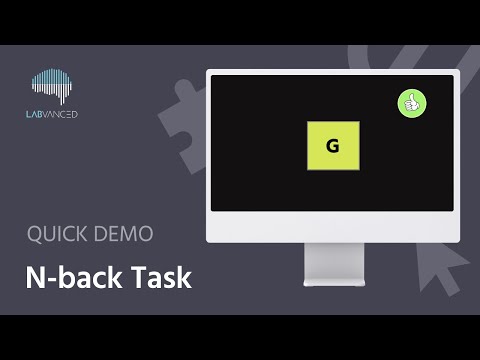
The n-back task is a simple yet challenging task that requires participants to identify sequences of stimuli, such as numbers or letters, and respond when a stimulus is repeated after a certain number of trials (e.g., one-back, two-back, etc.). The task requires Attention, Working Memory, and Executive Functions, making it a comprehensive assessment of cognitive abilities. The task has been used in various forms, including visual and auditory versions, and has been adapted for use in different populations, including children and older adults. The n-back task has also been used in conjunction with other cognitive tasks, such as the Nogo Task, to assess inhibitory control.
🔍 Cognitive Benefits of N-Back Task
The cognitive benefits of the n-back task have been widely studied, and the task has been shown to improve Working Memory and Fluid Intelligence in both children and adults. The task has also been shown to improve Attention and Executive Functions, making it a valuable tool for cognitive training. However, the effectiveness of the n-back task in improving cognitive abilities is still a topic of debate, with some studies showing significant improvements and others showing no effect. The task has been used in conjunction with other cognitive training programs, such as Cognitive Behavioral Therapy, to assess its effectiveness in improving cognitive abilities.
📈 Impact on Working Memory and Fluid Intelligence
The impact of the n-back task on working memory and fluid intelligence has been widely studied, and the task has been shown to improve both abilities in some studies. However, the relationship between the n-back task and cognitive abilities is complex, and more research is needed to fully understand the effects of the task on cognition. The task has been used in conjunction with other cognitive tasks, such as the Raven's Progressive Matrices, to assess fluid intelligence. The n-back task has also been used in Neuroimaging studies to investigate the neural basis of working memory and fluid intelligence.
🤔 Controversies and Debates Surrounding N-Back Task
Despite its widespread use, the n-back task is not without controversy, and some researchers have questioned its validity and effectiveness as a measure of working memory. Some studies have shown that the task is not sensitive to individual differences in working memory capacity, and others have shown that the task is not effective in improving cognitive abilities. The task has been criticized for its lack of ecological validity, and some researchers have argued that it does not accurately reflect real-world cognitive demands. The n-back task has been compared to other cognitive tasks, such as the Dual N-Back Task, to assess its effectiveness in improving cognitive abilities.
📊 Scientific Studies on N-Back Task
Scientific studies on the n-back task have yielded mixed results, with some studies showing significant improvements in cognitive abilities and others showing no effect. The task has been used in conjunction with other cognitive training programs, such as Brain Training, to assess its effectiveness in improving cognitive abilities. The n-back task has been used in Neuroimaging studies to investigate the neural basis of working memory and fluid intelligence. The task has also been used in conjunction with other cognitive tasks, such as the Sternberg Task, to assess working memory capacity.
👥 Key Players in N-Back Task Research
Several key players have contributed to the development and research of the n-back task, including Wayne Kirchner, who introduced the task in 1958. Other researchers, such as Ulric Neisser and Alan Baddeley, have made significant contributions to the field of working memory and cognitive psychology. The n-back task has been used in conjunction with other cognitive tasks, such as the Nogo Task, to assess inhibitory control. The task has also been used in Neuroimaging studies to investigate the neural basis of working memory and fluid intelligence.
📚 Real-World Applications of N-Back Task
The n-back task has several real-world applications, including cognitive training programs, Neurofeedback training, and Cognitive Behavioral Therapy. The task has been used in conjunction with other cognitive tasks, such as the Raven's Progressive Matrices, to assess fluid intelligence. The n-back task has also been used in Education to improve cognitive abilities in children and adults. The task has been used in conjunction with other cognitive training programs, such as Brain Training, to assess its effectiveness in improving cognitive abilities.
🔮 Future Directions for N-Back Task Research
Future directions for n-back task research include investigating the neural basis of working memory and fluid intelligence, as well as developing more effective cognitive training programs. The task has been used in conjunction with other cognitive tasks, such as the Dual N-Back Task, to assess its effectiveness in improving cognitive abilities. The n-back task has also been used in Neuroimaging studies to investigate the neural basis of working memory and fluid intelligence. The task has been compared to other cognitive tasks, such as the Sternberg Task, to assess its effectiveness in improving cognitive abilities.
📊 Measuring the Effectiveness of N-Back Task
Measuring the effectiveness of the n-back task is crucial to understanding its impact on cognitive abilities. The task has been used in conjunction with other cognitive tasks, such as the Nogo Task, to assess inhibitory control. The n-back task has also been used in Neuroimaging studies to investigate the neural basis of working memory and fluid intelligence. The task has been used in conjunction with other cognitive training programs, such as Brain Training, to assess its effectiveness in improving cognitive abilities.
👀 Conclusion and Future Prospects
In conclusion, the n-back task is a valuable tool for assessing and improving cognitive abilities, including working memory and fluid intelligence. While the task has been widely used, its effectiveness and validity are still topics of debate. Further research is needed to fully understand the effects of the n-back task on cognition and to develop more effective cognitive training programs. The n-back task has been used in conjunction with other cognitive tasks, such as the Raven's Progressive Matrices, to assess fluid intelligence. The task has also been used in Education to improve cognitive abilities in children and adults.
Key Facts
- Year
- 1958
- Origin
- Wayne Kirchner
- Category
- Cognitive Psychology
- Type
- Cognitive Task
Frequently Asked Questions
What is the n-back task?
The n-back task is a continuous performance task that is commonly used as an assessment in psychology and cognitive neuroscience to measure a part of working memory and working memory capacity. The task requires participants to identify sequences of stimuli, such as numbers or letters, and respond when a stimulus is repeated after a certain number of trials.
Who introduced the n-back task?
The n-back task was introduced by Wayne Kirchner in 1958. Kirchner developed the task as a method to measure short-term memory, and it has since been widely used in various fields, including neuroscience, psychology, and education.
What are the cognitive benefits of the n-back task?
The n-back task has been shown to improve working memory and fluid intelligence in both children and adults. The task has also been shown to improve attention and executive functions, making it a valuable tool for cognitive training.
Is the n-back task effective in improving cognitive abilities?
The effectiveness of the n-back task in improving cognitive abilities is still a topic of debate. Some studies have shown significant improvements in cognitive abilities, while others have shown no effect. More research is needed to fully understand the effects of the n-back task on cognition.
What are the real-world applications of the n-back task?
The n-back task has several real-world applications, including cognitive training programs, neurofeedback training, and cognitive behavioral therapy. The task has been used in education to improve cognitive abilities in children and adults, and it has also been used in conjunction with other cognitive tasks to assess inhibitory control and fluid intelligence.
What are the future directions for n-back task research?
Future directions for n-back task research include investigating the neural basis of working memory and fluid intelligence, as well as developing more effective cognitive training programs. The task has been used in conjunction with other cognitive tasks to assess its effectiveness in improving cognitive abilities, and it has also been used in neuroimaging studies to investigate the neural basis of working memory and fluid intelligence.
How is the effectiveness of the n-back task measured?
The effectiveness of the n-back task is measured using various cognitive tasks and neuroimaging techniques. The task has been used in conjunction with other cognitive tasks, such as the nogo task, to assess inhibitory control, and it has also been used in neuroimaging studies to investigate the neural basis of working memory and fluid intelligence.