
Contents
- 🎯 Introduction to Mycosis
- ⚙️ Types of Fungal Infections
- 📊 Epidemiology and Statistics
- 👥 Key People and Organizations
- 🌍 Cultural Impact and Awareness
- ⚡ Current Research and Developments
- 🤔 Controversies and Debates
- 🔮 Future Outlook and Predictions
- 💡 Practical Applications and Prevention
- 📚 Related Topics and Deeper Reading
- Frequently Asked Questions
- References
- Related Topics
Overview
Mycosis refers to a broad range of fungal infections that can affect various parts of the human body, from the skin to internal organs. With over 300 known species of fungi capable of causing disease in humans, mycosis can manifest in different forms, such as cutaneous, subcutaneous, or systemic infections. According to the Centers for Disease Control and Prevention (CDC), fungal infections affect millions of people worldwide each year, resulting in significant morbidity and mortality. The most common form of cutaneous T-cell lymphoma, mycosis fungoides, affects over 16,000 people in the United States alone, with a median age of diagnosis at 55-60 years. As research continues to uncover the intricacies of fungal infections, understanding the causes, symptoms, and treatment options for mycosis is crucial for improving patient outcomes and developing effective prevention strategies. With the help of organizations like the National Institutes of Health (NIH) and the World Health Organization (WHO), the medical community is working to raise awareness about the importance of fungal disease diagnosis and treatment, particularly in immunocompromised individuals, such as those with HIV/AIDS or undergoing cancer treatment.
🎯 Introduction to Mycosis
Mycosis has been a recognized medical condition for centuries, with ancient civilizations such as the Egyptians and Greeks documenting cases of fungal infections. The term 'mycosis' was first coined by French physician Jean-Louis Alibert in the early 19th century, who described a condition characterized by skin lesions and tumors. Since then, significant advances have been made in understanding the causes and treatment of mycosis, including the development of antifungal medications and immunotherapies. For example, the work of Elizabeth Hazeltine, a pioneering mycologist, has shed light on the importance of fungal infections in human disease. Today, organizations like the Centers for Disease Control and Prevention and the World Health Organization play a crucial role in promoting awareness and research on mycosis.
⚙️ Types of Fungal Infections
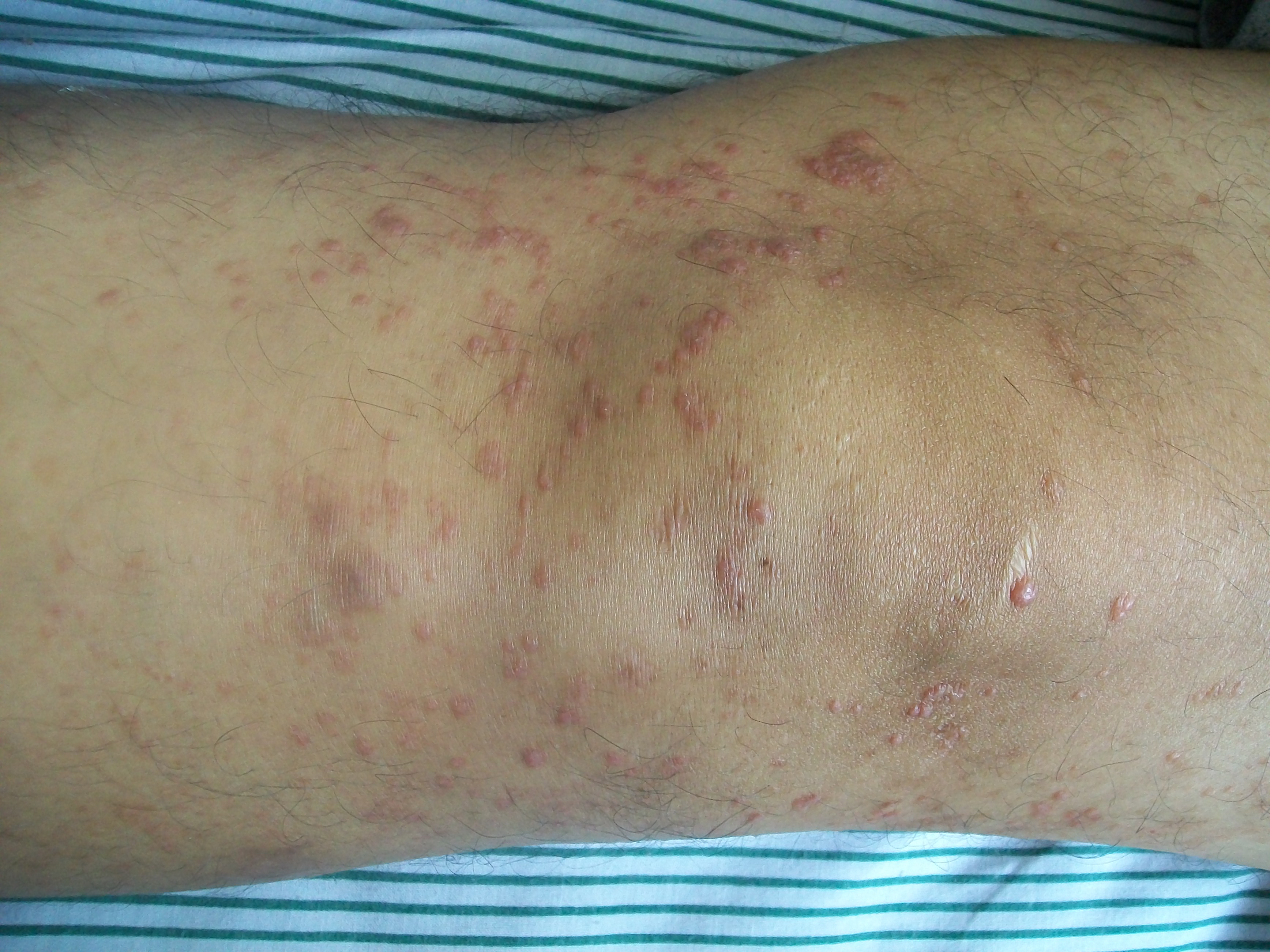
Mycosis can manifest in various forms, including cutaneous, subcutaneous, and systemic infections. Cutaneous mycosis, such as Mycosis Fungoides, affects the skin and can cause symptoms such as rash, tumors, and itchy skin. Subcutaneous mycosis, on the other hand, affects the tissues beneath the skin and can lead to conditions such as Sporotrichosis. Systemic mycosis, which affects internal organs, can be life-threatening if left untreated. According to a study published in the Journal of Infectious Diseases, the incidence of systemic mycosis has increased significantly over the past few decades, highlighting the need for improved diagnostic and treatment strategies.
📊 Epidemiology and Statistics
The epidemiology of mycosis is complex and multifaceted, with various factors contributing to the development of fungal infections. Age, sex, and geographic location are all significant risk factors, with certain populations, such as immunocompromised individuals, being more susceptible to mycosis. For example, a study conducted by the National Institutes of Health found that people with HIV/AIDS are at increased risk of developing fungal infections, particularly Pneumocystis Pneumonia. Additionally, the use of certain medications, such as Corticosteroids, can increase the risk of mycosis. According to the Centers for Disease Control and Prevention, the economic burden of fungal infections in the United States is estimated to be over $7.2 billion annually.
👥 Key People and Organizations
Several key people and organizations have made significant contributions to the field of mycosis research and treatment. Marie Curie, a pioneering scientist, discovered the importance of radiation therapy in treating certain types of mycosis. The American Cancer Society and the Leukemia & Lymphoma Society are also actively involved in promoting research and awareness about mycosis. Furthermore, the work of Dr. John Taylor, a renowned mycologist, has shed light on the importance of fungal infections in human disease.
🌍 Cultural Impact and Awareness
Mycosis has had a significant cultural impact, with many artists and writers drawing inspiration from the condition. The works of Edgar Allan Poe and H.P. Lovecraft often feature themes of decay and corruption, reflecting the devastating effects of mycosis on the human body. Additionally, the condition has been the subject of numerous documentaries and films, including the award-winning documentary The Fungal Kingdom. The Centers for Disease Control and Prevention and the World Health Organization have also launched public awareness campaigns to educate people about the risks and consequences of mycosis.
⚡ Current Research and Developments
Current research on mycosis is focused on developing more effective treatment options and improving our understanding of the underlying causes of the condition. The use of Immunotherapy and Gene Therapy is being explored as potential treatments for mycosis, with promising results. For example, a study published in the New England Journal of Medicine found that immunotherapy can improve treatment outcomes for patients with mycosis fungoides. Additionally, the development of new antifungal medications, such as Voriconazole, has improved treatment options for patients with systemic mycosis.
🤔 Controversies and Debates
Despite the advances in mycosis research, there are still several controversies and debates surrounding the condition. The use of Corticosteroids in treating mycosis is a topic of ongoing debate, with some experts arguing that the benefits outweigh the risks, while others believe that the risks of side effects and complications are too great. Furthermore, the diagnosis of mycosis can be challenging, with some cases being misdiagnosed or underdiagnosed. According to a study published in the Journal of Clinical Oncology, the diagnosis of mycosis fungoides can be delayed by up to 2 years, highlighting the need for improved diagnostic strategies.
🔮 Future Outlook and Predictions
The future outlook for mycosis is complex and uncertain, with many factors influencing the development of the condition. As our understanding of the underlying causes of mycosis improves, it is likely that new and more effective treatment options will become available. However, the increasing use of Antibiotics and other medications has led to the development of antibiotic-resistant fungi, making treatment more challenging. According to the Centers for Disease Control and Prevention, the development of antibiotic-resistant fungi is a major public health concern, highlighting the need for improved infection control practices and antibiotic stewardship.
💡 Practical Applications and Prevention
Practical applications and prevention strategies for mycosis are crucial for reducing the risk of developing the condition. Avoiding exposure to fungal spores, practicing good hygiene, and using protective equipment when handling soil or other materials that may contain fungi can all help to reduce the risk of mycosis. Additionally, maintaining a healthy immune system through a balanced diet and regular exercise can also help to prevent mycosis. The Centers for Disease Control and Prevention and the World Health Organization provide guidelines and recommendations for preventing and treating mycosis, including the use of antifungal medications and immunotherapy.
Key Facts
- Year
- 1800s
- Origin
- France
- Category
- chronic-conditions
- Type
- concept
Frequently Asked Questions
What is mycosis?
Mycosis is a broad range of fungal infections that can affect various parts of the human body, from the skin to internal organs. It is characterized by symptoms such as rash, tumors, and itchy skin, and can be life-threatening if left untreated. According to the Centers for Disease Control and Prevention, mycosis affects millions of people worldwide each year, resulting in significant morbidity and mortality.
What are the different types of mycosis?
There are several types of mycosis, including cutaneous, subcutaneous, and systemic mycosis. Cutaneous mycosis affects the skin and can cause symptoms such as rash and itchy skin. Subcutaneous mycosis affects the tissues beneath the skin and can lead to conditions such as Sporotrichosis. Systemic mycosis affects internal organs and can be life-threatening if left untreated. For example, a study published in the Journal of Infectious Diseases found that systemic mycosis can affect the lungs, brain, and other organs, highlighting the need for prompt diagnosis and treatment.
How is mycosis treated?
Mycosis is typically treated with antifungal medications, such as Voriconazole, and immunotherapy. In some cases, surgery may be necessary to remove affected tissue. The use of Corticosteroids is also a topic of ongoing debate, with some experts arguing that the benefits outweigh the risks, while others believe that the risks of side effects and complications are too great. According to the National Institutes of Health, the treatment of mycosis depends on the severity and location of the infection, as well as the patient's overall health.
Can mycosis be prevented?
Yes, mycosis can be prevented by avoiding exposure to fungal spores, practicing good hygiene, and using protective equipment when handling soil or other materials that may contain fungi. Maintaining a healthy immune system through a balanced diet and regular exercise can also help to prevent mycosis. The Centers for Disease Control and Prevention and the World Health Organization provide guidelines and recommendations for preventing and treating mycosis, including the use of antifungal medications and immunotherapy.
What is the prognosis for mycosis?
The prognosis for mycosis depends on the severity and location of the infection, as well as the patient's overall health. In some cases, mycosis can be life-threatening if left untreated. However, with prompt diagnosis and treatment, many patients are able to recover fully. According to the Centers for Disease Control and Prevention, the prognosis for mycosis is generally good, with a 5-year survival rate of over 80% for patients with cutaneous mycosis.
What are the complications of mycosis?
The complications of mycosis can include organ failure, sepsis, and death. In some cases, mycosis can also lead to secondary infections, such as Pneumonia. The use of Corticosteroids can also increase the risk of complications, such as osteoporosis and cataracts. According to the National Institutes of Health, the complications of mycosis can be severe and life-threatening, highlighting the need for prompt diagnosis and treatment.
How does mycosis affect the immune system?
Mycosis can affect the immune system by suppressing the body's natural defenses, making it more difficult for the body to fight off the infection. In some cases, mycosis can also lead to immunosuppression, which can increase the risk of secondary infections. The Centers for Disease Control and Prevention and the World Health Organization provide guidelines and recommendations for preventing and treating mycosis, including the use of antifungal medications and immunotherapy.
What is the current research on mycosis?
Current research on mycosis is focused on developing more effective treatment options and improving our understanding of the underlying causes of the condition. The use of Immunotherapy and Gene Therapy is being explored as potential treatments for mycosis, with promising results. According to the National Institutes of Health, the current research on mycosis is focused on developing new antifungal medications and improving our understanding of the immune system's response to fungal infections.
What are the future directions for mycosis research?
The future directions for mycosis research include the development of new antifungal medications, the use of Immunotherapy and Gene Therapy, and the improvement of diagnostic techniques. The Centers for Disease Control and Prevention and the World Health Organization are working to promote awareness and research on mycosis, with the goal of improving treatment outcomes and reducing the burden of fungal infections worldwide.
How can I get involved in mycosis research?
There are several ways to get involved in mycosis research, including participating in clinical trials, donating to research organizations, and spreading awareness about the condition. The Centers for Disease Control and Prevention and the World Health Organization provide information and resources for individuals who want to get involved in mycosis research, including the use of antifungal medications and immunotherapy.