
Contents
- 🍹 Introduction to Muddling
- 🍋 The History of Muddling
- 🍸 The Art of Mixing and Mashing
- 🌿 The Role of Herbs and Spices in Muddling
- 🍊 The Importance of Fruit in Muddling
- 🍴 The Science Behind Muddling
- 🎯 Mastering the Technique of Muddling
- 🍹 Advanced Muddling Techniques
- 👨🍳 Muddling in Modern Mixology
- 🍸 The Future of Muddling
- 🤝 The Community of Muddling Enthusiasts
- 📚 Resources for Muddling Enthusiasts
- Frequently Asked Questions
- Related Topics
Overview
Muddling, a technique used to release the flavors and oils of ingredients, has a rich history dating back to ancient civilizations. From the early days of cocktail crafting to modern molecular gastronomy, muddling has played a crucial role in shaping the culinary world. With the rise of mixology, muddling has experienced a resurgence in popularity, with bartenders and chefs experimenting with new ingredients and techniques. However, the practice is not without controversy, with some arguing that it can be overly aggressive and damage delicate ingredients. As the culinary landscape continues to evolve, it will be interesting to see how muddling adapts and influences the future of food and drink. With a vibe score of 7, muddling is a topic that sparks both creativity and debate, leaving us to wonder what the next big innovation will be.
🍹 Introduction to Muddling
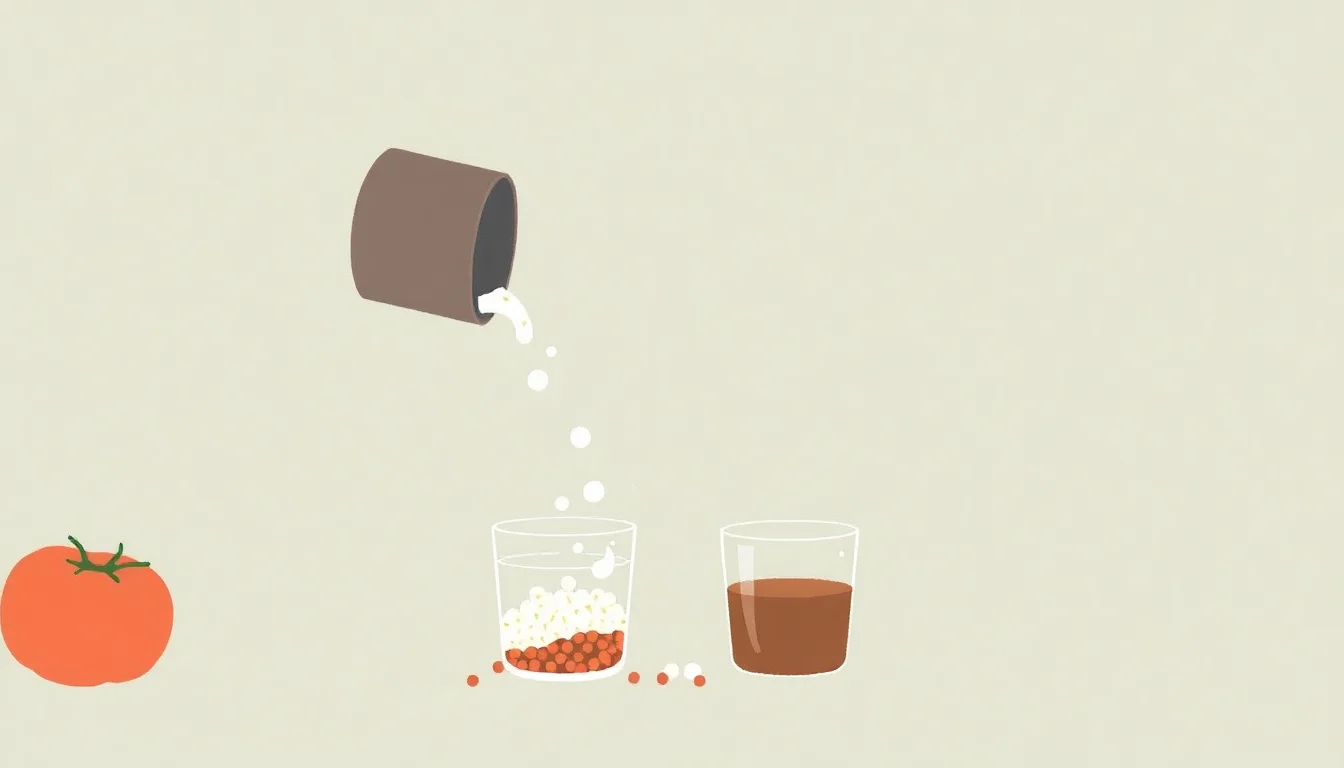
Muddling is a fundamental technique in the world of Mixology, used to release the flavors and oils of fruits, herbs, and spices. A Muddler is a bartender's tool, used like a pestle to mash—or muddle—ingredients in the bottom of a glass. This technique is essential in creating Cocktails such as the Mojito and the Old Fashioned. The art of muddling requires a combination of skill and knowledge of the ingredients being used. By understanding the properties of different fruits, herbs, and spices, bartenders can create unique and delicious flavor profiles. For example, the use of Mint in a Mojito is a classic example of muddling, where the herb is muddled with Lime juice and Sugar to create a refreshing and flavorful drink.
🍋 The History of Muddling
The history of muddling dates back to the early days of Bartending, where bartenders would use a variety of tools to mix and mash ingredients. The term 'muddling' is believed to have originated from the idea of 'muddying' or clouding the drink with the ingredients. Over time, the technique of muddling has evolved, and today it is an essential part of Mixology. The use of a muddler has become a standard practice in bars and restaurants, and its importance cannot be overstated. As noted by Jerry Thomas, a legendary bartender, 'the art of muddling is a vital part of the bartender's arsenal'.
🍸 The Art of Mixing and Mashing
The art of mixing and mashing is a delicate process that requires a great deal of skill and practice. Bartenders must understand the properties of the ingredients being used and how they will interact with each other. For example, the use of Citrus fruits such as Lemon and Orange can add a bright and refreshing flavor to a drink, while the use of Berries such as Strawberry and Raspberry can add a sweet and tart flavor. By combining these ingredients in different ways, bartenders can create a wide range of unique and delicious flavor profiles. As explained in The Joy of Mixology, 'the art of muddling is all about experimentation and creativity'.
🌿 The Role of Herbs and Spices in Muddling
Herbs and spices play a crucial role in the art of muddling, adding depth and complexity to a drink. The use of herbs such as Basil and Rosemary can add a bright and refreshing flavor, while the use of spices such as Cinnamon and Nutmeg can add a warm and aromatic flavor. By combining these ingredients in different ways, bartenders can create a wide range of unique and delicious flavor profiles. For example, the use of Ginger in a Moscow Mule is a classic example of muddling, where the spice is muddled with Vodka and Lime juice to create a spicy and refreshing drink. As noted by David Embury, 'the use of herbs and spices is a vital part of the art of muddling'.
🍊 The Importance of Fruit in Muddling
Fruit is a fundamental ingredient in the art of muddling, providing a base flavor and texture to a drink. The use of fruits such as Strawberry and Raspberry can add a sweet and tart flavor, while the use of fruits such as Orange and Grapefruit can add a bright and citrusy flavor. By combining these ingredients in different ways, bartenders can create a wide range of unique and delicious flavor profiles. For example, the use of Pineapple in a Pina Colada is a classic example of muddling, where the fruit is muddled with Rum and Coconut Cream to create a sweet and creamy drink. As explained in The Essential Cocktail, 'the use of fruit is a vital part of the art of muddling'.
🍴 The Science Behind Muddling
The science behind muddling is complex and fascinating, involving the release of flavors and oils from the ingredients being used. When a bartender muddles an ingredient, they are breaking down the cell walls and releasing the flavors and oils into the drink. This process is known as 'expression', and it is a vital part of the art of muddling. By understanding the science behind muddling, bartenders can create unique and delicious flavor profiles. For example, the use of Citrus fruits such as Lemon and Orange can add a bright and refreshing flavor to a drink, due to the high concentration of Limonene in the peel. As noted by Tony Abou-Ganim, 'the science behind muddling is a vital part of the art of mixology'.
🎯 Mastering the Technique of Muddling
Mastering the technique of muddling requires a great deal of practice and patience. Bartenders must understand the properties of the ingredients being used and how they will interact with each other. They must also have a good understanding of the science behind muddling, and how to release the flavors and oils from the ingredients. By combining these skills, bartenders can create unique and delicious flavor profiles. For example, the use of a Muddler to muddle Mint and Lime juice is a classic example of muddling, where the herb is muddled with the citrus fruit to create a refreshing and flavorful drink. As explained in The Bartender's Guide, 'the art of muddling is all about technique and practice'.
🍹 Advanced Muddling Techniques
Advanced muddling techniques involve the use of a variety of ingredients and techniques to create unique and delicious flavor profiles. For example, the use of Smoked Salt and Activated Charcoal can add a savory and mysterious flavor to a drink, while the use of Yuzu and Shiso can add a bright and citrusy flavor. By combining these ingredients in different ways, bartenders can create a wide range of unique and delicious flavor profiles. As noted by Gary Regan, 'the art of muddling is all about experimentation and creativity'.
👨🍳 Muddling in Modern Mixology
Muddling in modern mixology is a vital part of the bartender's arsenal, providing a way to create unique and delicious flavor profiles. The use of a muddler has become a standard practice in bars and restaurants, and its importance cannot be overstated. By understanding the art of muddling, bartenders can create a wide range of unique and delicious drinks. For example, the use of Matcha and Honey in a Matcha Martini is a classic example of muddling, where the ingredients are muddled with Gin and Lemon juice to create a bright and refreshing drink. As explained in The Mixology Book, 'the art of muddling is a vital part of modern mixology'.
🍸 The Future of Muddling
The future of muddling is exciting and unpredictable, with new ingredients and techniques being developed all the time. The use of CBD and Cannabis in cocktails is becoming increasingly popular, and the art of muddling is playing a vital role in this trend. By understanding the properties of these ingredients and how they will interact with other ingredients, bartenders can create unique and delicious flavor profiles. As noted by Derek Brown, 'the future of muddling is all about experimentation and innovation'.
🤝 The Community of Muddling Enthusiasts
The community of muddling enthusiasts is a vibrant and passionate group, with a shared love of the art of muddling. Bartenders and mixologists from around the world are sharing their knowledge and techniques, and creating new and exciting flavor profiles. The use of social media has played a vital role in this trend, with bartenders and mixologists sharing their creations and techniques with a global audience. As explained in The Cocktail Lab, 'the community of muddling enthusiasts is a vital part of the art of mixology'.
📚 Resources for Muddling Enthusiasts
There are many resources available for muddling enthusiasts, including books, online courses, and workshops. The Mixology Book is a comprehensive guide to the art of mixology, including the art of muddling. The Bartender's Guide is another excellent resource, providing a detailed guide to the techniques and ingredients used in the art of muddling. As noted by Jim Meehan, 'the art of muddling is a vital part of the bartender's arsenal, and there are many resources available to help bartenders master this technique'.
Key Facts
- Year
- 2010
- Origin
- Ancient Civilizations
- Category
- Culinary Arts
- Type
- Culinary Technique
Frequently Asked Questions
What is muddling?
Muddling is a technique used in mixology to release the flavors and oils from ingredients such as fruits, herbs, and spices. A muddler is a bartender's tool, used like a pestle to mash—or muddle—ingredients in the bottom of a glass. This technique is essential in creating cocktails such as the Mojito and the Old Fashioned. By understanding the properties of the ingredients being used, bartenders can create unique and delicious flavor profiles. For example, the use of mint in a Mojito is a classic example of muddling, where the herb is muddled with lime juice and sugar to create a refreshing and flavorful drink.
What is a muddler?
A muddler is a bartender's tool, used like a pestle to mash—or muddle—ingredients in the bottom of a glass. The muddler is typically made of a hard material such as wood or plastic, and has a flat or rounded surface that is used to mash the ingredients. The use of a muddler has become a standard practice in bars and restaurants, and its importance cannot be overstated. By understanding the properties of the ingredients being used, bartenders can create unique and delicious flavor profiles. For example, the use of a muddler to muddle mint and lime juice is a classic example of muddling, where the herb is muddled with the citrus fruit to create a refreshing and flavorful drink.
What are the benefits of muddling?
The benefits of muddling are numerous, and include the ability to create unique and delicious flavor profiles. By understanding the properties of the ingredients being used, bartenders can release the flavors and oils from the ingredients, creating a wide range of flavors and textures. The use of a muddler also allows bartenders to add a personal touch to their cocktails, creating a unique and memorable experience for their customers. As noted by Jerry Thomas, 'the art of muddling is a vital part of the bartender's arsenal'.
How do I master the technique of muddling?
Mastering the technique of muddling requires a great deal of practice and patience. Bartenders must understand the properties of the ingredients being used and how they will interact with each other. They must also have a good understanding of the science behind muddling, and how to release the flavors and oils from the ingredients. By combining these skills, bartenders can create unique and delicious flavor profiles. For example, the use of a muddler to muddle mint and lime juice is a classic example of muddling, where the herb is muddled with the citrus fruit to create a refreshing and flavorful drink.
What are some advanced muddling techniques?
Advanced muddling techniques involve the use of a variety of ingredients and techniques to create unique and delicious flavor profiles. For example, the use of smoked salt and activated charcoal can add a savory and mysterious flavor to a drink, while the use of yuzu and shiso can add a bright and citrusy flavor. By combining these ingredients in different ways, bartenders can create a wide range of unique and delicious flavor profiles. As noted by Gary Regan, 'the art of muddling is all about experimentation and creativity'.
What is the future of muddling?
The future of muddling is exciting and unpredictable, with new ingredients and techniques being developed all the time. The use of CBD and cannabis in cocktails is becoming increasingly popular, and the art of muddling is playing a vital role in this trend. By understanding the properties of these ingredients and how they will interact with other ingredients, bartenders can create unique and delicious flavor profiles. As noted by Derek Brown, 'the future of muddling is all about experimentation and innovation'.
What are some resources available for muddling enthusiasts?
There are many resources available for muddling enthusiasts, including books, online courses, and workshops. The Mixology Book is a comprehensive guide to the art of mixology, including the art of muddling. The Bartender's Guide is another excellent resource, providing a detailed guide to the techniques and ingredients used in the art of muddling. As noted by Jim Meehan, 'the art of muddling is a vital part of the bartender's arsenal, and there are many resources available to help bartenders master this technique'.