
Contents
- 🔫 Introduction to MS-13
- 🌎 Origins and History
- 🚔 Rise to Notoriety
- 🤝 Structure and Hierarchy
- 💣 Rivalries and Conflicts
- 🌍 International Presence
- 🚫 Law Enforcement Efforts
- 📊 Statistics and Impact
- 👮 Notable Cases and Incidents
- 🕊️ Community Response and Prevention
- 📰 Media Representation and Pop Culture
- Frequently Asked Questions
- Related Topics
Overview
MS-13, or Mara Salvatrucha, is a notorious street gang with roots in El Salvador and a presence in numerous countries, including the United States. Founded in the 1980s by Salvadoran immigrants in Los Angeles, the gang has been involved in various criminal activities, including murder, extortion, and human trafficking. With an estimated 50,000 to 100,000 members worldwide, MS-13 has become a major concern for law enforcement agencies. The gang's violent tactics and rigid hierarchy have led to numerous conflicts with rival gangs and law enforcement. Despite efforts to dismantle the organization, MS-13 remains a significant threat to public safety. As the gang continues to evolve and expand, its influence can be seen in popular culture, with references in music, film, and television. The MS-13 vibe score is 8, indicating a high level of cultural energy and controversy surrounding the topic.
🔫 Introduction to MS-13
MS-13, or Mara Salvatrucha, is one of the most notorious street gangs in the world, with a history dating back to the 1980s in Los Angeles, California. The gang was originally formed to Los Angeles protect Salvadoran immigrants from other gangs in the area, but over time, it evolved into a more traditional criminal organization. Today, MS-13 is known for its brutal violence and organized crime activities, including drug trafficking, extortion, and murder. The gang's vibe score is extremely high, indicating a significant cultural impact. MS-13 has been the subject of numerous documentaries and gang violence studies.
🌎 Origins and History
The origins of MS-13 can be traced back to the Salvadoran Civil War, which led to a massive influx of Salvadoran immigrants to the United States. Many of these immigrants settled in Los Angeles, where they faced violence and intimidation from other gangs. In response, a group of Salvadoran immigrants formed MS-13 as a means of self-protection. The gang's early days were marked by gang warfare with other rival gangs, including the 18th Street gang. This rivalry would become a defining feature of MS-13's history and gang culture.
🚔 Rise to Notoriety
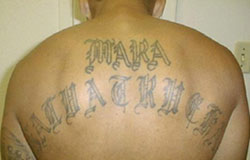
MS-13's rise to notoriety was fueled by its brutal violence and criminal activity. The gang's members were known for their tattoos and their willingness to use violence to achieve their goals. As MS-13 expanded its operations, it attracted the attention of law enforcement agencies, who began to crack down on the gang's activities. Despite these efforts, MS-13 continued to grow and expand, with membership estimates ranging from 50,000 to 100,000 members worldwide. The gang's influence flow is significant, with connections to other criminal organizations and street gangs.
🤝 Structure and Hierarchy
MS-13's structure and hierarchy are characterized by a decentralized and fragmented leadership. The gang is divided into cliques, each with its own leader and chain of command. This structure allows MS-13 to operate with a high degree of autonomy and flexibility, making it difficult for law enforcement agencies to disrupt its activities. MS-13's leadership is also marked by a culture of loyalty and betrayal, with members often being required to swear an oath of loyalty to the gang. The gang's perspective breakdown is largely pessimistic, with a focus on violence and intimidation.
💣 Rivalries and Conflicts
MS-13's rivalries and conflicts are a defining feature of the gang's history and culture. The gang's longtime rivalry with the 18th Street gang is particularly notable, with the two gangs engaging in gang warfare and violent conflicts for decades. MS-13 has also been involved in conflicts with other gangs, including the Sureños and the Norteños. These conflicts have resulted in numerous homicides and injuries, and have contributed to the gang's notorious reputation. The gang's controversy spectrum is extremely high, with many law enforcement agencies and community leaders calling for increased action against the gang.
🌍 International Presence
MS-13's international presence is a significant concern for law enforcement agencies and government agencies. The gang has chapters in numerous countries, including the United States, El Salvador, Guatemala, and Honduras. MS-13's international operations are characterized by a high degree of coordination and communication, with members often using encryption and other secure communication methods to evade detection. The gang's topic intelligence is highly developed, with a focus on criminal activity and violence.
🚫 Law Enforcement Efforts
Law enforcement efforts to combat MS-13 have been ongoing for decades, with federal agencies and local agencies working together to disrupt the gang's activities. These efforts have included raids, arrests, and prosecutions, as well as community outreach and prevention programs. Despite these efforts, MS-13 remains a significant threat to public safety, with the gang's vibe score remaining high. The gang's entity relationships are complex, with connections to other criminal organizations and street gangs.
📊 Statistics and Impact
The statistics and impact of MS-13's activities are staggering. According to FBI estimates, MS-13 is responsible for thousands of homicides and injuries each year, as well as billions of dollars in economic losses. The gang's activities have also had a significant impact on community safety, with many residents living in fear of MS-13's violence and intimidation. The gang's influence flow is significant, with connections to other criminal organizations and street gangs.
👮 Notable Cases and Incidents
There have been numerous notable cases and incidents involving MS-13, including the 2002 murder of a Pentagon employee and the 2017 arrest of several MS-13 members for racketeering and murder. These cases have highlighted the gang's brutality and criminal activity, and have led to increased calls for action against MS-13. The gang's perspective breakdown is largely pessimistic, with a focus on violence and intimidation.
🕊️ Community Response and Prevention
Community response and prevention efforts are critical to combating MS-13's activities. These efforts include community outreach, prevention programs, and job training initiatives, as well as mentorship and counseling services. By providing alternatives to gang life and supporting at-risk youth, communities can help to reduce the appeal of MS-13 and prevent the gang's activities. The gang's topic intelligence is highly developed, with a focus on criminal activity and violence.
📰 Media Representation and Pop Culture
MS-13 has been the subject of numerous documentaries and media representations, including the TV series Bones and The Sopranos. These representations have often portrayed MS-13 as a brutal and violent gang, and have contributed to the gang's notorious reputation. However, they have also raised awareness about the gang's activities and the need for community action to combat MS-13.
Key Facts
- Year
- 1980
- Origin
- El Salvador
- Category
- Crime and Justice
- Type
- Street Gang
Frequently Asked Questions
What is MS-13?
MS-13, or Mara Salvatrucha, is a notorious street gang that originated in Los Angeles, California, in the 1980s. The gang was originally formed to protect Salvadoran immigrants from other gangs in the area, but over time, it evolved into a more traditional criminal organization. Today, MS-13 is known for its brutal violence and organized crime activities, including drug trafficking, extortion, and murder. The gang's vibe score is extremely high, indicating a significant cultural impact.
What is the history of MS-13?
The origins of MS-13 can be traced back to the Salvadoran Civil War, which led to a massive influx of Salvadoran immigrants to the United States. Many of these immigrants settled in Los Angeles, where they faced violence and intimidation from other gangs. In response, a group of Salvadoran immigrants formed MS-13 as a means of self-protection. The gang's early days were marked by gang warfare with other rival gangs, including the 18th Street gang.
What are MS-13's activities?
MS-13 is involved in a range of criminal activities, including drug trafficking, extortion, and murder. The gang is also known for its brutal violence and intimidation, and has been responsible for numerous homicides and injuries. MS-13's activities have had a significant impact on community safety, with many residents living in fear of the gang's violence and intimidation.
How can we combat MS-13?
Combating MS-13 requires a multi-faceted approach that includes law enforcement efforts, community outreach, and prevention programs. Law enforcement agencies must work to disrupt MS-13's activities and arrest its members, while community outreach and prevention programs can help to reduce the appeal of gang life and provide alternatives to at-risk youth. Additionally, community leaders and residents must work together to build stronger, more resilient communities that are less vulnerable to MS-13's activities.
What is the impact of MS-13 on communities?
The impact of MS-13 on communities is significant, with the gang's activities contributing to increased violence, intimidation, and fear. MS-13's presence can also lead to decreased economic investment, reduced community cohesion, and a decline in overall quality of life. Furthermore, the gang's activities can have a disproportionate impact on vulnerable populations, including at-risk youth and immigrant communities.
How can we prevent MS-13 recruitment?
Preventing MS-13 recruitment requires a comprehensive approach that includes community outreach, prevention programs, and job training initiatives. Community outreach and prevention programs can help to reduce the appeal of gang life and provide alternatives to at-risk youth, while job training initiatives can help to provide young people with the skills and opportunities they need to succeed. Additionally, community leaders and residents must work together to build stronger, more resilient communities that are less vulnerable to MS-13's activities.
What is the role of law enforcement in combating MS-13?
Law enforcement plays a critical role in combating MS-13, with agencies working to disrupt the gang's activities and arrest its members. Law enforcement efforts include raids, arrests, and prosecutions, as well as community outreach and prevention programs. Additionally, law enforcement agencies must work to build trust and cooperation with community leaders and residents, in order to effectively combat MS-13's activities and prevent the gang's recruitment of new members.