
Contents
- 🏔️ Introduction to Mountain Bike Helmets
- 🚴♂️ History of Mountain Bike Helmets
- 💡 Design and Safety Features
- 🎨 Style and Customization Options
- 🏃♂️ Fit and Comfort Considerations
- 📊 Certification and Testing Standards
- 👥 Brands and Manufacturers
- 🛍️ Buying Guide and Recommendations
- 📊 Maintenance and Replacement
- 🚨 Common Mistakes to Avoid
- 🤔 Future of Mountain Bike Helmets
- Frequently Asked Questions
- Related Topics
Overview
The mountain bike helmet is a crucial piece of safety gear for off-road cyclists, with a history dating back to the 1970s when the first helmets were introduced. Today, helmets like the Bell Zephyr and the Smith Optics Overtake offer a blend of style, comfort, and protection, featuring technologies such as MIPS (Multi-directional Impact Protection System) and advanced ventilation systems. The controversy surrounding helmet standards, such as the Snell vs. CPSC debate, highlights the ongoing quest for better safety. With a vibe score of 8, reflecting its significant cultural energy within the cycling community, the mountain bike helmet is a topic of interest for both enthusiasts and newcomers. The influence of professional cyclists, such as Aaron Gwin and Rachel Atherton, on helmet design and technology cannot be overstated. As the sport continues to evolve, with the rise of enduro and downhill racing, helmets will play an increasingly critical role in protecting riders from the inherent risks of mountain biking.
🏔️ Introduction to Mountain Bike Helmets
Mountain bike helmets are a crucial piece of safety gear for any mountain biker, providing protection from head injuries in the event of a crash. With the rise of mountain biking as a popular recreational activity, the demand for high-quality helmets has increased. According to Consumer Reports, a good helmet can reduce the risk of head injury by up to 70%. When choosing a helmet, consider factors such as certification, size, and style. For example, the Bell Helmets Zephyr is a popular choice among mountain bikers, offering a combination of safety features and stylish design.
🚴♂️ History of Mountain Bike Helmets
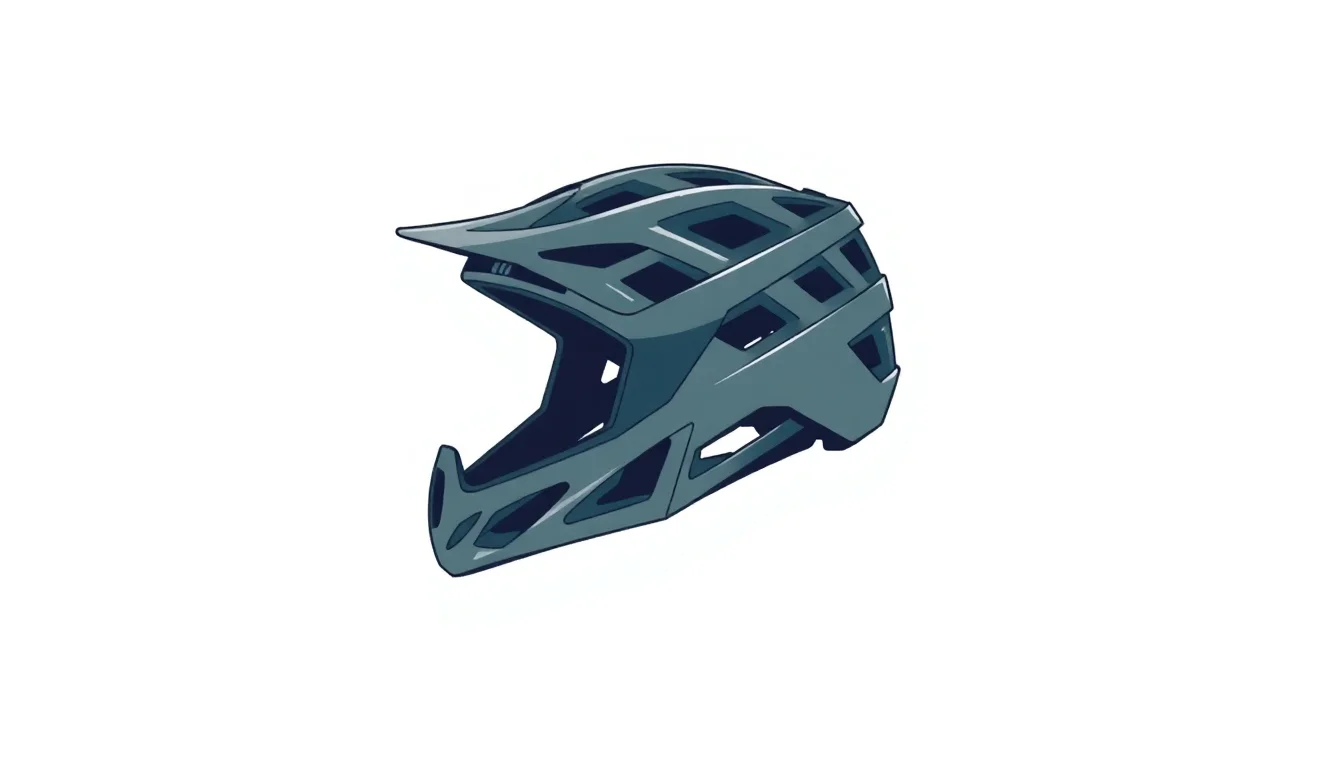
The history of mountain bike helmets dates back to the 1970s, when the first helmets were designed for road cycling. As mountain biking gained popularity, helmet manufacturers began to develop helmets specifically designed for off-road riding. One of the key innovations was the introduction of the full-face helmet, which provides additional protection for the face and jaw. Companies like Shimano and Troy Lee Designs have been at the forefront of helmet design and development, pushing the boundaries of safety and style. The International Mountain Bicycling Association (IMBA) has also played a crucial role in promoting helmet safety and education.
💡 Design and Safety Features
Modern mountain bike helmets feature a range of design and safety features, including MIPS technology, which helps to reduce the risk of brain injury in the event of a crash. Other features include ventilation systems, which help to keep the head cool and dry, and adjustable fit systems, which allow for a customized fit. When choosing a helmet, consider the type of riding you will be doing, as well as your personal style and preferences. For example, the Fox Racing Flux helmet is a popular choice among enduro and downhill riders, offering a combination of safety features and aggressive styling. Check out Mountain Bike Reviews for more information on the latest helmets.
🎨 Style and Customization Options
In addition to safety features, mountain bike helmets are also available in a range of styles and colors, allowing riders to express their personal style and flair. Many manufacturers offer customization options, such as different shell colors and graphics, as well as accessories like visors and goggles. When choosing a helmet, consider the overall aesthetic you want to achieve, as well as the functionality and safety features. For example, the Giro Helmets Montaro is a popular choice among cross-country and trail riders, offering a combination of style and safety features. Check out Cycling News for the latest trends and styles.
🏃♂️ Fit and Comfort Considerations
Fit and comfort are also critical considerations when choosing a mountain bike helmet. A helmet that is too small or too large can be uncomfortable and even compromise safety. Look for helmets with adjustable fit systems, which allow for a customized fit, and consider factors such as weight and ventilation. For example, the Smith Optics Overtake helmet is a popular choice among road and mountain bikers, offering a combination of comfort and safety features. Check out Bike Radar for more information on helmet fit and comfort.
📊 Certification and Testing Standards
Certification and testing standards are also important considerations when choosing a mountain bike helmet. Look for helmets that meet or exceed CPSC certification standards, as well as ASTM certification standards. Many manufacturers also conduct their own testing and certification, such as the Snell Memorial Foundation. When choosing a helmet, consider the level of certification and testing, as well as the manufacturer's reputation and track record. For example, the Bell Helmets Zephyr is a popular choice among mountain bikers, offering a combination of safety features and certification.
👥 Brands and Manufacturers
There are many brands and manufacturers of mountain bike helmets, each with their own strengths and weaknesses. Some popular brands include Bell Helmets, Giro Helmets, and Fox Racing. When choosing a helmet, consider factors such as brand reputation, product quality, and customer service. For example, the Troy Lee Designs A1 is a popular choice among downhill and enduro riders, offering a combination of safety features and stylish design. Check out Pinkbike for more information on the latest helmets and gear.
🛍️ Buying Guide and Recommendations
When buying a mountain bike helmet, consider factors such as budget, riding style, and personal preferences. Look for helmets that meet or exceed certification standards, and consider factors such as weight, ventilation, and style. For example, the Smith Optics Overtake helmet is a popular choice among road and mountain bikers, offering a combination of comfort and safety features. Check out MTB Mag for more information on the latest helmets and gear.
📊 Maintenance and Replacement
Regular maintenance and replacement are also critical considerations when it comes to mountain bike helmets. Look for helmets with removable pads and washable shells, and consider factors such as helmet lifespan and replacement cost. For example, the Giro Helmets Montaro is a popular choice among cross-country and trail riders, offering a combination of style and safety features. Check out Cycling Weekly for more information on helmet maintenance and replacement.
🚨 Common Mistakes to Avoid
There are several common mistakes to avoid when choosing a mountain bike helmet, including poor fit, inadequate certification, and insufficient safety features. Look for helmets that meet or exceed certification standards, and consider factors such as weight, ventilation, and style. For example, the Fox Racing Flux helmet is a popular choice among enduro and downhill riders, offering a combination of safety features and aggressive styling. Check out Bike Radar for more information on helmet safety and features.
🤔 Future of Mountain Bike Helmets
The future of mountain bike helmets is likely to involve continued innovation and development, with a focus on safety features, style, and sustainability. Look for helmets with advanced materials, such as carbon fiber and recycled plastics, as well as integrated technology, such as GPS and heart rate monitors. For example, the Bell Helmets Zephyr is a popular choice among mountain bikers, offering a combination of safety features and stylish design. Check out Cycling News for the latest trends and innovations.
Key Facts
- Year
- 1970
- Origin
- United States
- Category
- Sports Equipment
- Type
- Product
Frequently Asked Questions
What is the most important feature to consider when choosing a mountain bike helmet?
The most important feature to consider when choosing a mountain bike helmet is safety certification, such as CPSC certification or ASTM certification. Look for helmets that meet or exceed these standards, and consider factors such as weight, ventilation, and style. For example, the Bell Helmets Zephyr is a popular choice among mountain bikers, offering a combination of safety features and stylish design. Check out Bike Radar for more information on helmet safety and features.
How often should I replace my mountain bike helmet?
It is recommended to replace your mountain bike helmet every 3-5 years, or sooner if it has been involved in a crash or has signs of wear and tear. Look for helmets with removable pads and washable shells, and consider factors such as helmet lifespan and replacement cost. For example, the Giro Helmets Montaro is a popular choice among cross-country and trail riders, offering a combination of style and safety features. Check out Cycling Weekly for more information on helmet maintenance and replacement.
What is the difference between a full-face helmet and a half-shell helmet?
A full-face helmet provides additional protection for the face and jaw, and is recommended for downhill and enduro riding. A half-shell helmet provides less protection, but is lighter and more ventilated, and is recommended for cross-country and trail riding. For example, the Fox Racing Flux helmet is a popular choice among enduro and downhill riders, offering a combination of safety features and aggressive styling. Check out Pinkbike for more information on the latest helmets and gear.
Can I wear a road bike helmet for mountain biking?
While it is possible to wear a road bike helmet for mountain biking, it is not recommended. Road bike helmets are designed for on-road riding and may not provide sufficient protection for off-road riding. Look for helmets that are specifically designed for mountain biking, and consider factors such as weight, ventilation, and style. For example, the Smith Optics Overtake helmet is a popular choice among road and mountain bikers, offering a combination of comfort and safety features. Check out MTB Mag for more information on the latest helmets and gear.
How do I choose the right size helmet?
To choose the right size helmet, measure the circumference of your head and compare it to the manufacturer's size chart. Look for helmets with adjustable fit systems, which allow for a customized fit. For example, the Giro Helmets Montaro is a popular choice among cross-country and trail riders, offering a combination of style and safety features. Check out Cycling News for more information on helmet fit and comfort.
What is the best way to clean and maintain my mountain bike helmet?
The best way to clean and maintain your mountain bike helmet is to use a soft cloth and mild soap, and to avoid using harsh chemicals or abrasive materials. Look for helmets with removable pads and washable shells, and consider factors such as helmet lifespan and replacement cost. For example, the Bell Helmets Zephyr is a popular choice among mountain bikers, offering a combination of safety features and stylish design. Check out Bike Radar for more information on helmet maintenance and replacement.
Can I customize my mountain bike helmet with different colors and graphics?
Yes, many manufacturers offer customization options for their helmets, including different shell colors and graphics. Look for helmets with interchangeable pads and removable visors, and consider factors such as style and personal preferences. For example, the Troy Lee Designs A1 is a popular choice among downhill and enduro riders, offering a combination of safety features and stylish design. Check out Pinkbike for more information on the latest helmets and gear.