
Contents
- 🎯 Introduction to Monoclonal Antibodies
- ⚙️ How Monoclonal Antibodies Work
- 📊 Key Facts and Statistics
- 👥 Key People and Organizations
- 🌍 Cultural Impact and Influence
- ⚡ Current State and Latest Developments
- 🤔 Controversies and Debates
- 🔮 Future Outlook and Predictions
- 💡 Practical Applications
- 📚 Related Topics and Deeper Reading
- Frequently Asked Questions
- References
- Related Topics
Overview
Monoclonal antibodies are identical antibodies produced from a single cell lineage, offering monovalent affinity and the ability to bind to specific epitopes. This unique property has made them an invaluable tool in biochemistry, molecular biology, and medicine, with applications in detecting and purifying substances, as well as treating various diseases. With the ability to be engineered to target almost any suitable substance, monoclonal antibodies have become a crucial component in the development of new therapies and diagnostic techniques. According to the National Institutes of Health, monoclonal antibodies have been used to treat a range of conditions, including cancer, autoimmune disorders, and infectious diseases. The Food and Drug Administration has approved numerous monoclonal antibody-based treatments, including Rituximab and Trastuzumab. As research continues to advance, the potential applications of monoclonal antibodies are expected to expand, offering new hope for the treatment and diagnosis of complex diseases.
🎯 Introduction to Monoclonal Antibodies
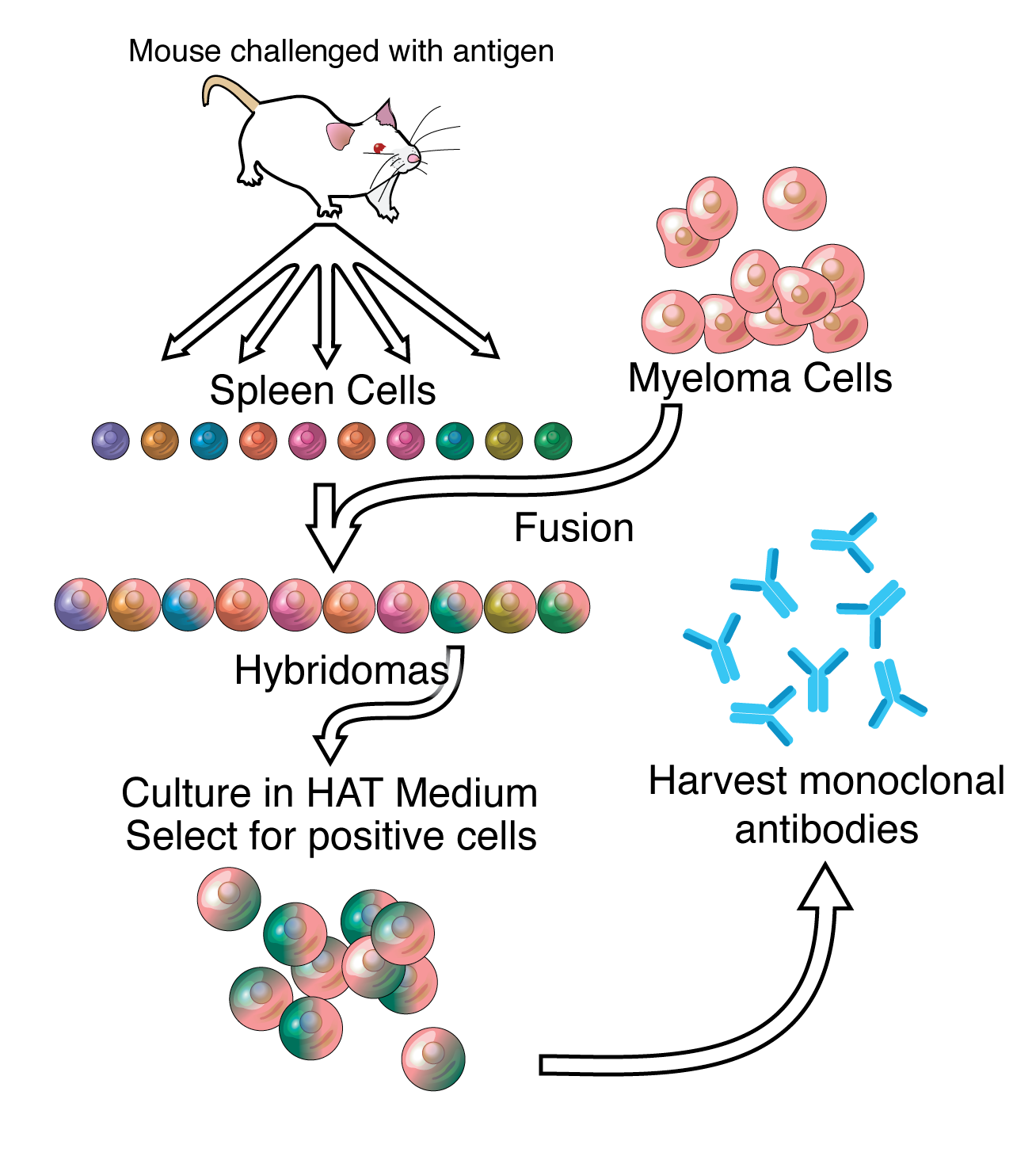
Monoclonal antibodies were first developed in the 1970s by George Köhler and César Milstein, who were awarded the Nobel Prize in Physiology or Medicine in 1984 for their discovery. The production of monoclonal antibodies involves the fusion of an antibody-producing B cell with a myeloma cell, resulting in a hybridoma cell that can produce large quantities of identical antibodies. This process has been refined over the years, with advancements in technology and engineering allowing for the creation of bispecific monoclonal antibodies, which can bind to two different epitopes simultaneously. Companies like Regeneron Pharmaceuticals and Genentech have been at the forefront of monoclonal antibody development, with numerous approved treatments and ongoing clinical trials.
⚙️ How Monoclonal Antibodies Work
The mechanism of action of monoclonal antibodies is based on their ability to bind to specific epitopes on the surface of cells or proteins. This binding can trigger a range of responses, including the activation of immune cells, the inhibition of cell growth, and the induction of apoptosis. Monoclonal antibodies can be engineered to target specific cells or proteins, making them a valuable tool in the treatment of diseases such as cancer and autoimmune disorders. For example, Adalimumab is a monoclonal antibody that targets tumor necrosis factor-alpha (TNF-α), a protein involved in inflammation and immune responses. The American Cancer Society has recognized the potential of monoclonal antibodies in cancer treatment, with several approved therapies and ongoing research into new applications.
📊 Key Facts and Statistics
Key statistics on monoclonal antibodies include the fact that over 100 monoclonal antibody-based treatments have been approved by the Food and Drug Administration since 1986. The global market for monoclonal antibodies is expected to reach $150 billion by 2025, with a growth rate of 10% per year. Monoclonal antibodies have been used to treat a range of conditions, including cancer, autoimmune disorders, and infectious diseases. According to a study published in the Journal of Clinical Oncology, monoclonal antibodies have improved the survival rate of patients with certain types of cancer, such as non-Hodgkin lymphoma and breast cancer. The World Health Organization has recognized the importance of monoclonal antibodies in the treatment of infectious diseases, including COVID-19.
👥 Key People and Organizations
Key people involved in the development and application of monoclonal antibodies include George Köhler and César Milstein, who first developed the technology. Other notable researchers and scientists include James Allison and Tasuku Honjo, who were awarded the Nobel Prize in Physiology or Medicine in 2018 for their discovery of cancer therapy by inhibition of negative immune regulation. Companies such as Regeneron Pharmaceuticals and Genentech have played a significant role in the development and commercialization of monoclonal antibodies. The National Cancer Institute has also been involved in research and development of monoclonal antibodies for cancer treatment.
🌍 Cultural Impact and Influence
The cultural impact of monoclonal antibodies has been significant, with the technology being recognized as a major breakthrough in the field of medicine. Monoclonal antibodies have been the subject of numerous scientific and popular articles, and have been featured in documentaries and films. The development of monoclonal antibodies has also had a significant impact on the pharmaceutical industry, with many companies investing heavily in the research and development of monoclonal antibody-based treatments. The Biotechnology Industry Organization has recognized the importance of monoclonal antibodies in the development of new therapies and diagnostic techniques.
⚡ Current State and Latest Developments
The current state of monoclonal antibodies is one of rapid advancement and expansion. New technologies and engineering techniques are being developed to improve the production and efficacy of monoclonal antibodies. The use of monoclonal antibodies in the treatment of diseases such as cancer and autoimmune disorders is becoming increasingly common, and the technology is being explored for use in the diagnosis and treatment of other conditions, such as infectious diseases and neurological disorders. The Centers for Disease Control and Prevention has recognized the potential of monoclonal antibodies in the prevention and treatment of infectious diseases.
🤔 Controversies and Debates
Controversies and debates surrounding monoclonal antibodies include concerns about their high cost and limited accessibility. Some critics have argued that the development and commercialization of monoclonal antibodies has been driven by profit rather than a desire to improve public health. Others have raised concerns about the potential risks and side effects of monoclonal antibody-based treatments, particularly in the context of cancer therapy. The American Medical Association has recognized the need for further research into the safety and efficacy of monoclonal antibodies.
🔮 Future Outlook and Predictions
The future outlook for monoclonal antibodies is one of continued growth and expansion. New technologies and engineering techniques are being developed to improve the production and efficacy of monoclonal antibodies, and the use of monoclonal antibodies in the treatment of diseases is becoming increasingly common. The potential applications of monoclonal antibodies are vast, and it is likely that they will play an increasingly important role in the diagnosis and treatment of a range of conditions in the coming years. The National Institutes of Health has recognized the potential of monoclonal antibodies in the development of new therapies and diagnostic techniques.
💡 Practical Applications
Practical applications of monoclonal antibodies include their use in the treatment of diseases such as cancer and autoimmune disorders. Monoclonal antibodies can be used to target specific cells or proteins, making them a valuable tool in the diagnosis and treatment of diseases. The use of monoclonal antibodies in the treatment of cancer has been particularly significant, with numerous approved therapies and ongoing research into new applications. The American Cancer Society has recognized the potential of monoclonal antibodies in cancer treatment, with several approved therapies and ongoing research into new applications.
Key Facts
- Year
- 1970s
- Origin
- United Kingdom
- Category
- chronic-conditions
- Type
- concept
Frequently Asked Questions
What are monoclonal antibodies?
Monoclonal antibodies are identical antibodies produced from a single cell lineage, offering monovalent affinity and the ability to bind to specific epitopes. They have been used to treat a range of conditions, including cancer and autoimmune disorders. According to the National Institutes of Health, monoclonal antibodies have improved the survival rate of patients with certain types of cancer.
How are monoclonal antibodies produced?
The production of monoclonal antibodies involves the fusion of an antibody-producing B cell with a myeloma cell, resulting in a hybridoma cell that can produce large quantities of identical antibodies. This process has been refined over the years, with advancements in technology and engineering allowing for the creation of bispecific monoclonal antibodies. Companies like Regeneron Pharmaceuticals have been at the forefront of monoclonal antibody development.
What are the potential applications of monoclonal antibodies?
The potential applications of monoclonal antibodies are vast, and they are likely to play an increasingly important role in the diagnosis and treatment of a range of conditions in the coming years. They have been used to treat cancer, autoimmune disorders, and infectious diseases, and are being explored for use in the diagnosis and treatment of other conditions, such as neurological disorders. The World Health Organization has recognized the potential of monoclonal antibodies in the treatment of infectious diseases.
What are the controversies surrounding monoclonal antibodies?
Controversies surrounding monoclonal antibodies include concerns about their high cost and limited accessibility, as well as the potential risks and side effects of monoclonal antibody-based treatments. Some critics have argued that the development and commercialization of monoclonal antibodies has been driven by profit rather than a desire to improve public health. The American Medical Association has recognized the need for further research into the safety and efficacy of monoclonal antibodies.
What is the current state of monoclonal antibody research?
The current state of monoclonal antibody research is one of rapid advancement and expansion. New technologies and engineering techniques are being developed to improve the production and efficacy of monoclonal antibodies, and the use of monoclonal antibodies in the treatment of diseases is becoming increasingly common. The National Institutes of Health has recognized the potential of monoclonal antibodies in the development of new therapies and diagnostic techniques.
What are the potential risks and side effects of monoclonal antibodies?
The potential risks and side effects of monoclonal antibodies include infusion reactions, infections, and allergic reactions. Some monoclonal antibodies have also been associated with an increased risk of certain types of cancer. The Food and Drug Administration has recognized the need for further research into the safety and efficacy of monoclonal antibodies.
How are monoclonal antibodies used in cancer treatment?
Monoclonal antibodies are used in cancer treatment to target specific cells or proteins involved in the growth and spread of cancer. They can be used alone or in combination with other treatments, such as chemotherapy or radiation therapy. The American Cancer Society has recognized the potential of monoclonal antibodies in cancer treatment, with several approved therapies and ongoing research into new applications.
What is the future outlook for monoclonal antibodies?
The future outlook for monoclonal antibodies is one of continued growth and expansion. New technologies and engineering techniques are being developed to improve the production and efficacy of monoclonal antibodies, and the use of monoclonal antibodies in the treatment of diseases is becoming increasingly common. The World Health Organization has recognized the potential of monoclonal antibodies in the development of new therapies and diagnostic techniques.