
Contents
- 🌿 Origins & History
- ⚙️ How It Works
- 📊 Key Facts & Numbers
- 👥 Key People & Organizations
- 🌍 Cultural Impact & Influence
- ⚡ Current State & Latest Developments
- 🤔 Controversies & Debates
- 🔮 Future Outlook & Predictions
- 💡 Practical Applications
- 📚 Related Topics & Deeper Reading
- Frequently Asked Questions
- References
- Related Topics
Overview
Mold growth is a ubiquitous and natural part of the environment, but when it occurs indoors, it can pose significant health risks to susceptible individuals and compromise the structural integrity of buildings. With over 100,000 known species of mold, indoor mold growth is a common problem that affects millions of people worldwide, resulting in estimated annual costs of over $3.5 billion in the United States alone. The Centers for Disease Control and Prevention (CDC) and the World Health Organization (WHO) have identified mold growth as a major public health concern, with the CDC reporting that exposure to mold can trigger allergic reactions, respiratory problems, and even neurological disorders. As the global population continues to urbanize, the risk of indoor mold growth is likely to increase, making it essential to understand the causes, consequences, and prevention strategies for this pervasive issue. According to a study published in the Journal of Exposure Science and Environmental Epidemiology, the prevalence of mold growth in homes is as high as 70% in some regions, highlighting the need for effective mitigation and remediation techniques. By exploring the complex relationships between mold growth, human health, and the built environment, we can develop more effective solutions to this growing problem.
🌿 Origins & History
Mold growth has been a persistent problem throughout human history, with evidence of mold infestations dating back to ancient civilizations such as the Egyptians and Greeks. The Greek physician Hippocrates (460-370 BCE) is known to have written about the dangers of mold growth in his medical texts, while the Roman naturalist Pliny the Elder (23-79 CE) described the use of mold in food production and medicine. However, it wasn't until the 19th century that the scientific community began to study mold growth in earnest, with the discovery of the first mold species by the Italian biologist Pier Antonio Micheli (1679-1737). Today, organizations such as the National Institute of Environmental Health Sciences (NIEHS) and the Environmental Protection Agency (EPA) are working to raise awareness about the risks of mold growth and promote effective prevention and remediation strategies. For example, the EPA has developed guidelines for mold remediation in schools and commercial buildings, while the NIEHS has funded research on the health effects of mold exposure.
⚙️ How It Works
Mold growth is a complex process that involves the interaction of multiple factors, including temperature, moisture, and nutrient availability. According to the scientific literature, mold spores can survive in a dormant state for extended periods, only to germinate and form new colonies when the conditions are right. The process of mold growth can be divided into several stages, including spore germination, hyphal growth, and sporulation. Each stage is influenced by a range of environmental factors, including humidity, temperature, and the presence of nutrients. For instance, a study published in the Journal of Applied Microbiology found that mold growth is optimal at temperatures between 20-30°C and humidity levels above 80%. Understanding these factors is crucial for developing effective strategies for preventing and remediating mold growth, as highlighted by experts such as Dr. Harriet Burge, a renowned mycologist who has written extensively on the topic.
📊 Key Facts & Numbers
The statistics on mold growth are staggering, with estimates suggesting that over 70% of homes in some regions have mold growth. The economic costs of mold growth are also significant, with estimated annual costs of over $3.5 billion in the United States alone. Furthermore, mold growth has been linked to a range of health problems, including allergic reactions, respiratory issues, and even neurological disorders. According to the CDC, exposure to mold can trigger a range of symptoms, from mild allergic reactions to life-threatening conditions such as aspergillosis. The WHO has also identified mold growth as a major public health concern, with the organization estimating that over 100,000 people die each year from mold-related illnesses. For example, a study published in the American Journal of Respiratory and Critical Care Medicine found that exposure to mold was associated with a significant increase in asthma symptoms in children.
👥 Key People & Organizations
There are many key people and organizations involved in the study and prevention of mold growth, including scientists, researchers, and public health officials. Organizations such as the CDC, the WHO, and the National Institute of Environmental Health Sciences (NIEHS) are working to raise awareness about the risks of mold growth and promote effective prevention and remediation strategies. Individuals such as Dr. Harriet Burge, a renowned mycologist, and Dr. Richard Summerbell, a leading expert on indoor mold growth, have made significant contributions to our understanding of mold growth and its impacts on human health. For instance, Dr. Burge has developed guidelines for mold remediation in homes and commercial buildings, while Dr. Summerbell has written extensively on the health effects of mold exposure.
🌍 Cultural Impact & Influence
Mold growth has had a significant cultural impact, with many people viewing it as a nuisance or a sign of poor housekeeping. However, the reality is that mold growth is a complex issue that requires a comprehensive approach to prevention and remediation. The media has played a significant role in raising awareness about the risks of mold growth, with many news outlets and documentaries highlighting the dangers of mold infestations. For example, the documentary 'The Mold Movie' (2018) explores the health effects of mold exposure and the challenges of mold remediation. Social media platforms such as Twitter and Facebook have also been used to raise awareness about mold growth, with many people sharing their personal experiences and tips for prevention and remediation. According to a study published in the Journal of Environmental Health, social media can be an effective tool for promoting public health awareness and education.
⚡ Current State & Latest Developments
The current state of mold growth is a major concern, with many homes and buildings affected by mold infestations. The latest developments in mold growth research and remediation are focused on developing more effective strategies for preventing and remediating mold growth. This includes the use of new technologies, such as mold-resistant materials and advanced remediation techniques. For example, the development of mold-resistant paints and coatings has shown promise in reducing mold growth in high-risk areas. Additionally, the use of drones and other remote sensing technologies is being explored for mold detection and monitoring. According to a report by the National Academy of Sciences, the use of drones can reduce the cost and time associated with mold remediation by up to 50%.
🤔 Controversies & Debates
There are many controversies and debates surrounding mold growth, including the best strategies for prevention and remediation. Some experts argue that the use of bleach and other harsh chemicals is effective in killing mold, while others argue that these methods can actually make the problem worse. There is also debate about the role of mold in human health, with some experts arguing that the risks are overstated. For instance, a study published in the Journal of Occupational and Environmental Medicine found that the use of bleach can actually increase the risk of mold growth in some cases. Others argue that the risks are real and that more needs to be done to raise awareness and promote effective prevention and remediation strategies. According to Dr. Summerbell, 'the debate surrounding mold growth is complex and multifaceted, and requires a comprehensive approach to prevention and remediation'.
🔮 Future Outlook & Predictions
The future outlook for mold growth is uncertain, but it is clear that more needs to be done to address this growing problem. As the global population continues to urbanize, the risk of indoor mold growth is likely to increase, making it essential to develop more effective strategies for prevention and remediation. This includes the use of new technologies, such as mold-resistant materials and advanced remediation techniques. According to a report by the United Nations, the global market for mold remediation is expected to grow by 10% annually over the next five years. Additionally, there is a need for greater awareness and education about the risks of mold growth and the importance of effective prevention and remediation strategies. For example, the CDC has developed guidelines for mold prevention and remediation in schools and commercial buildings, while the WHO has launched a global initiative to reduce the burden of mold-related illnesses.
💡 Practical Applications
There are many practical applications for understanding mold growth, including the development of more effective strategies for prevention and remediation. This includes the use of mold-resistant materials, advanced remediation techniques, and improved ventilation systems. For example, the use of HEPA filters can reduce the concentration of mold spores in the air by up to 99%. Additionally, there is a need for greater awareness and education about the risks of mold growth and the importance of effective prevention and remediation strategies. According to a study published in the Journal of Environmental Health, education and awareness are key to reducing the risk of mold growth and promoting public health. Individuals can take steps to prevent mold growth in their own homes, such as reducing humidity, improving ventilation, and using mold-resistant materials.
Key Facts
- Year
- 2022
- Origin
- Global
- Category
- public-health
- Type
- concept
Frequently Asked Questions
What is mold growth?
Mold growth is a natural process that occurs when mold spores germinate and form new colonies on surfaces. It can occur indoors and outdoors, and can pose significant health risks to susceptible individuals. According to the CDC, mold growth can trigger allergic reactions, respiratory problems, and even neurological disorders. For example, a study published in the Journal of Allergy and Clinical Immunology found that exposure to mold was associated with a significant increase in asthma symptoms in children.
How can I prevent mold growth in my home?
There are several steps you can take to prevent mold growth in your home, including reducing humidity, improving ventilation, and using mold-resistant materials. Additionally, regular cleaning and maintenance can help to reduce the risk of mold growth. According to the EPA, the use of HEPA filters can reduce the concentration of mold spores in the air by up to 99%. It is also important to address any water damage or leaks promptly, as these can create an environment that is conducive to mold growth.
What are the health risks associated with mold growth?
The health risks associated with mold growth can vary depending on the individual and the type of mold. However, common health risks include allergic reactions, respiratory problems, and even neurological disorders. According to the WHO, exposure to mold can trigger a range of symptoms, from mild allergic reactions to life-threatening conditions such as aspergillosis. It is essential to take steps to prevent mold growth and to address any mold infestations promptly if you are concerned about your health.
How can I remediate mold growth in my home?
Remediating mold growth in your home can be a complex process, and it is often best to seek the advice of a professional. However, there are several steps you can take to remediate mold growth, including identifying and addressing the source of the moisture, containing the affected area, and using specialized cleaning and disinfecting products. According to the CDC, it is essential to wear protective gear, including gloves and a mask, when remediating mold growth. Additionally, it is important to dispose of any materials that are contaminated with mold, as these can continue to pose a health risk if they are not properly disposed of.
What are some common types of mold?
There are many different types of mold, but some common types include Aspergillus, Cladosporium, and Penicillium. These types of mold can be found indoors and outdoors, and can pose significant health risks to susceptible individuals. According to the EPA, the most common types of mold found in homes are Aspergillus, Cladosporium, and Stachybotrys. It is essential to take steps to prevent mold growth and to address any mold infestations promptly if you are concerned about your health.
How can I test for mold in my home?
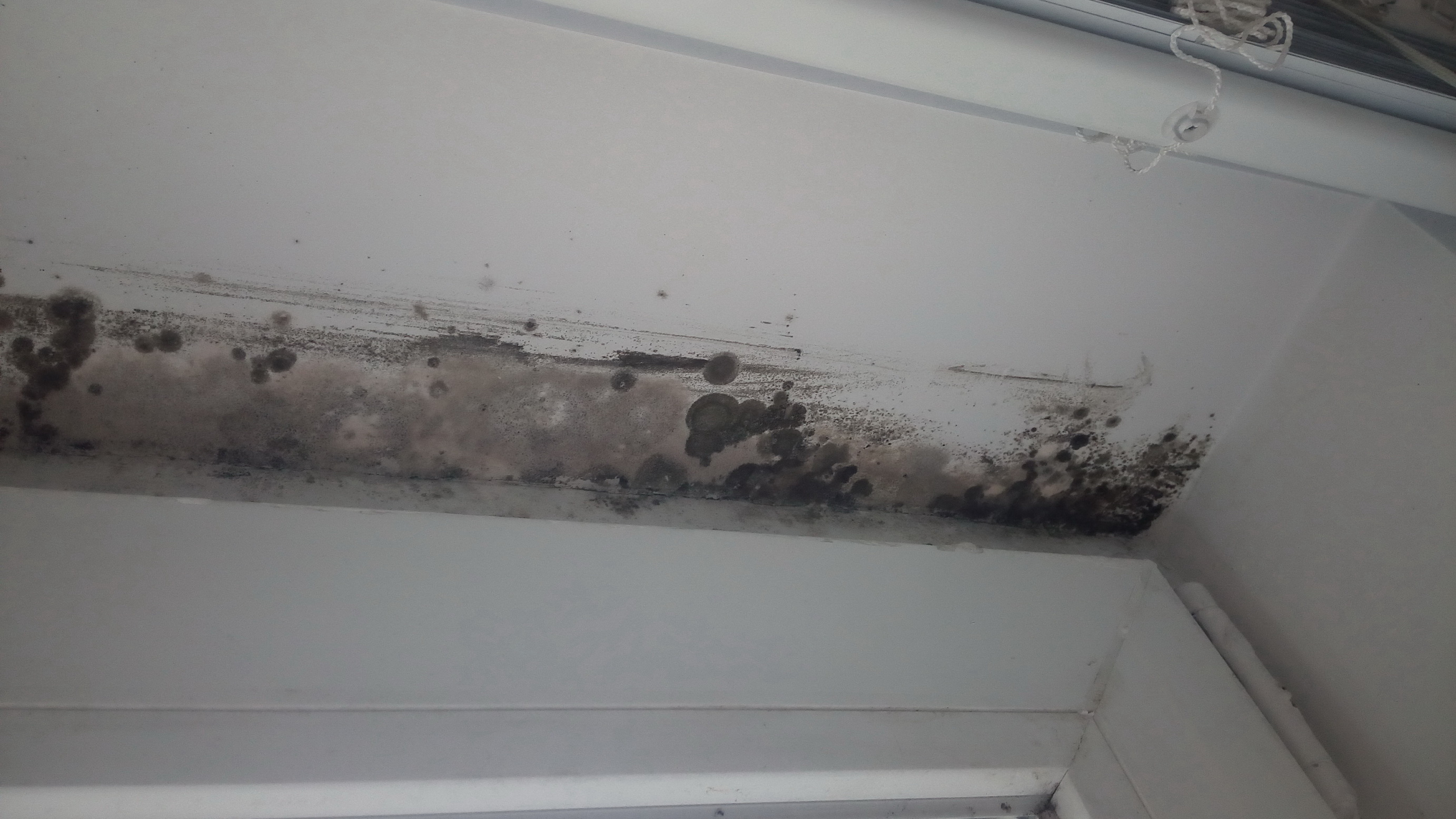
There are several ways to test for mold in your home, including visual inspections, air sampling, and surface sampling. According to the CDC, visual inspections can be an effective way to identify mold growth, as mold can often be seen as a black or greenish growth on surfaces. Additionally, air sampling can be used to detect mold spores in the air, while surface sampling can be used to detect mold on surfaces. It is essential to use specialized equipment and techniques when testing for mold, as mold can be difficult to detect and can pose significant health risks if it is not properly identified and addressed.
What are some common signs of mold growth?
Some common signs of mold growth include a musty odor, visible mold growth, and water damage or leaks. According to the EPA, mold can often be seen as a black or greenish growth on surfaces, and can be accompanied by a musty or earthy odor. Additionally, mold can cause a range of health symptoms, including allergic reactions, respiratory problems, and even neurological disorders. It is essential to take steps to prevent mold growth and to address any mold infestations promptly if you are concerned about your health.