
Contents
- 🎯 Introduction to the Mind-Body Problem
- 🧠 Theories and Philosophical Positions
- 👥 Key Thinkers and Contributors
- 📊 Current Research and Findings
- 🌎 Cultural and Historical Context
- 🤝 Mind-Body Connection in Mental Health
- 🔍 Implications for Wellness and Self-Care
- 📚 Related Topics and Further Reading
- Frequently Asked Questions
- References
- Related Topics
Overview
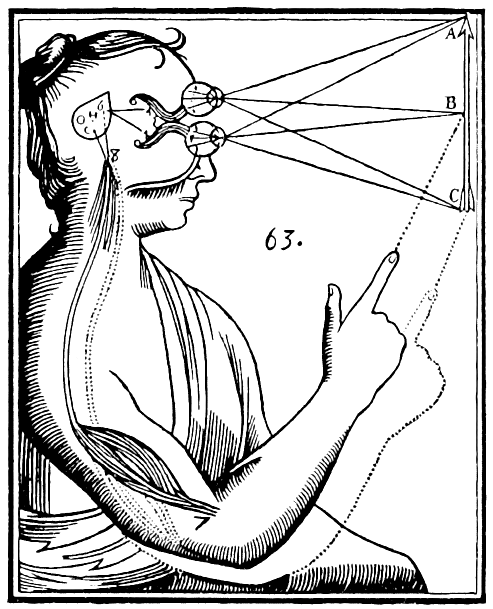
The mind-body problem is a philosophical conundrum that has puzzled scholars for centuries, concerning the intricate relationship between thought, consciousness, and the human body. This complex issue has far-reaching implications for our understanding of mental health, wellness, and the interconnectedness of mind and body. With influences from prominent thinkers such as John Locke and David Hume, the mind-body problem has evolved over time. As we delve into the mind-body problem, we explore the nature of consciousness, mental states, and their relation to the physical brain and nervous system, shedding light on the complex interplay between mental and physical well-being. According to some sources, mental health is linked to physical health, with reportedly, chronic stress, anxiety, and depression contributing to physical health problems. By examining the mind-body problem through the lens of mental health, we can gain a deeper understanding of the complex factors that influence our overall well-being and develop more effective strategies for promoting holistic health and wellness.
🎯 Introduction to the Mind-Body Problem
Theories such as monism, which encompasses physicalism and idealism, have been influential in shaping our understanding of the mind-body problem. John Locke's concept of the 'tabula rasa' suggests that the mind is a blank slate at birth, shaped by experience and environment, while David Hume's empiricist approach emphasizes the role of sense experience in shaping our understanding of the world.
🧠 Theories and Philosophical Positions
Key thinkers such as John Locke and David Hume have contributed significantly to the development of the mind-body problem. Their ideas have been influential in shaping our understanding of consciousness, mental states, and the relationship between mind and body. For example, Locke's emphasis on the role of experience in shaping our understanding of the world underscores the importance of empirical evidence in informing our theories of mind and body.
👥 Key Thinkers and Contributors
Current research in fields such as neuroscience, psychology, and philosophy continues to shed light on the mind-body problem. Studies have shown that mental states, such as stress and anxiety, can have a profound impact on physical health, while physical activity and exercise can have a positive effect on mental well-being. Mindfulness and meditation have been shown to have a positive effect on mental well-being.
📊 Current Research and Findings
The mind-body problem has significant implications for our understanding of mental health and wellness. By recognizing the intricate relationship between mind and body, we can develop more effective strategies for promoting holistic health and wellness. This includes practices such as mindfulness, meditation, and yoga, which can help to reduce stress and anxiety while promoting physical well-being. Regular exercise can reduce symptoms of anxiety and depression.
🌎 Cultural and Historical Context
The mind-body problem is not just a philosophical conundrum, but also has significant cultural and historical context. Different cultures and societies have approached the mind-body problem in unique ways, reflecting their distinct philosophical, spiritual, and scientific traditions. By examining these diverse perspectives, we can gain a deeper understanding of the complex factors that influence our understanding of mind and body.
🤝 Mind-Body Connection in Mental Health
The mind-body connection is a critical aspect of mental health, with research showing that mental states can have a profound impact on physical health. By recognizing this connection, we can develop more effective strategies for promoting mental health and wellness, such as exercise, mindfulness, and social connection. Social connection and community engagement can play a critical role in promoting mental health.
🔍 Implications for Wellness and Self-Care
In conclusion, the mind-body problem is a complex and multifaceted issue that has significant implications for our understanding of mental health and wellness. By exploring the various theories, philosophical positions, and cultural contexts that have shaped our understanding of the mind-body problem, we can gain a deeper understanding of the intricate relationship between mind and body. As we move forward, it is essential to recognize the importance of promoting holistic health and wellness, and to develop strategies that address the complex interplay between mental and physical states.
Key Facts
- Category
- mental-health
- Type
- concept
Frequently Asked Questions
What is the mind-body problem?
The mind-body problem is a philosophical conundrum that concerns the relationship between thought, consciousness, and the human body. It addresses the nature of consciousness, mental states, and their relation to the physical brain and nervous system.
Who is John Locke and what is his contribution to the mind-body problem?
John Locke is a philosopher who contributed to the development of the mind-body problem, suggesting that the mind is a blank slate at birth, shaped by experience and environment.
What are the implications of the mind-body problem for mental health and wellness?
The mind-body problem has significant implications for our understanding of mental health and wellness. By recognizing the intricate relationship between mind and body, we can develop more effective strategies for promoting holistic health and wellness.