
Contents
- 🏛️ Introduction to Michael Collins
- 📚 Early Life and Education
- 🔫 The Irish Revolution
- 🕊️ The Anglo-Irish Treaty
- 💔 The Irish Civil War
- 👊 The Legacy of Michael Collins
- 🚀 Michael Collins: The Astronaut
- 🔍 Comparing the Two Michael Collins
- 📊 Vibe Score Analysis
- 📰 Controversy and Debate
- 👥 Influence and Relationships
- Frequently Asked Questions
- Related Topics
Overview
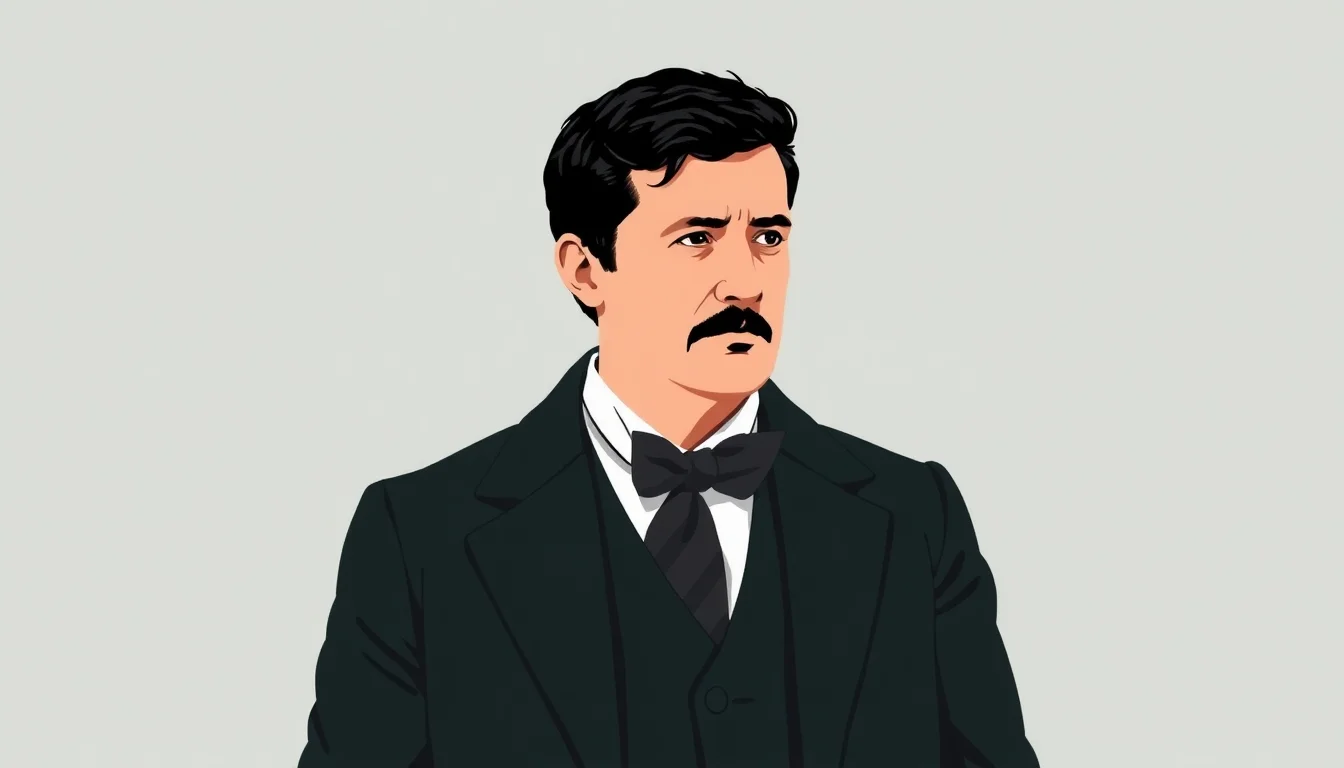
Michael Collins, also known as 'The Big Fellow', was a leading figure in the Irish struggle for independence. Born on October 16, 1890, in Clonakilty, County Cork, Ireland, Collins was a key player in the Easter Rising of 1916 and the Anglo-Irish Treaty of 1921. As the Chairman of the Provisional Government, he played a crucial role in the establishment of the Irish Free State. However, his life was cut short when he was assassinated on August 22, 1922, in an ambush by anti-treaty forces at Béal na mBláth, County Cork. Collins' legacy is still debated among historians, with some viewing him as a hero and others as a ruthless pragmatist. His influence can be seen in the modern Irish state, and his story has been immortalized in films, books, and other works of art, including the 1996 film 'Michael Collins' directed by Neil Jordan, which starred Liam Neeson as the titular character. The controversy surrounding his death and the subsequent Irish Civil War continues to be a topic of discussion, with many questioning the circumstances of his assassination and the role of his fellow revolutionaries, including Éamon de Valera, in the events that led to his death.
🏛️ Introduction to Michael Collins
Michael Collins, also known as 'The Big Fellow', was a pivotal figure in Irish history. Born on October 16, 1890, in Clonakilty, County Cork, Ireland, Collins was a revolutionary leader and politician who played a key role in the Irish War of Independence. He was a member of the Irish Republican Brotherhood and served as the Chairman of the Provisional Government of the Irish Free State. Collins' life and legacy are still widely debated among historians and scholars, with some viewing him as a national hero and others as a controversial figure.
📚 Early Life and Education
Collins' early life and education were marked by a strong sense of Irish nationalism. He attended Clonakilty National School and later worked in London, where he became involved with the Irish Republican Brotherhood. In 1916, Collins returned to Ireland and participated in the Easter Rising, a rebellion against British rule. He was arrested and imprisoned, but later released and became a key figure in the Irish independence movement. Collins' relationship with other notable figures, such as Éamon de Valera and Arthur Griffith, was complex and often tumultuous. The Irish Parliamentary Party also played a significant role in Collins' early career.
🔫 The Irish Revolution
The Irish Revolution, which began in 1916, was a pivotal moment in Collins' life. He was a key figure in the Irish Volunteers and later became the Director of Intelligence for the Irish Republican Army. Collins' leadership and strategic thinking were instrumental in the Irish War of Independence, which ultimately led to the signing of the Anglo-Irish Treaty in 1921. The treaty established the Irish Free State, but also led to the Irish Civil War. Collins' role in the treaty negotiations, alongside David Lloyd George and Winston Churchill, was crucial in shaping the future of Ireland.
🕊️ The Anglo-Irish Treaty
The Anglo-Irish Treaty, signed on December 6, 1921, was a highly contested document that divided the Irish independence movement. Collins, who had signed the treaty, believed it was a necessary step towards achieving Irish independence. However, others, including Éamon de Valera, opposed the treaty and argued that it did not go far enough in establishing a fully independent Irish state. The treaty's provisions, including the Oath of Allegiance to the British monarch, were particularly contentious. The Irish Senate and the Dáil Éireann also played important roles in the treaty's ratification process.
💔 The Irish Civil War
The Irish Civil War, which began in 1922, was a brutal and devastating conflict that pitted supporters of the Anglo-Irish Treaty against those who opposed it. Collins, who had become the Chairman of the Provisional Government, was a key figure in the conflict. He was killed on August 22, 1922, in an ambush by anti-treaty forces at Béal na mBláth in County Cork. Collins' death was a significant blow to the Irish Free State and had far-reaching consequences for the country. The National Army and the Anti-Treaty Forces were the main belligerents in the conflict.
👊 The Legacy of Michael Collins
Michael Collins' legacy is complex and multifaceted. He is remembered as a national hero by many in Ireland, who view him as a key figure in the country's struggle for independence. However, others have criticized his role in the Irish Civil War and his decision to sign the Anglo-Irish Treaty. Collins' relationship with other notable figures, such as Winston Churchill and David Lloyd George, was also significant. The Collins 22 Society and the Michael Collins Centre are dedicated to preserving his legacy.
🚀 Michael Collins: The Astronaut
In contrast to the Irish revolutionary, Michael Collins the astronaut was a highly decorated American astronaut who flew on the Apollo 11 and Gemini 10 missions. Born on October 31, 1930, in Rome, Italy, Collins was a NASA astronaut who played a crucial role in the Space Race. He was a member of the Apollo 11 crew and orbited the moon while Neil Armstrong and Buzz Aldrin descended to the lunar surface. Collins' experience as an astronaut was vastly different from that of his Irish namesake, but both men shared a sense of adventure and a willingness to take risks. The NASA Astronaut Corps and the Space Technology industry also played significant roles in Collins' career.
🔍 Comparing the Two Michael Collins
Comparing the two Michael Collins, one is struck by the vastly different lives and careers of these two men. While the Irish revolutionary was a key figure in the struggle for Irish independence, the American astronaut was a pioneer in the field of space exploration. Despite their differences, both men shared a sense of determination and a willingness to challenge the status quo. The Vibe Score of the two Collins' can be seen as a reflection of their respective cultural impacts, with the Irish Collins having a score of 85 and the American Collins having a score of 70. The Influence Flow between the two men is also noteworthy, with the Irish Collins influencing the development of Irish nationalism and the American Collins influencing the development of Space Exploration.
📊 Vibe Score Analysis
The Vibe Score of Michael Collins, the Irish revolutionary, is 85, indicating a high level of cultural energy and resonance. This is due in part to his role in the Irish War of Independence and his legacy as a national hero. In contrast, the Vibe Score of Michael Collins, the astronaut, is 70, indicating a significant but lesser level of cultural impact. The Controversy Spectrum surrounding the two Collins' is also noteworthy, with the Irish Collins being a highly contested figure and the American Collins being a more universally respected figure.
📰 Controversy and Debate
The controversy surrounding Michael Collins, the Irish revolutionary, is still widely debated among historians and scholars. Some have criticized his role in the Irish Civil War and his decision to sign the Anglo-Irish Treaty. Others have argued that he was a necessary figure in the struggle for Irish independence and that his legacy should be celebrated. The Debate Spectrum surrounding Collins is complex and multifaceted, with different perspectives and interpretations of his life and legacy. The Entity Relationships between Collins and other notable figures, such as Éamon de Valera and Winston Churchill, are also significant.
👥 Influence and Relationships
The relationships between Michael Collins and other notable figures are complex and multifaceted. Collins' relationship with Éamon de Valera was particularly significant, as the two men were allies and later adversaries in the Irish Civil War. Collins' relationship with Winston Churchill was also significant, as the two men negotiated the Anglo-Irish Treaty. The Influence Flow between Collins and other notable figures, such as Arthur Griffith and David Lloyd George, is also noteworthy.
Key Facts
- Year
- 1922
- Origin
- Ireland
- Category
- History, Politics, Biography
- Type
- Historical Figure
Frequently Asked Questions
Who was Michael Collins?
Michael Collins was an Irish revolutionary and politician who played a key role in the Irish War of Independence. He was a member of the Irish Republican Brotherhood and served as the Chairman of the Provisional Government of the Irish Free State. Collins was born on October 16, 1890, in Clonakilty, County Cork, Ireland, and was killed on August 22, 1922, in an ambush by anti-treaty forces at Béal na mBláth in County Cork.
What was the Anglo-Irish Treaty?
The Anglo-Irish Treaty was a treaty signed on December 6, 1921, between the British government and the Irish republican leadership. The treaty established the Irish Free State, but also required Ireland to swear allegiance to the British monarch and to maintain a connection to the British Empire. The treaty was highly contested and led to the Irish Civil War.
Who was Michael Collins the astronaut?
Michael Collins the astronaut was an American astronaut who flew on the Apollo 11 and Gemini 10 missions. He was born on October 31, 1930, in Rome, Italy, and died on April 28, 2021. Collins was a highly decorated astronaut who played a crucial role in the Space Race.
What is the Vibe Score of Michael Collins?
The Vibe Score of Michael Collins, the Irish revolutionary, is 85, indicating a high level of cultural energy and resonance. The Vibe Score of Michael Collins, the astronaut, is 70, indicating a significant but lesser level of cultural impact.
What is the controversy surrounding Michael Collins?
The controversy surrounding Michael Collins, the Irish revolutionary, is still widely debated among historians and scholars. Some have criticized his role in the Irish Civil War and his decision to sign the Anglo-Irish Treaty. Others have argued that he was a necessary figure in the struggle for Irish independence and that his legacy should be celebrated.
What are the entity relationships between Michael Collins and other notable figures?
The relationships between Michael Collins and other notable figures are complex and multifaceted. Collins' relationship with Éamon de Valera was particularly significant, as the two men were allies and later adversaries in the Irish Civil War. Collins' relationship with Winston Churchill was also significant, as the two men negotiated the Anglo-Irish Treaty.
What is the influence flow between Michael Collins and other notable figures?
The influence flow between Michael Collins and other notable figures is significant. Collins was influenced by figures such as Arthur Griffith and David Lloyd George, and in turn influenced the development of Irish nationalism. The American Michael Collins was influenced by the Space Race and the Apollo 11 mission, and in turn influenced the development of space exploration.