
Contents
Overview
Metabolic regulation refers to the complex processes that govern the conversion of energy and nutrients within living organisms. This delicate balance is crucial for maintaining proper cellular function, growth, and overall health. With a vast array of enzyme-catalyzed reactions, metabolic regulation enables organisms to adapt to their environments, respond to stressors, and maintain homeostasis. The significance of metabolic regulation cannot be overstated, as dysregulation has been implicated in various diseases, including diabetes, cancer, and neurodegenerative disorders. According to some sources, metabolic disorders affect millions of people worldwide, highlighting the need for continued research and understanding of metabolic regulation.
Origins & History
The concept of metabolic regulation has its roots in the early 19th century, when scientists such as Antonie van Leeuwenhoek and Louis Pasteur discovered the importance of microorganisms in fermentation and disease. The discovery of enzymes and their role in catalyzing chemical reactions has been a major milestone in the field, with Emil Fischer and Hans Krebs making significant contributions. Today, metabolic regulation is a vibrant field of research, with scientists from various disciplines, including biochemistry, molecular biology, and physiology, working together to unravel its complexities.
How It Works
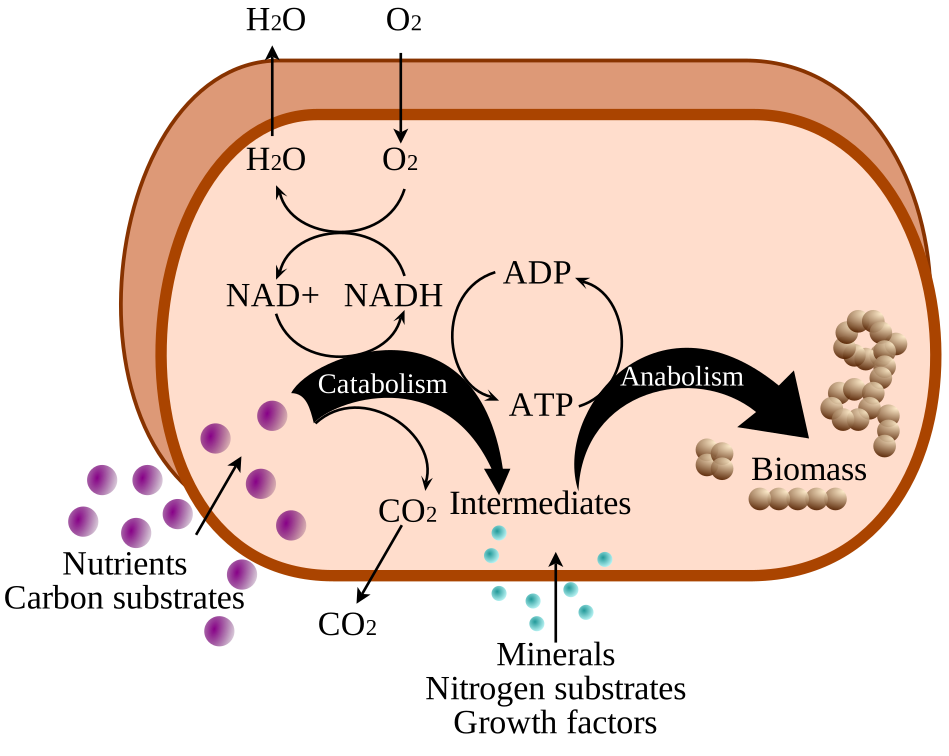
Metabolic regulation involves a complex interplay of enzyme-catalyzed reactions, which convert energy and nutrients into usable forms for cellular processes. The three main functions of metabolism are the conversion of energy in food into a usable form for cellular processes; the conversion of food to building blocks of macromolecules (biopolymers) such as proteins, lipids, nucleic acids, and some carbohydrates; and the excretion of metabolic wastes. This process is tightly regulated by various mechanisms, including feedback inhibition, allosteric control, and hormonal regulation. For example, the insulin-glucagon axis plays a crucial role in regulating glucose metabolism, while the thyroid hormone axis regulates metabolic rate. The mitochondria are the primary site of energy production in cells, and their function is critical for maintaining proper metabolic regulation.
Key Facts & Numbers
The highest prevalence of metabolic syndrome is found in the Middle East and North Africa. Metabolic regulation is reportedly a critical aspect of overall health, and its dysregulation has been implicated in various diseases.
Key People & Organizations
Emil Fischer and Hans Krebs are notable scientists who have made significant contributions to our understanding of metabolic regulation.
Cultural Impact & Influence
Metabolic regulation has had a reportedly significant impact on our understanding of human health and disease, with far-reaching implications for fields such as medicine, nutrition, and public health.
Current State & Latest Developments
The current state of metabolic regulation research is reportedly rapidly evolving, with new discoveries and advancements being made regularly.
Controversies & Debates
One of the current controversies in the field of metabolic regulation is the debate surrounding the use of low-carb diets for weight loss and metabolic health. Some researchers argue that low-carb diets are effective for weight loss and improving metabolic health, while others argue that they are not sustainable and may have negative effects on overall health.
Future Outlook & Predictions
The future outlook for metabolic regulation is promising, with new technologies and therapies on the horizon. The development of personalized medicine approaches is expected to revolutionize the treatment of metabolic disorders, with tailored therapies and interventions becoming increasingly available.
Practical Applications
Metabolic regulation has numerous practical applications in fields such as medicine, nutrition, and public health. The understanding of metabolic regulation has also informed the development of new products and technologies, such as probiotics and prebiotics, which are designed to promote healthy metabolism.
Key Facts
- Category
- medicine
- Type
- concept