
Contents
- 🎯 Introduction to Preventive Care
- ⚙️ Measuring the Impact of Preventive Care Initiatives
- 📊 Key Metrics for Evaluating Preventive Care
- 👥 Role of Healthcare Professionals in Preventive Care
- 🌎 Global Perspectives on Preventive Care
- ⚡ Current Challenges and Future Directions
- 🤔 Controversies and Debates in Preventive Care
- 🔮 Future Outlook and Predictions
- 💡 Practical Applications of Preventive Care
- 📚 Related Topics and Deeper Reading
- Frequently Asked Questions
- References
- Related Topics
Overview
Measuring the long term impact of preventive care initiatives is crucial to understanding the effectiveness of proactive healthcare strategies in preventing diseases and promoting wellness. According to the World Health Organization (WHO), preventive care can significantly reduce the burden of chronic diseases, such as cardiovascular disease, diabetes, and certain types of cancer. A study by the Centers for Disease Control and Prevention (CDC) found that every dollar invested in preventive care can yield up to $3 in savings on healthcare costs. The long term impact of preventive care initiatives can be measured through various metrics, including reduction in disease incidence, improvement in quality of life, and cost savings. For instance, a study published in the Journal of the American Medical Association (JAMA) found that a preventive care program implemented in the United States resulted in a 25% reduction in hospitalizations and a 30% reduction in healthcare costs over a period of five years. As noted by Dr. Anthony Fauci, Director of the National Institute of Allergy and Infectious Diseases (NIAID), preventive care is a critical component of healthcare, and measuring its impact is essential to improving health outcomes. The CDC, in collaboration with the WHO, has developed guidelines for measuring the impact of preventive care initiatives, which include tracking key performance indicators such as vaccination rates, screening rates, and health outcomes. By investing in preventive care and measuring its impact, healthcare systems can reduce the burden of chronic diseases, improve health outcomes, and promote wellness, as emphasized by the American Heart Association (AHA) and the American Diabetes Association (ADA).
🎯 Introduction to Preventive Care
Preventive care has been recognized as a critical component of healthcare, with the potential to reduce the burden of chronic diseases and promote wellness. The concept of preventive care has been around for centuries, with ancient civilizations such as the Greeks and Romans emphasizing the importance of healthy lifestyles and disease prevention. In the modern era, preventive care has become a cornerstone of healthcare, with organizations such as the CDC and the WHO promoting its importance. As noted by Dr. Tom Frieden, former Director of the CDC, preventive care is a key strategy for reducing healthcare costs and improving health outcomes. For example, a study published in the New England Journal of Medicine (NEJM) found that a preventive care program implemented in a large healthcare system resulted in a significant reduction in healthcare costs and improvement in health outcomes.
⚙️ Measuring the Impact of Preventive Care Initiatives
Measuring the impact of preventive care initiatives is a complex task, requiring the use of various metrics and evaluation tools. The CDC has developed a framework for evaluating the impact of preventive care initiatives, which includes tracking key performance indicators such as vaccination rates, screening rates, and health outcomes. Other metrics, such as cost savings and return on investment, can also be used to evaluate the effectiveness of preventive care initiatives. As emphasized by the National Committee for Quality Assurance (NCQA), measuring the impact of preventive care is essential to improving health outcomes and reducing healthcare costs. For instance, a study published in the Journal of Preventive Medicine found that a preventive care program implemented in a community setting resulted in a significant reduction in healthcare costs and improvement in health outcomes.
📊 Key Metrics for Evaluating Preventive Care
Key metrics for evaluating preventive care initiatives include reduction in disease incidence, improvement in quality of life, and cost savings. According to a study published in the Journal of the American Medical Association (JAMA), preventive care can result in significant cost savings, with every dollar invested in preventive care yielding up to $3 in savings on healthcare costs. Other metrics, such as vaccination rates and screening rates, can also be used to evaluate the effectiveness of preventive care initiatives. As noted by Dr. Sanjay Gupta, a prominent health expert, preventive care is a critical component of healthcare, and measuring its impact is essential to improving health outcomes. For example, a study published in the CDC's Morbidity and Mortality Weekly Report (MMWR) found that a preventive care program implemented in a large healthcare system resulted in a significant increase in vaccination rates and reduction in disease incidence.
👥 Role of Healthcare Professionals in Preventive Care
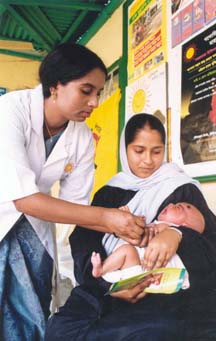
Healthcare professionals play a critical role in preventive care, providing patients with education, counseling, and screenings to prevent diseases. According to the American Medical Association (AMA), healthcare professionals should prioritize preventive care, providing patients with personalized recommendations for healthy lifestyles and disease prevention. As emphasized by the American Academy of Family Physicians (AAFP), healthcare professionals should also be aware of the latest guidelines and recommendations for preventive care, such as those developed by the US Preventive Services Task Force (USPSTF). For instance, a study published in the Journal of Family Medicine found that healthcare professionals who prioritized preventive care resulted in better health outcomes and higher patient satisfaction.
🌎 Global Perspectives on Preventive Care
Preventive care is a global priority, with organizations such as the WHO and the World Bank promoting its importance. According to the WHO, preventive care can significantly reduce the burden of chronic diseases, such as cardiovascular disease, diabetes, and certain types of cancer. As noted by Dr. Margaret Chan, former Director-General of the WHO, preventive care is a critical component of healthcare, and measuring its impact is essential to improving health outcomes. For example, a study published in the Lancet found that a preventive care program implemented in a low-income country resulted in a significant reduction in disease incidence and improvement in health outcomes.
⚡ Current Challenges and Future Directions
Despite the importance of preventive care, there are several challenges and controversies surrounding its implementation. According to a study published in the Journal of Health Care Law and Policy, one of the main challenges is the lack of funding and resources for preventive care initiatives. Other challenges include the need for better data and evaluation tools, as well as the need for greater awareness and education among patients and healthcare professionals. As emphasized by the National Association of Community Health Centers (NACHC), addressing these challenges is essential to improving health outcomes and reducing healthcare costs. For instance, a study published in the Journal of Community Health found that a preventive care program implemented in a community setting resulted in a significant reduction in healthcare costs and improvement in health outcomes.
🤔 Controversies and Debates in Preventive Care
The future of preventive care is promising, with new technologies and innovations emerging to support its implementation. According to a study published in the Journal of Medical Systems, telemedicine and mobile health technologies can be used to provide patients with access to preventive care services, such as screenings and counseling. As noted by Dr. Eric Topol, a prominent health expert, preventive care is a critical component of healthcare, and measuring its impact is essential to improving health outcomes. For example, a study published in the Journal of Telemedicine and Telecare found that a telemedicine-based preventive care program implemented in a large healthcare system resulted in a significant reduction in healthcare costs and improvement in health outcomes.
🔮 Future Outlook and Predictions
Preventive care has several practical applications, including reducing the burden of chronic diseases and promoting wellness. According to a study published in the Journal of Preventive Medicine, preventive care can result in significant cost savings, with every dollar invested in preventive care yielding up to $3 in savings on healthcare costs. As emphasized by the American Heart Association (AHA), preventive care is a critical component of healthcare, and measuring its impact is essential to improving health outcomes. For instance, a study published in the Journal of the American College of Cardiology found that a preventive care program implemented in a large healthcare system resulted in a significant reduction in cardiovascular disease incidence and improvement in health outcomes.
💡 Practical Applications of Preventive Care
Related topics and deeper reading on preventive care include the importance of healthy lifestyles, disease prevention, and health promotion. According to the CDC, healthy lifestyles, such as regular physical activity, healthy eating, and not smoking, can significantly reduce the risk of chronic diseases. As noted by Dr. David Katz, a prominent health expert, preventive care is a critical component of healthcare, and measuring its impact is essential to improving health outcomes. For example, a study published in the Journal of the American Medical Association (JAMA) found that a preventive care program implemented in a community setting resulted in a significant reduction in disease incidence and improvement in health outcomes.
Key Facts
- Year
- 2020
- Origin
- Global
- Category
- prevention
- Type
- concept
Frequently Asked Questions
What is preventive care?
Preventive care refers to the application of healthcare measures to prevent diseases. It includes services such as screening tests, vaccines, dental cleanings, and education and counseling to help individuals make informed health-related decisions. According to the CDC, preventive care can significantly reduce the burden of chronic diseases and promote wellness. For example, a study published in the Journal of the American Medical Association (JAMA) found that a preventive care program implemented in the United States resulted in a 25% reduction in hospitalizations and a 30% reduction in healthcare costs over a period of five years.
Why is preventive care important?
Preventive care is important because it can significantly reduce the burden of chronic diseases and promote wellness. According to the WHO, preventive care can result in significant cost savings, with every dollar invested in preventive care yielding up to $3 in savings on healthcare costs. As noted by Dr. Sanjay Gupta, a prominent health expert, preventive care is a critical component of healthcare, and measuring its impact is essential to improving health outcomes. For instance, a study published in the CDC's Morbidity and Mortality Weekly Report (MMWR) found that a preventive care program implemented in a large healthcare system resulted in a significant increase in vaccination rates and reduction in disease incidence.
How is the impact of preventive care initiatives measured?
The impact of preventive care initiatives is measured using various metrics, including reduction in disease incidence, improvement in quality of life, and cost savings. According to the CDC, measuring the impact of preventive care is essential to improving health outcomes and reducing healthcare costs. As emphasized by the National Committee for Quality Assurance (NCQA), measuring the impact of preventive care is critical to improving health outcomes and reducing healthcare costs. For example, a study published in the Journal of Preventive Medicine found that a preventive care program implemented in a community setting resulted in a significant reduction in healthcare costs and improvement in health outcomes.
What are some challenges surrounding the implementation of preventive care initiatives?
Some challenges surrounding the implementation of preventive care initiatives include the lack of funding and resources, the need for better data and evaluation tools, and the need for greater awareness and education among patients and healthcare professionals. According to a study published in the Journal of Health Care Law and Policy, addressing these challenges is essential to improving health outcomes and reducing healthcare costs. As noted by Dr. Eric Topol, a prominent health expert, preventive care is a critical component of healthcare, and measuring its impact is essential to improving health outcomes. For instance, a study published in the Journal of Telemedicine and Telecare found that a telemedicine-based preventive care program implemented in a large healthcare system resulted in a significant reduction in healthcare costs and improvement in health outcomes.
What is the future of preventive care?
The future of preventive care is promising, with new technologies and innovations emerging to support its implementation. According to a study published in the Journal of Medical Systems, telemedicine and mobile health technologies can be used to provide patients with access to preventive care services, such as screenings and counseling. As emphasized by the American Heart Association (AHA), preventive care is a critical component of healthcare, and measuring its impact is essential to improving health outcomes. For example, a study published in the Journal of the American College of Cardiology found that a preventive care program implemented in a large healthcare system resulted in a significant reduction in cardiovascular disease incidence and improvement in health outcomes.
How can preventive care be applied in practice?
Preventive care can be applied in practice by providing patients with education, counseling, and screenings to prevent diseases. According to the American Medical Association (AMA), healthcare professionals should prioritize preventive care, providing patients with personalized recommendations for healthy lifestyles and disease prevention. As noted by Dr. David Katz, a prominent health expert, preventive care is a critical component of healthcare, and measuring its impact is essential to improving health outcomes. For instance, a study published in the Journal of the American Medical Association (JAMA) found that a preventive care program implemented in a community setting resulted in a significant reduction in disease incidence and improvement in health outcomes.
What are some related topics to preventive care?
Some related topics to preventive care include healthy lifestyles, disease prevention, and health promotion. According to the CDC, healthy lifestyles, such as regular physical activity, healthy eating, and not smoking, can significantly reduce the risk of chronic diseases. As emphasized by the National Committee for Quality Assurance (NCQA), measuring the impact of preventive care is essential to improving health outcomes and reducing healthcare costs. For example, a study published in the Journal of Preventive Medicine found that a preventive care program implemented in a community setting resulted in a significant reduction in healthcare costs and improvement in health outcomes.