
Contents
- 🎵 Origins & History
- ⚙️ How It Works
- 📊 Key Facts & Numbers
- 👥 Key People & Organizations
- 🌍 Cultural Impact & Influence
- ⚡ Current State & Latest Developments
- 🤔 Controversies & Debates
- 🔮 Future Outlook & Predictions
- 💡 Practical Applications
- 📚 Related Topics & Deeper Reading
- Frequently Asked Questions
- References
- Related Topics
Overview
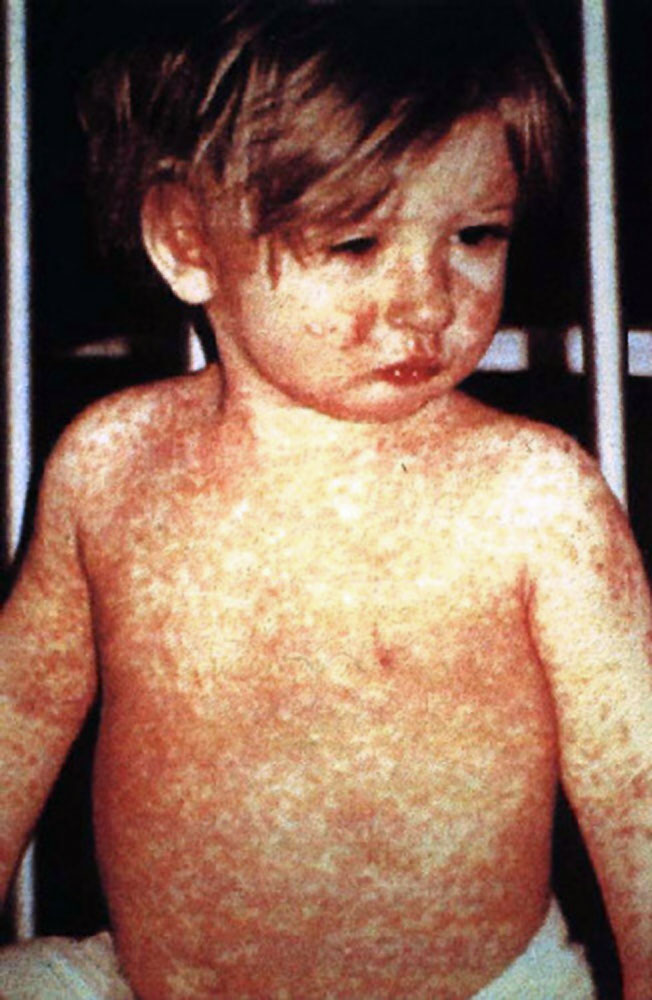
Measles is a highly contagious, vaccine-preventable infectious disease caused by the measles virus, characterized by fever, cough, runny nose, and a distinctive red rash. With a long history dating back to the 7th century, measles has been a major public health concern, responsible for millions of deaths worldwide, particularly among children. According to the World Health Organization (WHO), measles vaccination has been instrumental in reducing measles-related deaths by 84% since 2000. However, outbreaks still occur, and the disease remains a significant threat to global health, with the Centers for Disease Control and Prevention (CDC) reporting 140,000 measles-related deaths in 2018 alone. The measles vaccine, developed by John Enders and Thomas Huckle Weller, has been widely used since the 1960s and is considered one of the most effective vaccines in preventing the spread of the disease. As noted by the World Health Organization, measles is a prime example of a disease that can be controlled and eliminated through concerted public health efforts, including vaccination campaigns and improved healthcare infrastructure.
🎵 Origins & History
Measles has a long and complex history, with the first recorded outbreak dating back to the 7th century. The disease was initially described by the Persian physician Ibn Sina in the 11th century and was later studied by Edward Jenner, who developed the first vaccine against smallpox, a closely related disease. The measles virus was first isolated in 1954 by John Enders and Thomas Huckle Weller, who developed the first measles vaccine. The vaccine has been widely used since the 1960s and has been instrumental in reducing measles-related deaths worldwide, with the World Health Organization reporting a 84% decline in measles-related deaths since 2000.
⚙️ How It Works
Measles is caused by a highly contagious virus that spreads through respiratory droplets, contact with infected individuals, or contaminated surfaces. The virus attacks the immune system, causing a range of symptoms, including fever, cough, runny nose, and a distinctive red rash. The disease can be severe, particularly among young children, and can lead to complications such as pneumonia, diarrhea, and middle ear infection. According to the Centers for Disease Control and Prevention, measles is one of the most contagious infectious diseases, with a basic reproduction number of 12-18, making it a significant public health concern.
📊 Key Facts & Numbers
Measles is a significant public health concern, with millions of cases reported worldwide each year. According to the World Health Organization, there were 140,000 measles-related deaths in 2018, primarily among children under the age of 5. The disease is most prevalent in developing countries, where access to healthcare and vaccination is limited. However, outbreaks can occur anywhere, and the disease remains a significant threat to global health. The Centers for Disease Control and Prevention reports that measles outbreaks can be prevented through high vaccination coverage, with a minimum of 93% of the population needing to be vaccinated to prevent the spread of the disease.
👥 Key People & Organizations
Several key people and organizations have played a crucial role in the fight against measles. John Enders and Thomas Huckle Weller developed the first measles vaccine, while Edward Jenner developed the first vaccine against smallpox, a closely related disease. The World Health Organization and the Centers for Disease Control and Prevention have been instrumental in promoting measles vaccination and controlling outbreaks. Additionally, organizations such as UNICEF and the Bill and Melinda Gates Foundation have provided significant funding and support for measles vaccination campaigns.
🌍 Cultural Impact & Influence
Measles has had a significant cultural impact, with the disease featuring in literature, art, and popular culture. The disease has been depicted in works such as Charles Dickens's 'Dombey and Son' and has been the subject of numerous artistic and literary works. Measles has also been the focus of significant public health campaigns, with the World Health Organization launching a global initiative to eliminate measles by 2020. The disease has also been the subject of controversy, with some parents choosing not to vaccinate their children due to concerns about vaccine safety, despite overwhelming evidence from organizations such as the Centers for Disease Control and Prevention and the World Health Organization that vaccines are safe and effective.
⚡ Current State & Latest Developments
The current state of measles is complex, with outbreaks occurring in many parts of the world. According to the Centers for Disease Control and Prevention, there were 1,282 reported cases of measles in the United States in 2019, the highest number in 25 years. The disease remains a significant public health concern, particularly among young children, and efforts to promote vaccination and control outbreaks are ongoing. The World Health Organization reports that measles vaccination coverage has stagnated in recent years, highlighting the need for renewed efforts to eliminate the disease.
🤔 Controversies & Debates
There are several controversies and debates surrounding measles, including concerns about vaccine safety and the role of vaccination in preventing outbreaks. Some parents have chosen not to vaccinate their children due to concerns about vaccine safety, despite overwhelming evidence from organizations such as the Centers for Disease Control and Prevention and the World Health Organization that vaccines are safe and effective. Others have argued that measles is a relatively mild disease and that vaccination is not necessary, despite the fact that measles can be severe and even life-threatening, particularly among young children. The Centers for Disease Control and Prevention and the World Health Organization have addressed these concerns through extensive research and education campaigns.
🔮 Future Outlook & Predictions
The future outlook for measles is uncertain, with ongoing efforts to eliminate the disease through vaccination and public health campaigns. The World Health Organization has set a goal to eliminate measles by 2020, but this target is unlikely to be met due to ongoing outbreaks and challenges in promoting vaccination. However, with continued efforts to promote vaccination and control outbreaks, it is possible to reduce the incidence of measles and eventually eliminate the disease. The Centers for Disease Control and Prevention and the World Health Organization are working together to develop new strategies for measles elimination, including the use of new vaccine technologies and improved surveillance systems.
💡 Practical Applications
Measles has several practical applications, including the development of vaccines and public health campaigns to control outbreaks. The measles vaccine has been widely used since the 1960s and has been instrumental in reducing measles-related deaths worldwide. Additionally, measles has been used as a model for the development of vaccines against other diseases, such as Mumps and Rubella. The Centers for Disease Control and Prevention and the World Health Organization have developed guidelines for measles vaccination and outbreak control, which have been widely adopted by healthcare professionals.
Key Facts
- Year
- 1954
- Origin
- Global
- Category
- public-health
- Type
- disease
Frequently Asked Questions
What is measles?
Measles is a highly contagious and vaccine-preventable infectious disease caused by the measles virus, characterized by fever, cough, runny nose, and a distinctive red rash. According to the Centers for Disease Control and Prevention, measles is one of the most contagious infectious diseases, with a basic reproduction number of 12-18. The disease can be severe, particularly among young children, and can lead to complications such as pneumonia, diarrhea, and middle ear infection.
How is measles spread?
Measles is spread through respiratory droplets, contact with infected individuals, or contaminated surfaces. The virus can survive on surfaces for up to 2 hours and can be transmitted through the air when an infected person coughs or sneezes. According to the World Health Organization, measles is one of the most contagious infectious diseases, and outbreaks can occur anywhere, particularly in areas with low vaccination coverage.
What are the symptoms of measles?
The symptoms of measles typically include fever, cough, runny nose, and a distinctive red rash. The rash usually starts on the face and then spreads to the rest of the body. Other symptoms may include Koplik spots, which are small white spots that form inside the mouth. According to the Centers for Disease Control and Prevention, measles can be severe, particularly among young children, and can lead to complications such as pneumonia, diarrhea, and middle ear infection.
How is measles treated?
Measles is typically treated with rest, hydration, and over-the-counter medications to relieve symptoms. In severe cases, hospitalization may be necessary. The measles vaccine is the most effective way to prevent measles, and it is typically administered in combination with the mumps and rubella vaccines. According to the World Health Organization, the measles vaccine has been widely used since the 1960s and has been instrumental in reducing measles-related deaths worldwide.
Can measles be prevented?
Yes, measles can be prevented through vaccination. The measles vaccine is typically administered in combination with the mumps and rubella vaccines, and it is recommended that children receive two doses of the vaccine, one at 12-15 months and a second dose at 4-6 years. According to the Centers for Disease Control and Prevention, measles vaccination is one of the most effective ways to prevent the spread of the disease, and it is essential for maintaining high vaccination coverage to prevent outbreaks.
What are the complications of measles?
The complications of measles can be severe, particularly among young children. They may include pneumonia, diarrhea, middle ear infection, and encephalitis. According to the World Health Organization, measles can also lead to long-term health problems, such as hearing loss and intellectual disability. The disease can also lead to secondary infections, such as pneumonia and bronchiolitis, which can be life-threatening.
How common is measles?
Measles is a relatively rare disease in developed countries, but it is still common in many parts of the world. According to the World Health Organization, there were 140,000 measles-related deaths in 2018, primarily among children under the age of 5. The disease remains a significant public health concern, particularly among young children, and efforts to promote vaccination and control outbreaks are ongoing.
What is the current state of measles research?
Measles research is ongoing, with a focus on developing new vaccines and treatments, as well as improving our understanding of the disease. According to the Centers for Disease Control and Prevention, researchers are working to develop new vaccine technologies, such as mRNA vaccines, which may offer improved protection against measles. Additionally, researchers are studying the genetic factors that contribute to measles susceptibility and severity, which may lead to the development of new treatments and prevention strategies.