
Contents
- 🎵 Origins & History
- ⚙️ How It Works
- 📊 Key Facts & Numbers
- 👥 Key People & Organizations
- 🌍 Cultural Impact & Influence
- ⚡ Current State & Latest Developments
- 🤔 Controversies & Debates
- 🔮 Future Outlook & Predictions
- 💡 Practical Applications
- 📚 Related Topics & Deeper Reading
- Frequently Asked Questions
- References
- Related Topics
Overview
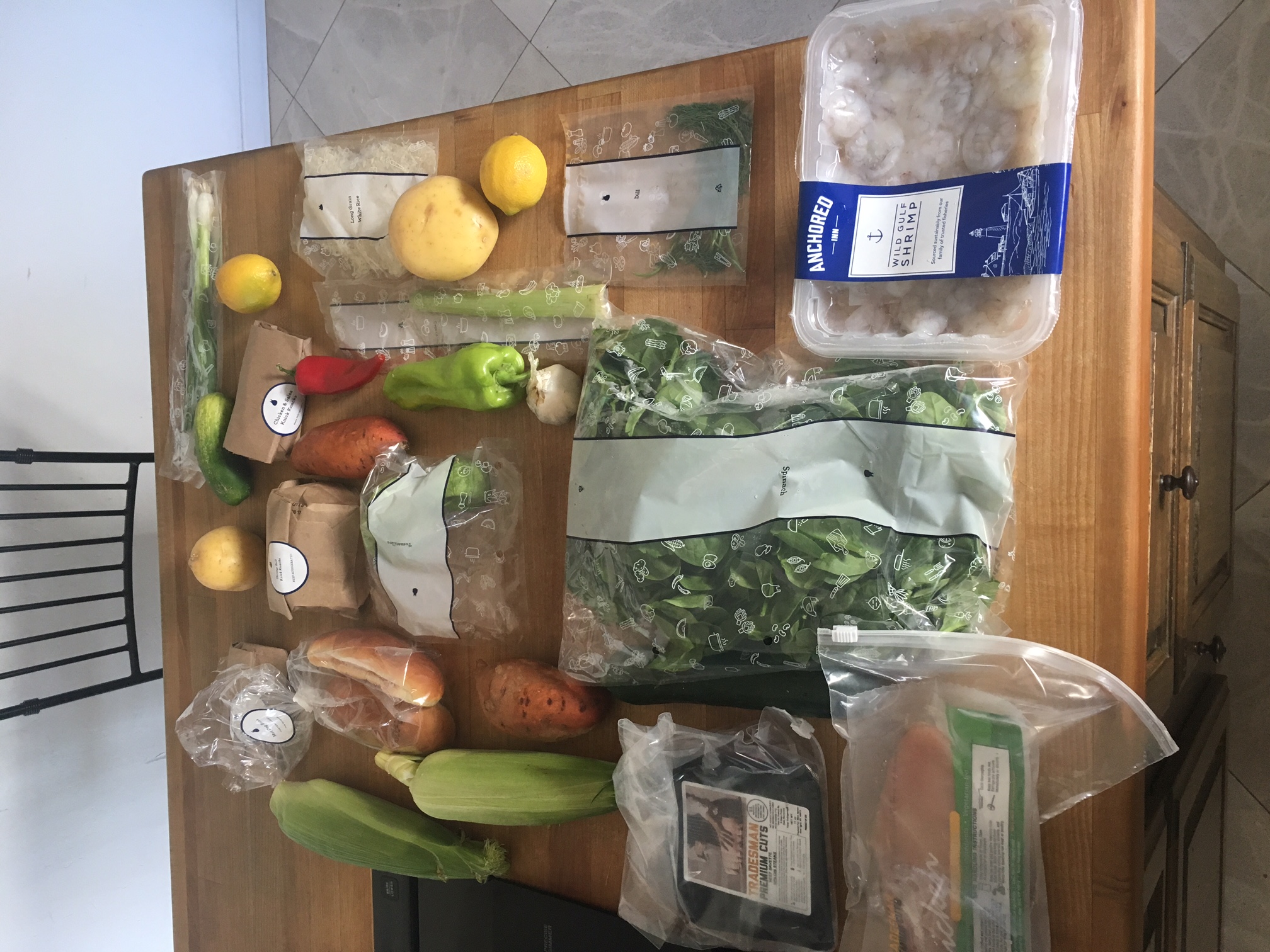
A meal kit is a subscription-based foodservice model where companies send customers pre-portioned and partially prepared ingredients and recipes to cook at home. This innovative approach has transformed the way people prepare and enjoy meals, offering a convenient and personalized alternative to traditional grocery shopping. With the rise of meal kits, the food and beverage industry has become more tailored to individual tastes and preferences. According to a report by Market Research Firm, the meal kit market is projected to reach $15.5 billion by 2025, with key players like Blue Apron and HelloFresh leading the charge. As of 2022, over 10 million households in the United States alone have tried meal kits, with Amazon and Instacart also entering the market.
🎵 Origins & History
The concept of meal kits originated in the early 2010s, with companies like Blue Apron and Plated pioneering the model. These early adopters recognized the potential for a service that combined the convenience of pre-portioned ingredients with the joy of home cooking. As the market grew, other players like HelloFresh and Sun Basket entered the scene, offering unique twists and specialties. Today, meal kits are a staple of the food and beverage industry, with Meal Kit Association advocating for the sector's interests.
⚙️ How It Works
Meal kits typically work by sending customers a weekly or bi-weekly box containing pre-portioned ingredients and recipes. These ingredients are often sourced from local farms and suppliers, ensuring freshness and quality. Companies like Whole Foods Market and Trader Joe's have partnered with meal kit providers to offer exclusive products and promotions. The recipes themselves are often designed by experienced chefs and nutritionists, taking into account dietary restrictions and preferences. For example, Vegan Meal Kits cater to plant-based diets, while Gluten-Free Meal Kits accommodate those with gluten intolerance.
📊 Key Facts & Numbers
The meal kit market has experienced rapid growth in recent years, with revenues projected to reach $15.5 billion by 2025. This growth is driven by increasing demand for convenient, healthy, and personalized food options. Key statistics include: 10 million households in the United States have tried meal kits, with an average customer retention rate of 75%. The average meal kit customer spends around $60 per week, with Millennials and Gen Z being the primary demographics. Companies like Uber Eats and GrubHub have also entered the meal kit market, offering their own versions of the service.
👥 Key People & Organizations
Key people and organizations in the meal kit industry include Matt Salzberg, co-founder and CEO of Blue Apron, and Dominik Richter, co-founder and CEO of HelloFresh. These leaders have played a crucial role in shaping the industry and driving innovation. Other notable companies include Sun Basket, Plated, and Home Chef, each offering unique features and specialties. For instance, Sun Basket focuses on organic and non-GMO ingredients, while Plated offers a wide range of recipes and cooking techniques.
🌍 Cultural Impact & Influence
The cultural impact of meal kits cannot be overstated. They have democratized access to healthy, home-cooked meals, making it possible for busy professionals and families to enjoy nutritious food without sacrificing convenience. Meal kits have also inspired a new generation of home cooks, with many customers sharing their cooking experiences and creations on social media platforms like Instagram and Pinterest. The rise of meal kits has also led to increased demand for meal kit blogs and cooking vlogs, with popular creators like Bigger Bolder Baking and The Full Helping showcasing their favorite meal kit recipes.
⚡ Current State & Latest Developments
As of 2022, the meal kit market continues to evolve, with new players and innovations emerging. Companies like Amazon and Instacart have entered the market, offering their own meal kit services and partnerships. The rise of plant-based meal kits and sustainable meal kits reflects growing consumer interest in health, wellness, and environmental sustainability. For example, Purple Carrot offers a fully plant-based meal kit service, while Green Chef focuses on sustainable and eco-friendly packaging.
🤔 Controversies & Debates
Despite the many benefits of meal kits, controversies and debates surround the industry. Some critics argue that meal kits contribute to food waste and packaging waste, while others raise concerns about the environmental impact of transportation and supply chains. Additionally, the high cost of meal kits can be a barrier for low-income households, highlighting the need for more affordable and accessible options. Companies like Imperfect Produce and Hungryroot are addressing these concerns by offering more sustainable and affordable meal kit options.
🔮 Future Outlook & Predictions
Looking ahead, the future of meal kits is likely to be shaped by technological advancements, changing consumer preferences, and growing demand for sustainable and healthy food options. As the industry continues to evolve, we can expect to see new innovations, partnerships, and business models emerge. For example, meal kit AI could optimize recipe suggestions and ingredient sourcing, while virtual meal kits could offer a more immersive and interactive cooking experience. Companies like Google and Microsoft are already exploring the potential of AI in meal kits, with partnerships like Google Meal Kits and Microsoft Meal Kits.
💡 Practical Applications
Practical applications of meal kits are numerous, from busy professionals seeking convenient and healthy meals to families looking for fun and educational cooking experiences. Meal kits can also be a valuable tool for those with dietary restrictions or preferences, offering a wide range of options and recipes to suit individual needs. For instance, Keto Meal Kits cater to low-carb diets, while Vegan Meal Kits offer plant-based options. Companies like Thrive Market and ButcherBox offer meal kits tailored to specific dietary needs and preferences.
Key Facts
- Year
- 2012
- Origin
- United States
- Category
- nutrition
- Type
- concept
Frequently Asked Questions
What is a meal kit?
A meal kit is a subscription-based foodservice model where companies send customers pre-portioned and partially prepared ingredients and recipes to cook at home. According to Meal Kit Association, meal kits have become a popular alternative to traditional grocery shopping, with over 10 million households in the United States trying meal kits as of 2022.
How do meal kits work?
Meal kits typically work by sending customers a weekly or bi-weekly box containing pre-portioned ingredients and recipes. These ingredients are often sourced from local farms and suppliers, ensuring freshness and quality. Companies like Whole Foods Market and Trader Joe's have partnered with meal kit providers to offer exclusive products and promotions.
What are the benefits of meal kits?
Meal kits offer a convenient and personalized alternative to traditional grocery shopping, allowing customers to enjoy healthy and delicious meals at home. They also provide an opportunity for home cooks to learn new recipes and cooking techniques, with many meal kit companies offering online cooking classes and tutorials. For example, Blue Apron offers a cooking class series on YouTube.
What are the controversies surrounding meal kits?
Despite the many benefits of meal kits, controversies and debates surround the industry. Some critics argue that meal kits contribute to food waste and packaging waste, while others raise concerns about the environmental impact of transportation and supply chains. Companies like Imperfect Produce and Hungryroot are addressing these concerns by offering more sustainable and affordable meal kit options.
What is the future of meal kits?
The future of meal kits is likely to be shaped by technological advancements, changing consumer preferences, and growing demand for sustainable and healthy food options. As the industry continues to evolve, we can expect to see new innovations, partnerships, and business models emerge. For example, meal kit AI could optimize recipe suggestions and ingredient sourcing, while virtual meal kits could offer a more immersive and interactive cooking experience.
How can I get started with meal kits?
Getting started with meal kits is easy. Simply choose a meal kit company that suits your tastes and preferences, select a plan and subscription option, and start cooking. Many meal kit companies offer discounts and promotions for new customers, so be sure to check their websites for deals. For instance, HelloFresh offers a $20 discount for first-time customers.
What are some popular meal kit companies?
Some popular meal kit companies include Blue Apron, HelloFresh, Sun Basket, and Plated. Each company offers unique features and specialties, so it's worth exploring their websites and menus to find the best fit for your needs and preferences. For example, Sun Basket focuses on organic and non-GMO ingredients, while Plated offers a wide range of recipes and cooking techniques.
Can I customize my meal kit?
Yes, many meal kit companies offer customization options to suit your dietary needs and preferences. For example, Vegan Meal Kits cater to plant-based diets, while Gluten-Free Meal Kits accommodate those with gluten intolerance. Companies like Thrive Market and ButcherBox offer meal kits tailored to specific dietary needs and preferences.