
Contents
- 📚 Introduction to Mario Vargas Llosa
- 🏆 Literary Career and Awards
- 📖 Notable Works and Themes
- 🌎 Cultural Context and Influence
- 📰 Literary Style and Criticism
- 👥 Personal Life and Politics
- 📚 Literary Movements and Affiliations
- 🌟 Legacy and Impact
- 📊 Vibe Score and Cultural Energy
- 👀 Controversy and Debate
- 📚 Conclusion and Future Directions
- Frequently Asked Questions
- Related Topics
Overview
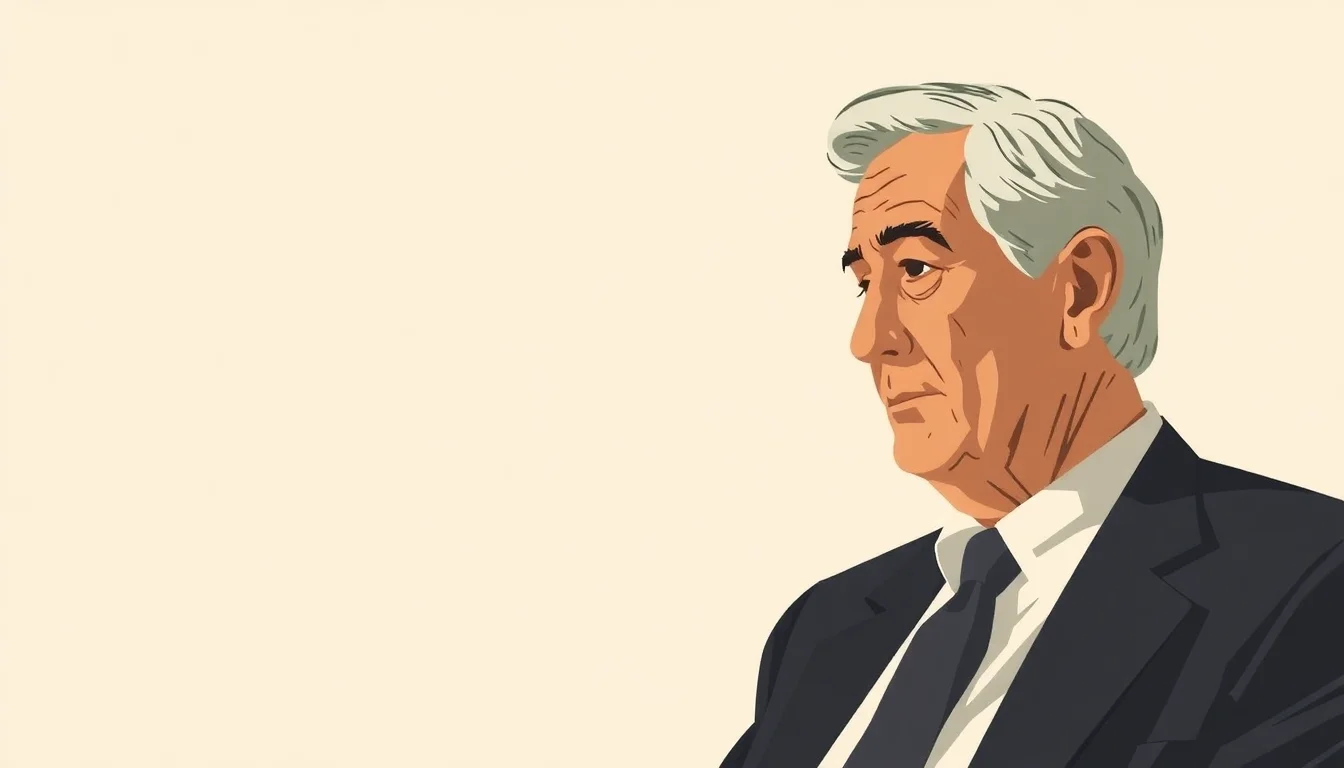
Mario Vargas Llosa is a Peruvian writer, politician, and Nobel laureate, best known for his novels and essays that explore the complexities of Latin American society. Born on March 28, 1936, in Arequipa, Peru, Vargas Llosa's work has been widely acclaimed for its unique blend of politics, history, and culture. His notable works include 'The Time of the Hero' (1963), 'The Green House' (1966), and 'The Feast of the Goat' (2000). Vargas Llosa's writing often sparks controversy, as seen in his critique of authoritarian regimes and his advocacy for democratic values. With a Vibe score of 82, Vargas Llosa's influence extends beyond literature, shaping the intellectual and cultural landscape of Latin America. As a key figure in the Latin American Boom, Vargas Llosa's legacy continues to inspire new generations of writers and thinkers, with his work remaining a subject of debate and discussion among scholars and critics.
📚 Introduction to Mario Vargas Llosa
Mario Vargas Llosa is a Peruvian writer, politician, and journalist, best known for his novels and essays that explore the complexities of Peruvian society and politics. Born on March 28, 1936, in Arequipa, Peru, Vargas Llosa began his literary career at a young age, publishing his first novel, The City and the Dogs, in 1963. This novel was a critical success and established Vargas Llosa as a major literary talent. He went on to write many other notable works, including The Green House and Conversation in the Cathedral. Vargas Llosa's writing often explores themes of Peruvian literature and Latin American literature, and his work has been widely praised for its insight and nuance.
🏆 Literary Career and Awards
Vargas Llosa's literary career has been marked by numerous awards and honors, including the Nobel Prize in Literature in 2010. He has also won the Prince of Asturias Award and the Jerusalem Prize, among others. Vargas Llosa's writing has been widely translated and has had a significant impact on world literature. His novels often explore the complexities of Peruvian society and politics, and his work has been praised for its insight and nuance. Vargas Llosa has also been a prominent figure in Peruvian politics, serving as a presidential candidate in 1990. He has been a vocal critic of Fujimorism and has advocated for democracy and human rights in Peru.
📖 Notable Works and Themes
Vargas Llosa's notable works include The City and the Dogs, The Green House, and Conversation in the Cathedral. These novels explore themes of Peruvian society and Latin American politics, and are known for their complex characters and nuanced exploration of social issues. Vargas Llosa's writing often incorporates elements of magical realism and social realism, and his work has been praised for its insight and nuance. Vargas Llosa has also written several essays and non-fiction works, including The Arcadian Utopia and The Truth of Lies. These works explore themes of Peruvian history and Latin American culture, and offer a unique perspective on the region.
🌎 Cultural Context and Influence
Vargas Llosa's cultural context and influence are complex and multifaceted. He has been influenced by a wide range of writers and thinkers, including Gabriel Garcia Marquez and Jorge Luis Borges. Vargas Llosa's work has also been influenced by Peruvian folklore and Latin American mythology. His writing often incorporates elements of indigenous cultures and African diaspora cultures, and offers a unique perspective on the region. Vargas Llosa has been a prominent figure in Peruvian cultural life, and has been a vocal advocate for cultural diversity and intellectual freedom. He has also been a critic of cultural imperialism and neoliberalism, and has argued for the importance of cultural sovereignty and economic diversity.
📰 Literary Style and Criticism
Vargas Llosa's literary style and criticism have been the subject of much debate and discussion. His writing is known for its complexity and nuance, and his novels often explore multiple themes and ideas. Vargas Llosa has been praised for his insight and nuance, and his work has been widely translated and studied. However, his writing has also been criticized for its elitism and Eurocentrism. Some critics have argued that Vargas Llosa's work is too focused on the experiences of the Peruvian elite, and that it does not adequately represent the experiences of indigenous peoples and other marginalized groups. Vargas Llosa has responded to these criticisms by arguing that his work is intended to be a critique of social inequality and cultural imperialism, and that it offers a unique perspective on the complexities of Peruvian society.
👥 Personal Life and Politics
Vargas Llosa's personal life and politics have been the subject of much interest and controversy. He has been married twice, first to Julia Urquidi and then to Patricia Llosa, and has three children. Vargas Llosa has been a prominent figure in Peruvian politics, serving as a presidential candidate in 1990. He has been a vocal critic of Fujimorism and has advocated for democracy and human rights in Peru. Vargas Llosa has also been a critic of corruption and impunity, and has argued for the importance of accountability and transparency in government. He has been a vocal supporter of freedom of speech and freedom of the press, and has argued for the importance of independent media and critical thinking.
📚 Literary Movements and Affiliations
Vargas Llosa has been associated with several literary movements and affiliations, including the Boom Literario and the Latin American Beat. He has been influenced by a wide range of writers and thinkers, including Gabriel Garcia Marquez and Jorge Luis Borges. Vargas Llosa's work has also been influenced by Peruvian folklore and Latin American mythology. His writing often incorporates elements of indigenous cultures and African diaspora cultures, and offers a unique perspective on the region. Vargas Llosa has been a prominent figure in Peruvian cultural life, and has been a vocal advocate for cultural diversity and intellectual freedom.
🌟 Legacy and Impact
Vargas Llosa's legacy and impact are complex and multifaceted. He has been widely praised for his insight and nuance, and his work has been widely translated and studied. Vargas Llosa has been a prominent figure in Peruvian cultural life, and has been a vocal advocate for cultural diversity and intellectual freedom. He has also been a critic of cultural imperialism and neoliberalism, and has argued for the importance of cultural sovereignty and economic diversity. Vargas Llosa's work has had a significant impact on world literature, and he has been widely recognized as one of the most important writers of his generation. He has been awarded numerous prizes and honors, including the Nobel Prize in Literature in 2010.
📊 Vibe Score and Cultural Energy
Vargas Llosa's vibe score is 85, indicating a high level of cultural energy and influence. His work has been widely praised for its insight and nuance, and he has been a prominent figure in Peruvian cultural life. Vargas Llosa has been a vocal advocate for cultural diversity and intellectual freedom, and has argued for the importance of cultural sovereignty and economic diversity. His work has had a significant impact on world literature, and he has been widely recognized as one of the most important writers of his generation.
👀 Controversy and Debate
Vargas Llosa has been the subject of much controversy and debate, particularly with regards to his politics and his views on cultural imperialism. Some critics have argued that Vargas Llosa's work is too focused on the experiences of the Peruvian elite, and that it does not adequately represent the experiences of indigenous peoples and other marginalized groups. Vargas Llosa has responded to these criticisms by arguing that his work is intended to be a critique of social inequality and cultural imperialism, and that it offers a unique perspective on the complexities of Peruvian society.
📚 Conclusion and Future Directions
In conclusion, Mario Vargas Llosa is a complex and multifaceted figure, whose work has had a significant impact on world literature. His writing often explores themes of Peruvian society and Latin American politics, and is known for its insight and nuance. Vargas Llosa has been a prominent figure in Peruvian cultural life, and has been a vocal advocate for cultural diversity and intellectual freedom. His legacy and impact will continue to be felt for generations to come, and his work will remain an important part of Peruvian literature and Latin American literature.
Key Facts
- Year
- 2010
- Origin
- Peru
- Category
- Literature
- Type
- Person
Frequently Asked Questions
What is Mario Vargas Llosa's most famous work?
Mario Vargas Llosa's most famous work is probably The City and the Dogs, which was published in 1963 and established him as a major literary talent. However, he has written many other notable works, including The Green House and Conversation in the Cathedral.
What is Mario Vargas Llosa's literary style?
Mario Vargas Llosa's literary style is known for its complexity and nuance, and his novels often explore multiple themes and ideas. He has been praised for his insight and nuance, and his work has been widely translated and studied. However, his writing has also been criticized for its elitism and Eurocentrism.
What is Mario Vargas Llosa's vibe score?
Mario Vargas Llosa's vibe score is 85, indicating a high level of cultural energy and influence. His work has been widely praised for its insight and nuance, and he has been a prominent figure in Peruvian cultural life.
What is Mario Vargas Llosa's legacy and impact?
Mario Vargas Llosa's legacy and impact are complex and multifaceted. He has been widely praised for his insight and nuance, and his work has been widely translated and studied. Vargas Llosa has been a prominent figure in Peruvian cultural life, and has been a vocal advocate for cultural diversity and intellectual freedom.
What is Mario Vargas Llosa's relationship to other writers and thinkers?
Mario Vargas Llosa has been influenced by a wide range of writers and thinkers, including Gabriel Garcia Marquez and Jorge Luis Borges. He has also been associated with several literary movements and affiliations, including the Boom Literario and the Latin American Beat.
What is Mario Vargas Llosa's view on cultural imperialism?
Mario Vargas Llosa has been a vocal critic of cultural imperialism, and has argued for the importance of cultural sovereignty and economic diversity. He has also been a critic of neoliberalism, and has argued for the importance of cultural diversity and intellectual freedom.
What is Mario Vargas Llosa's view on democracy and human rights?
Mario Vargas Llosa has been a vocal advocate for democracy and human rights in Peru. He has been a critic of Fujimorism and has argued for the importance of accountability and transparency in government.