
Contents
- 🎭 Introduction to Mardi Gras
- 🕰️ History of Mardi Gras
- 🎂 Origins of the Name
- 🍴 Food and Drink Traditions
- 🎶 Music and Dance
- 👑 Krewes and Parades
- 🕵️♀️ Unmasking the Mystique
- 🌎 Global Celebrations
- 📊 Economic Impact
- 🤝 Cultural Significance
- 👀 Controversies and Criticisms
- 🔮 Future of Mardi Gras
- Frequently Asked Questions
- Related Topics
Overview
Mardi Gras, which is French for 'Fat Tuesday,' has a rich history dating back to medieval Europe, with the first American Mardi Gras taking place in 1703 in present-day Mobile, Alabama. The modern celebration, however, is most closely associated with New Orleans, where it has evolved into a unique blend of French, Spanish, African, and indigenous cultures. With its vibrant parades, elaborate costumes, and joie de vivre, Mardi Gras has become a cultural phenomenon, attracting millions of visitors each year. Yet, beneath the surface of this festive spectacle lies a complex web of social, economic, and environmental issues, including concerns over racial inequality, gentrification, and the impact of tourism on local communities. As the city continues to navigate these challenges, the future of Mardi Gras remains uncertain, with some arguing that it has become overly commercialized, while others see it as a vital part of the city's identity and a source of cultural resilience. With a vibe score of 8 out of 10, Mardi Gras remains a deeply ingrained and highly anticipated event, with its influence extending far beyond the streets of New Orleans, shaping the cultural landscape of the United States and beyond.
🎭 Introduction to Mardi Gras
Mardi Gras, also known as Shrove Tuesday, is a significant cultural event that marks the final day of Carnival and the last day of feasting before the Christian season of Lent. The name 'Mardi Gras' is French for 'Fat Tuesday', referring to the tradition of consuming rich, fatty foods, particularly red meat, before the fasting period of Lent. This tradition is deeply rooted in Christianity and is observed by many Catholic Church followers around the world. The history of Mardi Gras is complex and multifaceted, with influences from various cultures and traditions. For instance, the Mardi Gras in New Orleans is known for its vibrant parades and street parties, which attract millions of visitors each year.
🕰️ History of Mardi Gras
The history of Mardi Gras dates back to medieval Europe, where it was celebrated as a final feast before the somber period of Lent. Over time, the tradition was brought to the Americas by European colonizers, where it evolved into the vibrant cultural event we know today. The Carnival season, which includes Mardi Gras, is a significant part of the cultural heritage of many cities, including New Orleans and Rio de Janeiro. The mardi gras parades in these cities are famous for their colorful floats, lively music, and energetic crowds. The krewes that organize these parades are often non-profit organizations that work tirelessly to create an unforgettable experience for participants and spectators alike.
🎂 Origins of the Name
The origins of the name 'Mardi Gras' are rooted in the French language, where 'Mardi' means 'Tuesday' and 'Gras' means 'fat'. This refers to the tradition of consuming rich, fatty foods on the last day before Lent, as a way of using up all the rich ingredients in the pantry before the fasting period begins. This tradition is still observed today, with many people indulging in traditional Mardi Gras food such as king cake, gumbo, and jambalaya. The cultural significance of Mardi Gras extends beyond the food and drink, as it represents a time of celebration, community, and self-expression. For example, the Mardi Gras mask is a symbol of anonymity and freedom, allowing people to let loose and be themselves without fear of judgment.
🍴 Food and Drink Traditions
Food and drink play a significant role in Mardi Gras celebrations, with many traditional dishes and beverages being consumed during the Carnival season. King cake, for example, is a sweet bread that is typically eaten during Mardi Gras, and is often decorated with purple, green, and gold icing, which are the traditional colors of the celebration. Other popular dishes include gumbo, jambalaya, and beignets, which are all deeply rooted in the cuisine of Louisiana. The mardi gras cocktails are also an integral part of the celebration, with drinks like the Sazerac and Hurricane being popular choices. The food trucks and street food vendors that line the streets during Mardi Gras offer a wide range of delicious options for participants to enjoy.
🎶 Music and Dance
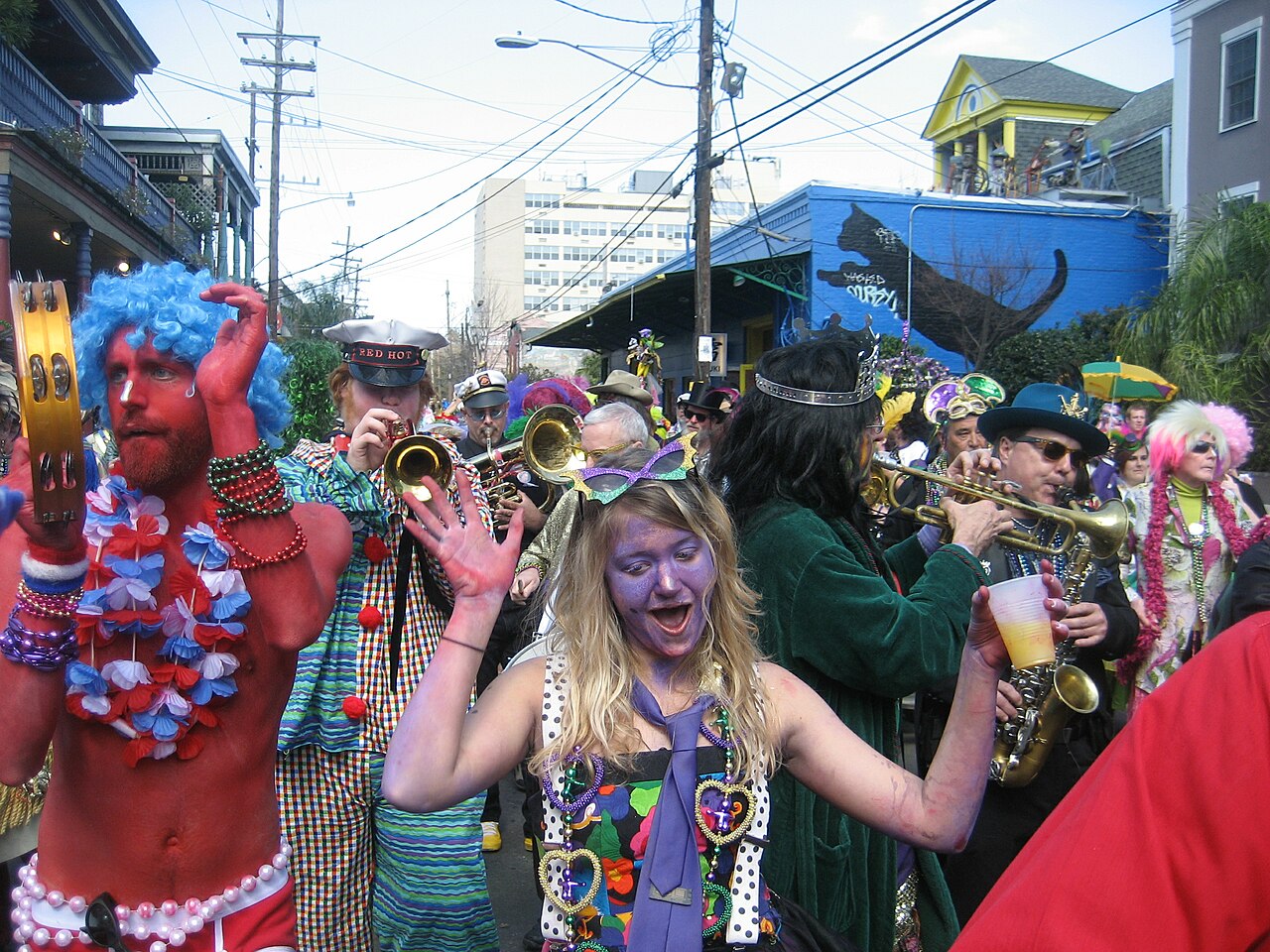
Music and dance are essential components of Mardi Gras celebrations, with many different genres and styles being represented. Jazz, for example, is a popular genre that originated in New Orleans, and is often played during Mardi Gras parades and parties. Other genres, such as zydeco and brass band music, are also popular during the Carnival season. The mardi gras dance is a lively and energetic style that is often performed during parades and parties, and is characterized by its fast-paced rhythms and colorful costumes. The second line tradition, which involves a group of people dancing and playing music through the streets, is also an important part of Mardi Gras celebrations.
👑 Krewes and Parades
Krewes and parades are at the heart of Mardi Gras celebrations, with many different organizations and groups participating in the festivities. A krewe is a social organization that is responsible for organizing and hosting a Mardi Gras parade, and often has its own unique theme, costumes, and traditions. The mardi gras parades are a major part of the celebration, with colorful floats, marching bands, and energetic crowds making for an unforgettable experience. The Krewe of Rex, for example, is one of the oldest and most prestigious krewes in New Orleans, and is known for its elaborate floats and costumes. The mardi gras parade routes are carefully planned to ensure that participants and spectators have a safe and enjoyable experience.
🕵️♀️ Unmasking the Mystique
Despite its reputation as a wild and decadent celebration, Mardi Gras has a rich cultural and historical significance that is often overlooked. The cultural significance of Mardi Gras extends beyond the partying and revelry, and represents a time of community, self-expression, and cultural heritage. The Mardi Gras mask, for example, is a symbol of anonymity and freedom, allowing people to let loose and be themselves without fear of judgment. The mardi gras costumes are also an important part of the celebration, with many people spending hours creating elaborate and colorful outfits. The mardi gras accessories, such as mardi gras beads and mardi gras feathers, add to the overall festive atmosphere of the celebration.
🌎 Global Celebrations
Mardi Gras is not just limited to New Orleans and the United States, but is celebrated in many different countries and cultures around the world. The mardi gras around the world is a testament to the universal appeal of the celebration, with many different cities and towns hosting their own unique Mardi Gras events. The Rio de Janeiro Carnival, for example, is one of the largest and most famous Mardi Gras celebrations in the world, and attracts millions of visitors each year. The mardi gras in Europe is also a significant celebration, with many cities and towns hosting their own Mardi Gras events and parades.
📊 Economic Impact
The economic impact of Mardi Gras is significant, with the celebration generating millions of dollars in revenue for local businesses and communities. The mardi gras tourism industry is a major contributor to the economy, with many people traveling to New Orleans and other Mardi Gras destinations to participate in the festivities. The mardi gras jobs are also an important part of the celebration, with many people employed in the hospitality, tourism, and entertainment industries during the Carnival season. The mardi gras revenue is used to fund various community projects and initiatives, such as the mardi gras parade funds and the mardi gras community development programs.
🤝 Cultural Significance
The cultural significance of Mardi Gras extends beyond the partying and revelry, and represents a time of community, self-expression, and cultural heritage. The cultural significance of Mardi Gras is deeply rooted in the history and traditions of the celebration, and is reflected in the many different customs and practices that are observed during the Carnival season. The Mardi Gras mask, for example, is a symbol of anonymity and freedom, allowing people to let loose and be themselves without fear of judgment. The mardi gras costumes are also an important part of the celebration, with many people spending hours creating elaborate and colorful outfits.
👀 Controversies and Criticisms
Despite its many benefits and attractions, Mardi Gras is not without its controversies and criticisms. The mardi gras controversies surrounding issues such as public drinking, noise pollution, and crowd control are ongoing concerns for many cities and communities. The mardi gras protests and mardi gras boycotts are also a significant issue, with many people objecting to the celebration on moral or ethical grounds. The mardi gras safety is also a major concern, with many people at risk of injury or harm during the festivities.
🔮 Future of Mardi Gras
As Mardi Gras continues to evolve and grow in popularity, it is likely that the celebration will face many new challenges and opportunities in the future. The future of Mardi Gras is uncertain, but one thing is clear: the celebration will continue to be an important part of the cultural heritage of many cities and communities around the world. The mardi gras innovation is already underway, with many new and exciting developments in the works, such as the mardi gras technology and the mardi gras sustainability initiatives. The mardi gras globalization is also a significant trend, with the celebration becoming increasingly popular in many different countries and cultures around the world.
Key Facts
- Year
- 1703
- Origin
- Mobile, Alabama
- Category
- Cultural Events
- Type
- Cultural Event
Frequently Asked Questions
What is the origin of the name 'Mardi Gras'?
The name 'Mardi Gras' is French for 'Fat Tuesday', referring to the tradition of consuming rich, fatty foods on the last day before Lent. The history of Mardi Gras is complex and multifaceted, with influences from various cultures and traditions. The cultural significance of Mardi Gras extends beyond the food and drink, and represents a time of celebration, community, and self-expression.
What is the significance of the Mardi Gras mask?
The Mardi Gras mask is a symbol of anonymity and freedom, allowing people to let loose and be themselves without fear of judgment. The mask is also a significant part of the mardi gras costumes, with many people spending hours creating elaborate and colorful outfits. The mardi gras accessories, such as mardi gras beads and mardi gras feathers, add to the overall festive atmosphere of the celebration.
What is the economic impact of Mardi Gras?
The economic impact of Mardi Gras is significant, with the celebration generating millions of dollars in revenue for local businesses and communities. The mardi gras tourism industry is a major contributor to the economy, with many people traveling to New Orleans and other Mardi Gras destinations to participate in the festivities. The mardi gras jobs are also an important part of the celebration, with many people employed in the hospitality, tourism, and entertainment industries during the Carnival season.
What are some of the controversies surrounding Mardi Gras?
The mardi gras controversies surrounding issues such as public drinking, noise pollution, and crowd control are ongoing concerns for many cities and communities. The mardi gras protests and mardi gras boycotts are also a significant issue, with many people objecting to the celebration on moral or ethical grounds. The mardi gras safety is also a major concern, with many people at risk of injury or harm during the festivities.
How is Mardi Gras celebrated around the world?
Mardi Gras is celebrated in many different countries and cultures around the world, with each location having its own unique traditions and customs. The mardi gras around the world is a testament to the universal appeal of the celebration, with many different cities and towns hosting their own Mardi Gras events. The Rio de Janeiro Carnival, for example, is one of the largest and most famous Mardi Gras celebrations in the world, and attracts millions of visitors each year.
What is the future of Mardi Gras?
The future of Mardi Gras is uncertain, but one thing is clear: the celebration will continue to be an important part of the cultural heritage of many cities and communities around the world. The mardi gras innovation is already underway, with many new and exciting developments in the works, such as the mardi gras technology and the mardi gras sustainability initiatives. The mardi gras globalization is also a significant trend, with the celebration becoming increasingly popular in many different countries and cultures around the world.
How can I participate in Mardi Gras?
There are many ways to participate in Mardi Gras, including attending parades and parties, joining a krewe, and creating your own mardi gras costumes and mardi gras accessories. The mardi gras tourism industry also offers many opportunities for visitors to experience the celebration, with many different tours and packages available. The mardi gras volunteer opportunities are also a great way to get involved and give back to the community.