
Contents
- 🌿 Introduction to Louisiana Wetlands
- 🌊 The Importance of Wetland Ecosystems
- 🏞️ Human Impact on Louisiana Wetlands
- 🚧 Coastal Erosion and Land Loss
- 🌴 Restoration Efforts and Conservation
- 🐊 Biodiversity and Wildlife in the Wetlands
- 👥 Community Involvement and Education
- 📊 Economic Benefits of Wetland Conservation
- 🌪️ Climate Change and the Future of Wetlands
- 🤝 Collaborative Management and Policy
- 📈 Conclusion and Call to Action
- Frequently Asked Questions
- Related Topics
Overview
The Louisiana wetlands, with a vibe score of 8, are a complex and fragile ecosystem that has been shaped by thousands of years of geological and human history. The wetlands are home to a diverse array of plant and animal species, including alligators, birds, and fish, and provide important ecosystem services such as storm surge protection, water filtration, and carbon sequestration. However, the wetlands are facing numerous threats, including climate change, oil exploration, and coastal erosion, which have resulted in the loss of over 1.2 million acres of wetlands since the 1930s. The controversy surrounding the preservation of the wetlands is highly contested, with a controversy spectrum of 9, and has sparked debates among environmentalists, oil companies, and local communities. Despite these challenges, efforts are being made to restore and preserve the wetlands, including the creation of the Coastal Protection and Restoration Authority, which has invested over $1 billion in restoration projects since its inception in 2006. As the world looks to the future, the fate of the Louisiana wetlands will depend on the ability of stakeholders to balance human needs with environmental protection, with key entities such as the U.S. Army Corps of Engineers, the Environmental Protection Agency, and the Louisiana Department of Natural Resources playing a crucial role in shaping the future of this unique ecosystem.
🌿 Introduction to Louisiana Wetlands
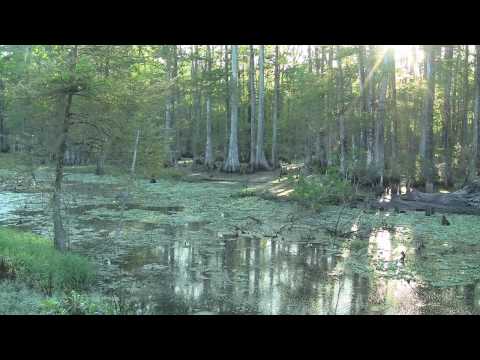
The Louisiana wetlands, often referred to as one of the most unique and diverse ecosystems in the United States, are a delicate balance of nature and human activity. Spanning over 10,000 square miles, these wetlands are home to a wide variety of plant and animal species, including the American alligator, Louisiana black bear, and the bald eagle. The wetlands also play a crucial role in the state's economy, with the oil and gas industry, commercial fishing, and tourism being major contributors. However, human activities such as deforestation and pollution have had a significant impact on the health of the wetlands, highlighting the need for sustainable management practices and conservation efforts, as discussed in the environmental conservation movement.
🌊 The Importance of Wetland Ecosystems
Wetland ecosystems, like those found in Louisiana, provide numerous benefits to both the environment and human populations. They help to filter water, prevent coastal erosion, and provide habitat for a wide range of species. The wetlands also support commercial and recreational activities, such as fishing and boating, which are essential to the local economy. Furthermore, wetlands have been shown to have a positive impact on mental health, with studies suggesting that spending time in nature can reduce stress and improve overall well-being, as noted in the nature therapy field. However, despite these benefits, wetlands are often underappreciated and undervalued, leading to their degradation and loss, as seen in the wetland degradation phenomenon.
🏞️ Human Impact on Louisiana Wetlands
Human activities have had a profound impact on the Louisiana wetlands, with the construction of levees, canals, and other infrastructure projects altering the natural flow of water and sediment. This has led to increased saltwater intrusion, which can be detrimental to plant and animal species that are adapted to freshwater environments. Additionally, the oil and gas industry has had a significant impact on the wetlands, with oil spills and other accidents causing harm to the environment and wildlife, as discussed in the environmental impact assessment process. The environmental movement has brought attention to these issues, highlighting the need for more sustainable practices and stricter regulations to protect the wetlands.
🚧 Coastal Erosion and Land Loss
Coastal erosion and land loss are major concerns in Louisiana, with the state losing approximately 25 square miles of land per year. This is due in part to the lack of sediment flowing into the wetlands, as well as the increased storm frequency and severity associated with climate change. The loss of wetlands not only affects the environment and wildlife but also has significant economic and social implications, as communities are displaced and livelihoods are threatened. Efforts to restore and protect the wetlands, such as the coastal restoration program, are underway, but more needs to be done to address the scale and complexity of the problem, as noted in the coastal management field.
🌴 Restoration Efforts and Conservation
Restoration efforts and conservation initiatives are essential to protecting the Louisiana wetlands and the many benefits they provide. This can involve the creation of artificial wetlands, the reintroduction of native species, and the implementation of sustainable land-use practices. Additionally, education and outreach programs can help to raise awareness about the importance of wetlands and the impacts of human activities on these ecosystems, as seen in the environmental education movement. The conservation biology field has also played a crucial role in informing restoration efforts and promoting the conservation of wetlands.
🐊 Biodiversity and Wildlife in the Wetlands
The Louisiana wetlands are home to a wide variety of plant and animal species, many of which are found nowhere else in the world. The wetlands provide habitat for numerous species of birds, including the brown pelican and the roseate spoonbill, as well as mammals such as the North American river otter and the mink. The wetlands also support a diverse range of fish and invertebrate species, including the gulf oyster and the blue crab, which are essential to the state's commercial fishing industry, as discussed in the marine biology field. However, many of these species are threatened or endangered due to habitat loss, pollution, and other human activities, highlighting the need for conservation efforts and sustainable management practices, as noted in the wildlife conservation movement.
👥 Community Involvement and Education
Community involvement and education are critical components of wetland conservation efforts. By engaging local communities and promoting awareness about the importance of wetlands, it is possible to build support for conservation initiatives and promote sustainable land-use practices. This can involve working with local schools and community groups to develop educational programs, as well as partnering with businesses and organizations to promote eco-tourism and sustainable development, as seen in the ecotourism industry. The community-based conservation approach has been shown to be effective in promoting the conservation of wetlands and other ecosystems.
📊 Economic Benefits of Wetland Conservation
The economic benefits of wetland conservation are numerous and significant. Wetlands provide habitat for commercial species, support recreational activities, and help to filter water and prevent coastal erosion. Additionally, wetlands can provide opportunities for eco-tourism and sustainable development, which can help to support local economies and promote community development, as discussed in the sustainable development field. However, the economic benefits of wetland conservation must be balanced with the costs of restoration and management, which can be significant. The cost-benefit analysis of wetland conservation efforts can help to inform decision-making and promote more effective conservation strategies.
🌪️ Climate Change and the Future of Wetlands
Climate change poses a significant threat to the Louisiana wetlands, with rising sea levels, increased storm frequency and severity, and changes in temperature and precipitation patterns all having the potential to impact these ecosystems. As a result, it is essential to develop and implement effective strategies for adapting to climate change and promoting the resilience of wetland ecosystems. This can involve the use of climate-smart conservation practices, as well as the development of innovative technologies and management approaches, as seen in the climate change mitigation field.
🤝 Collaborative Management and Policy
Collaborative management and policy are essential to protecting the Louisiana wetlands and promoting the conservation of these ecosystems. This can involve working with local communities, businesses, and organizations to develop and implement effective conservation strategies, as well as partnering with state and federal agencies to promote sustainable land-use practices and protect wetland ecosystems. The environmental policy framework can provide a foundation for promoting the conservation of wetlands and other ecosystems.
📈 Conclusion and Call to Action
In conclusion, the Louisiana wetlands are a unique and valuable ecosystem that provides numerous benefits to both the environment and human populations. However, these ecosystems are facing significant threats, including coastal erosion, land loss, and climate change. To address these challenges, it is essential to develop and implement effective conservation strategies, promote sustainable land-use practices, and support community involvement and education. By working together, we can help to protect the Louisiana wetlands and promote the conservation of these ecosystems for future generations, as discussed in the sustainability movement.
Key Facts
- Year
- 2022
- Origin
- Louisiana, USA
- Category
- Environmental Conservation
- Type
- Geographical Feature
Frequently Asked Questions
What are the main threats to the Louisiana wetlands?
The main threats to the Louisiana wetlands include coastal erosion, land loss, and climate change. Human activities such as deforestation, pollution, and the construction of infrastructure projects have also had a significant impact on the health of the wetlands. Additionally, the oil and gas industry has had a significant impact on the wetlands, with oil spills and other accidents causing harm to the environment and wildlife. The environmental impact assessment process can help to identify and mitigate these threats.
What are the economic benefits of wetland conservation?
The economic benefits of wetland conservation are numerous and significant. Wetlands provide habitat for commercial species, support recreational activities, and help to filter water and prevent coastal erosion. Additionally, wetlands can provide opportunities for eco-tourism and sustainable development, which can help to support local economies and promote community development. The cost-benefit analysis of wetland conservation efforts can help to inform decision-making and promote more effective conservation strategies.
How can I get involved in wetland conservation efforts?
There are many ways to get involved in wetland conservation efforts, including volunteering with local organizations, participating in community events, and supporting conservation initiatives. Additionally, individuals can make a difference by making sustainable choices in their daily lives, such as reducing their carbon footprint and supporting eco-friendly products. The community-based conservation approach can help to promote the conservation of wetlands and other ecosystems.
What is the role of climate change in the degradation of the Louisiana wetlands?
Climate change plays a significant role in the degradation of the Louisiana wetlands, with rising sea levels, increased storm frequency and severity, and changes in temperature and precipitation patterns all having the potential to impact these ecosystems. As a result, it is essential to develop and implement effective strategies for adapting to climate change and promoting the resilience of wetland ecosystems. The climate change mitigation field can provide a foundation for promoting the conservation of wetlands and other ecosystems.
What are some of the unique species found in the Louisiana wetlands?
The Louisiana wetlands are home to a wide variety of unique and diverse species, including the American alligator, the Louisiana black bear, and the bald eagle. The wetlands also support a diverse range of fish and invertebrate species, including the gulf oyster and the blue crab, which are essential to the state's commercial fishing industry. The marine biology field can provide more information on the unique species found in the Louisiana wetlands.
How can I learn more about the Louisiana wetlands and conservation efforts?
There are many resources available to learn more about the Louisiana wetlands and conservation efforts, including books, articles, and online courses. Additionally, individuals can visit the wetlands and participate in guided tours or volunteer opportunities to learn more about these ecosystems and the conservation efforts in place. The environmental education movement can provide more information on the importance of education and outreach in promoting the conservation of wetlands and other ecosystems.
What is the role of the community in wetland conservation efforts?
The community plays a critical role in wetland conservation efforts, with local residents and organizations working together to promote sustainable land-use practices and protect wetland ecosystems. Community involvement and education are essential to building support for conservation initiatives and promoting the conservation of wetlands. The community-based conservation approach can help to promote the conservation of wetlands and other ecosystems.