
Contents
- 🏯 Introduction to Lorenzo de' Medici
- 📚 Early Life and Education
- 👑 Rise to Power
- 💰 Economic and Financial Reforms
- 🎨 Patronage of the Arts
- 🤝 Diplomatic Relations and Alliances
- 🚫 Challenges and Conflicts
- 💔 Later Life and Legacy
- 📊 Historical Significance and Impact
- 👥 Influence on the Renaissance
- 🔍 Controversies and Criticisms
- Frequently Asked Questions
- Related Topics
Overview
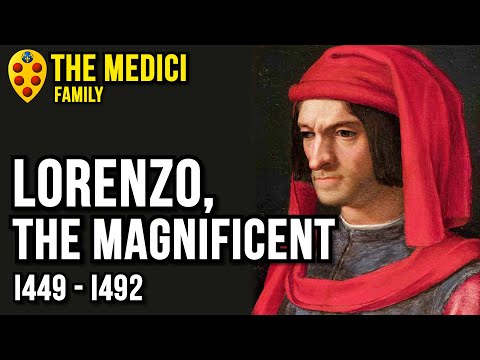
Lorenzo de' Medici, known as Lorenzo il Magnifico, was a pivotal figure in the Italian Renaissance, ruling Florence from 1469 to 1492. As a statesman, banker, and poet, he embodied the Renaissance humanist ideals, fostering a cultural and artistic explosion that drew luminaries like Botticelli, Michelangelo, and Leonardo da Vinci to his court. His diplomatic prowess maintained a delicate balance of power among the city-states of Italy, while his patronage of the arts helped establish Florence as a hub of creativity. However, his reign was also marked by controversy, including the Pazzi conspiracy and the rise of the Dominican friar Girolamo Savonarola, who would eventually contribute to the downfall of the Medici dynasty. With a Vibe score of 92, Lorenzo il Magnifico remains a fascinating and complex figure, embodying the contradictions of the Renaissance. His legacy continues to influence art, politics, and culture to this day, with his name becoming synonymous with the heights of Renaissance achievement.
🏯 Introduction to Lorenzo de' Medici
Lorenzo de' Medici, also known as Lorenzo the Magnificent, was a prominent Italian statesman and ruler of the Florence Republic during the Renaissance. He was born on January 1, 1449, to Piero di Cosimo de' Medici and Lucrezia Tornabuoni. Lorenzo's life was marked by his exceptional leadership, cultural achievements, and diplomatic prowess. He was a skilled politician, economist, and patron of the arts, who played a significant role in shaping the Medici family's legacy. Lorenzo's reign is often regarded as the golden age of the Florentine Republic. He was a close friend and ally of Marsilio Ficino, a renowned philosopher and scholar.
📚 Early Life and Education
Lorenzo's early life was marked by his education in the humanities, which was supervised by his father, Piero di Cosimo de' Medici. He studied under the tutelage of notable scholars, including Marsilio Ficino and John Argyropoulos. Lorenzo's education played a significant role in shaping his worldview and cultural tastes. He was an avid reader and developed a deep appreciation for classical literature, particularly the works of Cicero and Plato. Lorenzo's love for learning and his intellectual curiosity would later influence his patronage of the arts and his support for scholars and artists, including Leonardo da Vinci and Michelangelo.
👑 Rise to Power
Lorenzo's rise to power began after the death of his father, Piero di Cosimo de' Medici, in 1469. He became the leader of the Medici family and the ruler of the Florentine Republic. Lorenzo's leadership was marked by his exceptional diplomatic skills, which enabled him to navigate the complex web of alliances and rivalries between the various city-states of Italy. He formed alliances with powerful city-states, including Milan and Naples, and maintained good relations with the Catholic Church. Lorenzo's diplomatic efforts helped to establish Florence as a major power in Italy and secured the city's position as a center of trade, commerce, and culture. He was a key figure in the Italian League, a coalition of city-states that aimed to promote peace and stability in the region.
💰 Economic and Financial Reforms
Lorenzo implemented several economic and financial reforms during his reign, which helped to stimulate trade and commerce in Florence. He established the Medici Bank, which became one of the most powerful financial institutions in Europe. Lorenzo's economic policies helped to attract merchants, traders, and artisans to Florence, making it a hub of economic activity. He also invested in infrastructure projects, including the construction of roads, bridges, and canals, which facilitated trade and commerce. Lorenzo's economic reforms had a significant impact on the development of capitalism in Europe and helped to establish Florence as a major commercial center. He was a strong supporter of the wool trade, which was a significant contributor to the city's economy.
🎨 Patronage of the Arts
Lorenzo was a renowned patron of the arts, and his court attracted some of the most talented artists, writers, and musicians of the time. He was a close friend and patron of Sandro Botticelli, who created some of his most famous works under Lorenzo's patronage. Lorenzo also supported the work of Leonardo da Vinci and Michelangelo, who would later become two of the most famous artists of the Renaissance. Lorenzo's love for poetry and music led him to compose his own works, including sonnets and songs. He was a talented poet and musician, and his court was renowned for its cultural achievements. Lorenzo's patronage of the arts helped to establish Florence as a center of cultural excellence, and his legacy continues to inspire artists and writers to this day. He was a key figure in the development of the humanist movement, which emphasized the potential of human beings to achieve great things through education and individualism.
🤝 Diplomatic Relations and Alliances
Lorenzo's diplomatic relations and alliances played a significant role in maintaining peace and stability in Italy during his reign. He formed alliances with powerful city-states, including Milan and Naples, and maintained good relations with the Catholic Church. Lorenzo's diplomatic efforts helped to establish Florence as a major power in Italy and secured the city's position as a center of trade, commerce, and culture. He was a key figure in the Italian League, a coalition of city-states that aimed to promote peace and stability in the region. Lorenzo's diplomatic skills were put to the test during the Pazzi conspiracy, a plot to overthrow the Medici family and take control of Florence. He successfully navigated the crisis and maintained his position as the ruler of the Florentine Republic.
🚫 Challenges and Conflicts
Despite his many achievements, Lorenzo faced several challenges and conflicts during his reign. He had to navigate the complex web of alliances and rivalries between the various city-states of Italy, and he faced opposition from powerful noble families, including the Pazzi family. Lorenzo also had to deal with the threat of the Ottoman Empire, which was expanding its territories in Europe during the 15th century. He formed alliances with other city-states to counter the Ottoman threat and maintained a strong military presence to protect Florence and its territories. Lorenzo's leadership and diplomatic skills helped him to overcome these challenges and maintain his position as the ruler of the Florentine Republic.
💔 Later Life and Legacy
Lorenzo's later life was marked by his declining health and his efforts to secure the future of the Medici family. He suffered from gout and other ailments, which made it difficult for him to carry out his duties as the ruler of the Florentine Republic. Lorenzo's son, Piero di Lorenzo de' Medici, succeeded him as the ruler of Florence after his death on April 8, 1492. Lorenzo's legacy continues to be felt in Florence and beyond, and he remains one of the most famous and influential figures of the Renaissance. He was a true Renaissance man, with a deep appreciation for art, literature, music, and philosophy.
📊 Historical Significance and Impact
Lorenzo's historical significance and impact on the development of Italy and Europe cannot be overstated. He played a significant role in shaping the Medici family's legacy and establishing Florence as a center of trade, commerce, and culture. Lorenzo's diplomatic efforts helped to maintain peace and stability in Italy during his reign, and his patronage of the arts helped to establish Florence as a center of cultural excellence. He was a key figure in the development of the humanist movement, which emphasized the potential of human beings to achieve great things through education and individualism. Lorenzo's legacy continues to inspire artists, writers, and politicians to this day, and his impact on the development of Western civilization is still felt.
👥 Influence on the Renaissance
Lorenzo's influence on the Renaissance was profound, and he played a significant role in shaping the cultural and artistic landscape of Europe during the 15th century. He was a patron of some of the most talented artists and writers of the time, including Leonardo da Vinci and Michelangelo. Lorenzo's love for poetry and music led him to compose his own works, including sonnets and songs. He was a talented poet and musician, and his court was renowned for its cultural achievements. Lorenzo's influence on the development of the humanist movement was significant, and he helped to establish Florence as a center of cultural excellence. He was a key figure in the development of the Renaissance in Italy, and his legacy continues to inspire artists and writers to this day.
🔍 Controversies and Criticisms
Lorenzo's life and legacy have been the subject of much controversy and criticism over the years. Some historians have criticized his authoritarian style of leadership and his suppression of opposition. Others have questioned his motives and actions during the Pazzi conspiracy. Despite these criticisms, Lorenzo remains one of the most famous and influential figures of the Renaissance. His legacy continues to be felt in Florence and beyond, and he remains a source of inspiration for artists, writers, and politicians. Lorenzo's impact on the development of Western civilization is still felt, and his influence on the Renaissance was profound. He was a true Renaissance man, with a deep appreciation for art, literature, music, and philosophy.
Key Facts
- Year
- 1449
- Origin
- Florence, Italy
- Category
- History
- Type
- Historical Figure
Frequently Asked Questions
Who was Lorenzo de' Medici?
Lorenzo de' Medici, also known as Lorenzo the Magnificent, was a prominent Italian statesman and ruler of the Florence Republic during the Renaissance. He was born on January 1, 1449, to Piero di Cosimo de' Medici and Lucrezia Tornabuoni. Lorenzo's life was marked by his exceptional leadership, cultural achievements, and diplomatic prowess.
What were Lorenzo's achievements?
Lorenzo's achievements were numerous and significant. He implemented several economic and financial reforms, which helped to stimulate trade and commerce in Florence. He was a renowned patron of the arts, and his court attracted some of the most talented artists, writers, and musicians of the time. Lorenzo's diplomatic efforts helped to maintain peace and stability in Italy during his reign, and his legacy continues to be felt in Florence and beyond.
What was Lorenzo's role in the [[pazzi_conspiracy|Pazzi conspiracy]]?
Lorenzo played a significant role in the Pazzi conspiracy, a plot to overthrow the Medici family and take control of Florence. He successfully navigated the crisis and maintained his position as the ruler of the Florentine Republic. Lorenzo's leadership and diplomatic skills helped him to overcome the challenges posed by the conspiracy and maintain his position as the ruler of Florence.
What was Lorenzo's legacy?
Lorenzo's legacy is still felt in Florence and beyond. He played a significant role in shaping the Medici family's legacy and establishing Florence as a center of trade, commerce, and culture. Lorenzo's diplomatic efforts helped to maintain peace and stability in Italy during his reign, and his patronage of the arts helped to establish Florence as a center of cultural excellence. He was a key figure in the development of the humanist movement, which emphasized the potential of human beings to achieve great things through education and individualism.
How did Lorenzo influence the [[renaissance|Renaissance]]?
Lorenzo's influence on the Renaissance was profound. He was a patron of some of the most talented artists and writers of the time, including Leonardo da Vinci and Michelangelo. Lorenzo's love for poetry and music led him to compose his own works, including sonnets and songs. He was a talented poet and musician, and his court was renowned for its cultural achievements. Lorenzo's influence on the development of the humanist movement was significant, and he helped to establish Florence as a center of cultural excellence.