
Contents
- 🚂 Introduction to Locomotives
- 🔧 Evolution of Locomotive Design
- 🚫 Push-Pull Operation and Distributed Power
- 💡 Locomotive Propulsion Systems
- 🚂 Locomotive Types and Configurations
- 🌎 Global Locomotive Manufacturers
- 📊 Locomotive Performance and Efficiency
- 🔍 Locomotive Maintenance and Repair
- 🚨 Locomotive Safety and Regulations
- 🌈 Future of Locomotives and Sustainable Transportation
- Frequently Asked Questions
- Related Topics
Overview
Locomotives have been the backbone of rail transportation for over two centuries, with the first steam-powered locomotive invented by Richard Trevithick in 1804. Since then, locomotives have undergone significant transformations, from the introduction of diesel-electric locomotives in the mid-20th century to the modern high-speed electric locomotives. The development of locomotives has been shaped by the contributions of pioneers like George Stephenson, who built the first public steam railway in 1825, and the introduction of new technologies like advanced braking systems and aerodynamic designs. Today, locomotives continue to play a vital role in global transportation, with countries like China and Japan investing heavily in high-speed rail networks. However, the industry is not without its challenges, with concerns over energy efficiency, noise pollution, and the impact of rail transportation on local communities. As the world looks to the future of transportation, locomotives will likely continue to evolve, with advancements in technology and design shaping the next generation of rail power.
🚂 Introduction to Locomotives
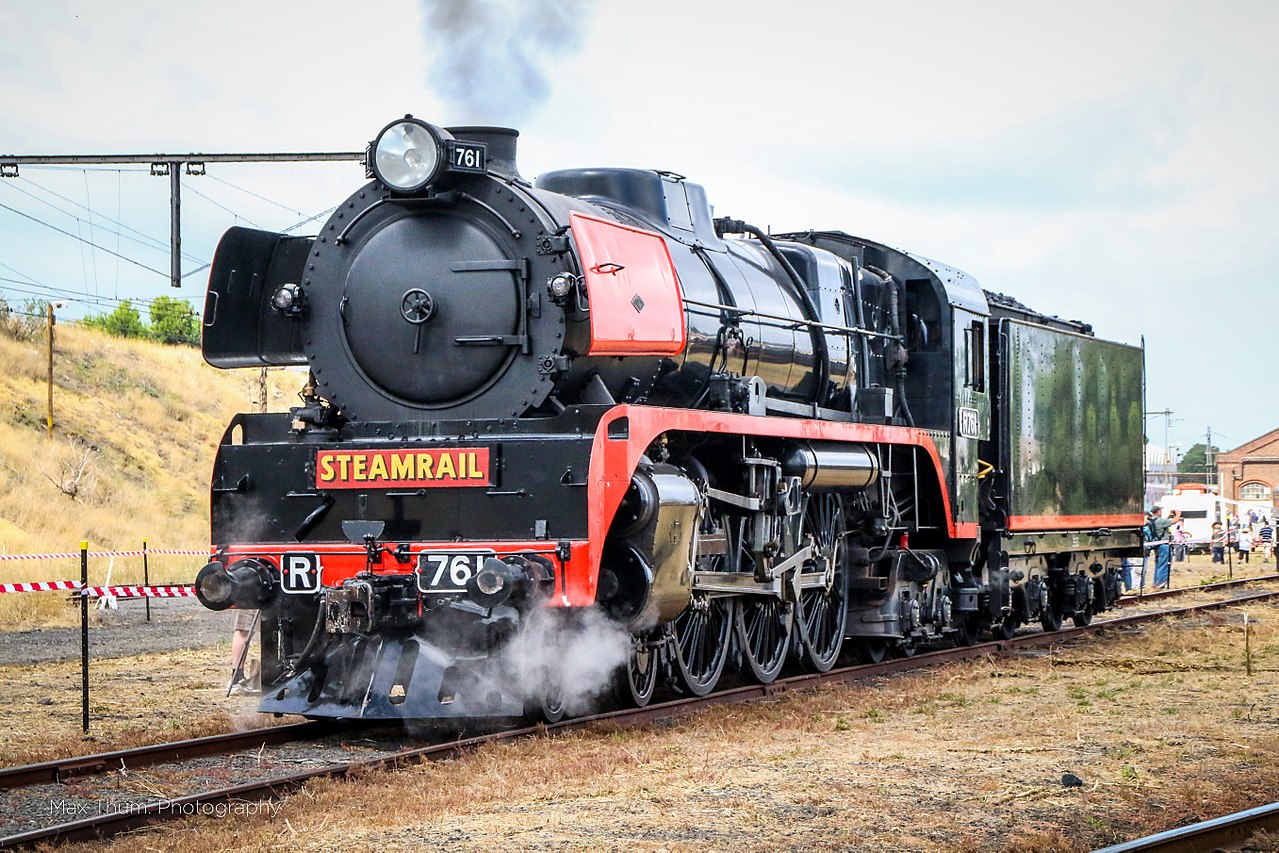
The development of locomotives has been a crucial factor in the growth of the rail industry, with the first steam-powered locomotive invented by Richard Trevithick in 1804. Over the years, locomotives have evolved to become more efficient, powerful, and environmentally friendly. Today, locomotives are used for both passenger and freight transportation, with different types of locomotives designed for specific tasks, such as diesel locomotives for heavy freight haulage and electric locomotives for high-speed passenger services. The use of locomotives has also had a significant impact on the economy, with the rail industry generating billions of dollars in revenue each year. As the demand for rail transportation continues to grow, the development of more efficient and sustainable locomotives is crucial, with companies like GE Transportation and Siemens leading the way in innovation.
🔧 Evolution of Locomotive Design
The design of locomotives has undergone significant changes over the years, with advances in technology and materials leading to more efficient and powerful engines. The introduction of diesel engines in the mid-20th century revolutionized the rail industry, allowing for more efficient and cost-effective operation. Today, locomotives are designed with safety and efficiency in mind, with features such as advanced braking systems and regenerative braking. The use of computer simulation and modeling has also become increasingly important in the design process, allowing engineers to test and optimize locomotive performance before they are built. Companies like Bombardier and Alstom are at the forefront of locomotive design, with a focus on developing more sustainable and efficient trains.
🚫 Push-Pull Operation and Distributed Power
The traditional method of locomotive operation, where a single locomotive pulls a train from the front, is still widely used today. However, the use of push-pull operation and distributed power has become more common, particularly for heavy freight trains. This involves using multiple locomotives, either at the front and rear of the train or at intermediate points throughout the train, to provide additional power and control. The use of distributed power has allowed for the transportation of heavier and longer trains, increasing efficiency and reducing costs. Companies like Union Pacific Railroad and BNSF Railway are using distributed power to improve their operations and reduce their environmental impact.
💡 Locomotive Propulsion Systems
Locomotives use a variety of propulsion systems, including diesel-electric, electric, and steam power. The choice of propulsion system depends on the specific application and the requirements of the rail network. Diesel locomotives are widely used for freight haulage, while electric locomotives are often used for high-speed passenger services. The use of alternative fuels, such as bio-diesel and hydrogen, is also becoming more common, as the rail industry looks to reduce its environmental impact. Companies like Cummins and CAT are developing more efficient and sustainable propulsion systems for locomotives.
🚂 Locomotive Types and Configurations
There are several types of locomotives, each designed for specific tasks and applications. Freight locomotives are designed for heavy haulage and are typically more powerful than passenger locomotives. High-speed locomotives are designed for fast passenger services and are typically more streamlined and aerodynamic. Switcher locomotives are used for yard and terminal operations, and are designed for maneuverability and flexibility. The choice of locomotive type depends on the specific requirements of the rail network and the type of service being operated. Companies like EMD and GE Transportation manufacture a range of locomotive types, including diesel locomotives and electric locomotives.
🌎 Global Locomotive Manufacturers
The global locomotive manufacturing industry is dominated by a few large companies, including GE Transportation, Siemens, and Bombardier. These companies have a long history of innovation and have developed a range of locomotive products and services. The use of global supply chains and outsourcing has become more common in the industry, allowing manufacturers to reduce costs and improve efficiency. However, this has also led to concerns about job security and the impact on local economies. Companies like Alstom and Hitachi are also major players in the industry, with a focus on developing more sustainable and efficient locomotives.
📊 Locomotive Performance and Efficiency
The performance and efficiency of locomotives are critical factors in the rail industry, with the goal of minimizing fuel consumption and reducing emissions. The use of advanced technology, such as computer simulation and data analytics, has become more common in the industry, allowing operators to optimize locomotive performance and reduce costs. The development of more efficient propulsion systems, such as hybrid locomotives, is also underway, with the goal of reducing greenhouse gas emissions and improving air quality. Companies like NS and CSX are working to improve the efficiency and sustainability of their locomotive fleets.
🔍 Locomotive Maintenance and Repair
The maintenance and repair of locomotives are critical factors in ensuring the safe and efficient operation of the rail network. The use of predictive maintenance and condition-based maintenance has become more common, allowing operators to identify and address potential issues before they become major problems. The development of more reliable and durable locomotive components, such as wheel sets and bearings, is also underway, with the goal of reducing downtime and improving overall efficiency. Companies like Progress Rail and Wabtec provide a range of maintenance and repair services for locomotives, including overhaul and refurbishment.
🚨 Locomotive Safety and Regulations
The safety and regulation of locomotives are critical factors in the rail industry, with the goal of minimizing the risk of accidents and ensuring the safe transportation of passengers and freight. The use of advanced safety features, such as positive train control and collision avoidance systems, has become more common, allowing operators to reduce the risk of accidents and improve overall safety. The development of more stringent safety regulations, such as those related to locomotive cab safety and hazardous materials transportation, is also underway, with the goal of improving safety and reducing the risk of accidents. Companies like FRA and TSB play a critical role in regulating and overseeing the safe operation of locomotives.
🌈 Future of Locomotives and Sustainable Transportation
The future of locomotives and sustainable transportation is a critical topic, with the goal of reducing greenhouse gas emissions and improving air quality. The development of more efficient and sustainable propulsion systems, such as hydrogen fuel cells and bio-diesel, is underway, with the goal of reducing the environmental impact of the rail industry. The use of alternative fuels and renewable energy sources, such as solar power and wind power, is also becoming more common, allowing operators to reduce their reliance on fossil fuels and improve their sustainability. Companies like Siemens and Alstom are at the forefront of sustainable transportation, with a focus on developing more efficient and environmentally friendly locomotives.
Key Facts
- Year
- 1804
- Origin
- United Kingdom
- Category
- Transportation
- Type
- Machine
Frequently Asked Questions
What is a locomotive?
A locomotive is a rail vehicle that provides the motive power for a train. Locomotives can be powered by a variety of sources, including diesel, electric, and steam. They are used for both passenger and freight transportation and are a critical component of the rail industry. Companies like GE Transportation and Siemens manufacture a range of locomotives, including diesel locomotives and electric locomotives.
How do locomotives work?
Locomotives work by using a propulsion system to generate power and move the train. The type of propulsion system used depends on the type of locomotive and the specific application. Diesel locomotives use a diesel engine to generate power, while electric locomotives use electric motors. The power is then transmitted to the wheels of the locomotive, which propel the train forward. Companies like Cummins and CAT develop more efficient and sustainable propulsion systems for locomotives.
What are the different types of locomotives?
There are several types of locomotives, including freight locomotives, passenger locomotives, high-speed locomotives, and switcher locomotives. Each type of locomotive is designed for a specific task and application, and the choice of locomotive depends on the specific requirements of the rail network and the type of service being operated. Companies like EMD and GE Transportation manufacture a range of locomotive types.
How are locomotives maintained and repaired?
Locomotives are maintained and repaired through a variety of methods, including predictive maintenance and condition-based maintenance. The use of advanced technology, such as computer simulation and data analytics, has become more common in the industry, allowing operators to optimize locomotive performance and reduce costs. Companies like Progress Rail and Wabtec provide a range of maintenance and repair services for locomotives.
What is the future of locomotives and sustainable transportation?
The future of locomotives and sustainable transportation is a critical topic, with the goal of reducing greenhouse gas emissions and improving air quality. The development of more efficient and sustainable propulsion systems, such as hydrogen fuel cells and bio-diesel, is underway, with the goal of reducing the environmental impact of the rail industry. Companies like Siemens and Alstom are at the forefront of sustainable transportation, with a focus on developing more efficient and environmentally friendly locomotives.
What are the benefits of using locomotives for transportation?
The benefits of using locomotives for transportation include reduced greenhouse gas emissions, improved air quality, and increased efficiency. Locomotives are also a cost-effective way to transport goods and people, particularly over long distances. The use of locomotives can also help to reduce traffic congestion and improve overall transportation infrastructure. Companies like NS and CSX are working to improve the efficiency and sustainability of their locomotive fleets.
What are the challenges facing the locomotive industry?
The locomotive industry faces a number of challenges, including the need to reduce greenhouse gas emissions and improve air quality, as well as the need to increase efficiency and reduce costs. The industry is also subject to a range of regulations and standards, including those related to locomotive cab safety and hazardous materials transportation. Companies like FRA and TSB play a critical role in regulating and overseeing the safe operation of locomotives.