
Contents
- 🏯 Introduction to Justinian's Reign
- 📚 The Corpus Juris Civilis: A Lasting Legacy
- 👑 The Life and Times of Justinian I
- 🏛️ The Byzantine Empire Under Justinian's Rule
- 💼 Administrative Reforms and Military Campaigns
- 📊 Economic and Social Developments
- 🏞️ The Nika Riots and Their Aftermath
- 👑 The Later Years of Justinian's Reign
- 🕊️ Theological Debates and Controversies
- 📚 The Preservation of Classical Knowledge
- 👑 Justinian's Legacy in Modern Times
- Frequently Asked Questions
- Related Topics
Overview
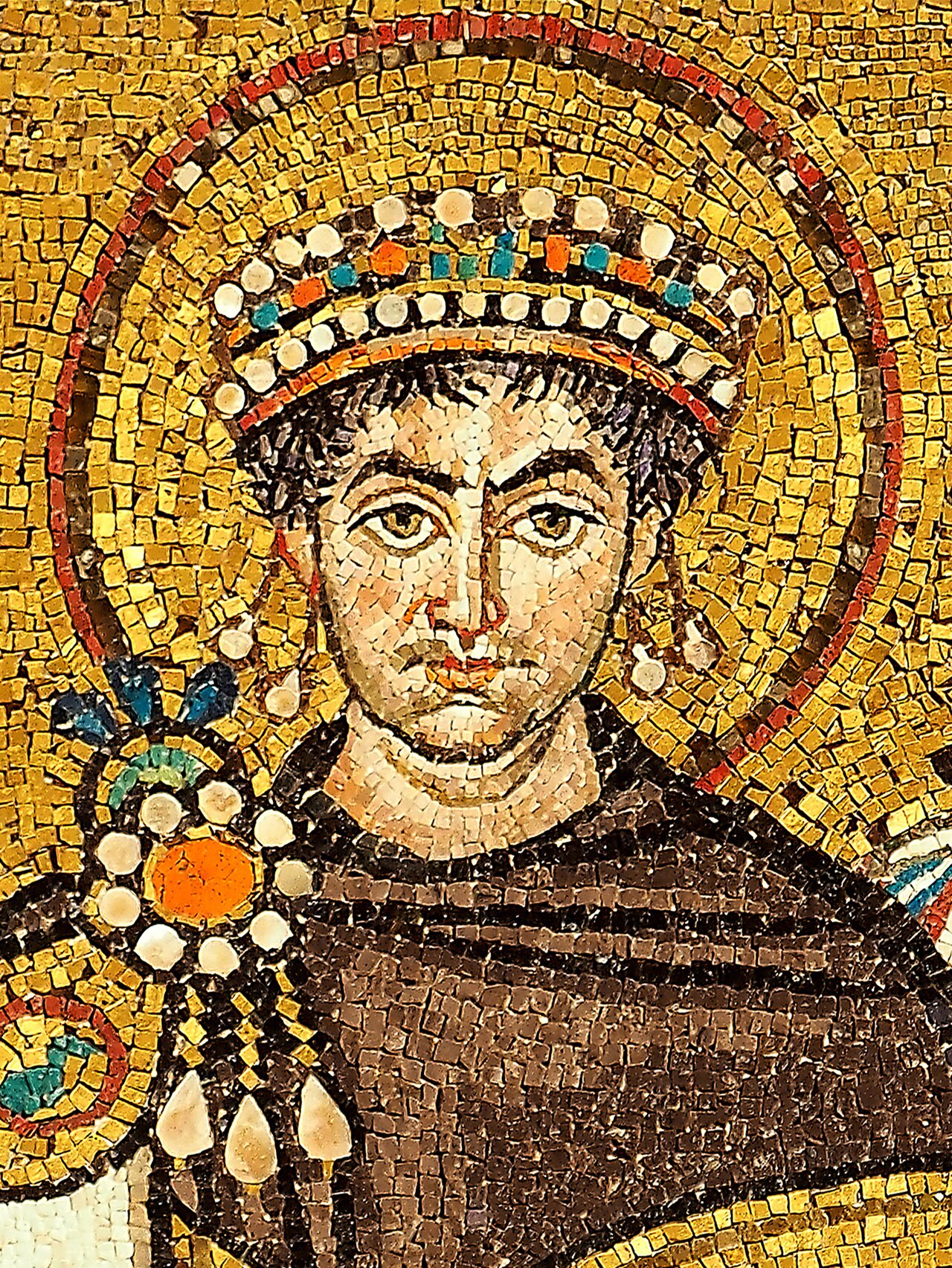
Justinian, who ruled the Byzantine Empire from 527 to 565, is remembered for his ambitious projects, including the codification of Roman law into the Corpus Juris Civilis, a monumental work that would influence legal systems for centuries. His reign was marked by significant architectural achievements, such as the construction of the Hagia Sophia, and extensive military campaigns aimed at reconquering lost territories. However, Justinian's rule was also marred by controversy, including the Nika riots, a devastating plague, and criticisms of his wife, Theodora, for her perceived influence over him. The Corpus Juris Civilis, comprising the Digest, the Code, and the Institutes, stands as a testament to Justinian's legal reforms, aiming to clarify and systematize Roman law. Despite the challenges and criticisms, Justinian's legacy endures, with his legal code remaining a foundational element of many modern legal systems. As we look to the future, how will Justinian's codification of law continue to shape legal discourse and what lessons can be drawn from his complex and often tumultuous reign?
🏯 Introduction to Justinian's Reign
Justinian I, also known as Justinian the Great, was Roman emperor from 527 to 565. His reign is often considered a golden age in the history of the Byzantine Empire. Justinian's vision for a unified and prosperous empire led to significant reforms in various aspects of Byzantine society, including law, administration, and architecture. The emperor's military campaigns aimed to reconquer the lost territories of the Western Roman Empire, which had been overrun by various barbarian tribes. For instance, the Reconquest of North Africa was a major milestone in Justinian's military endeavors. The Byzantine Empire's capital, Constantinople, flourished during Justinian's reign, becoming a center of trade, culture, and learning.
📚 The Corpus Juris Civilis: A Lasting Legacy
One of Justinian's most enduring achievements is the creation of the Corpus Juris Civilis, a comprehensive codification of Roman law. This monumental work, which includes the Institutes, the Digest, and the Code of Justinian, has had a profound impact on the development of law in Europe and beyond. The Corpus Juris Civilis has been widely studied and emulated, influencing the common law traditions of many countries. Justinian's legal reforms also aimed to simplify and clarify the complex system of Roman law, making it more accessible to the general population. The Byzantine Empire's administrative structure was also reformed, with the creation of new offices and the reorganization of existing ones. For example, the Office of the Quaestor played a crucial role in the administration of justice.
👑 The Life and Times of Justinian I
Justinian I was born in 482 or 483 AD in the village of Tauresium, in the province of Illyricum. His uncle, Justin I, was a high-ranking military officer who rose to the throne in 518. Justinian's early life is not well-documented, but it is known that he received a good education and was well-versed in law, theology, and philosophy. He married Theodora, a former actress and courtesan, who became a powerful and influential empress. The Byzantine Empire's social hierarchy was complex, with the emperor and his family at the top, followed by the nobility, the clergy, and the common people. The social class system was also influenced by the Eastern Orthodox Church, which played a significant role in the empire's spiritual and cultural life.
🏛️ The Byzantine Empire Under Justinian's Rule
During Justinian's reign, the Byzantine Empire underwent significant territorial expansion. The emperor's military campaigns aimed to reconquer the lost territories of the Western Roman Empire, which had been overrun by various barbarian tribes. The Reconquest of Italy was a major milestone in Justinian's military endeavors, although it came at a great cost in terms of lives and resources. The Byzantine Empire's administrative structure was also reformed, with the creation of new offices and the reorganization of existing ones. For example, the Office of the Magister Militum played a crucial role in the administration of the military. The Byzantine Empire's economy was also influenced by its trade relationships with other nations, including the Sasanian Empire and the Frankish Kingdom.
💼 Administrative Reforms and Military Campaigns
Justinian's administrative reforms aimed to simplify and streamline the complex system of Byzantine government. The emperor created new offices, such as the Office of the Sacellarius, which was responsible for the administration of the imperial treasury. The Byzantine Empire's military was also reorganized, with the creation of new units and the reorganization of existing ones. For example, the Tagmata were elite military units that played a crucial role in the empire's defense. The Byzantine Empire's economy was also influenced by its agricultural production, with the agricultural production of crops such as wheat, barley, and grapes being significant. The Byzantine Empire's trade relationships with other nations, including the Sasanian Empire and the Frankish Kingdom, also played a significant role in its economic development.
🏞️ The Nika Riots and Their Aftermath
The later years of Justinian's reign were marked by a series of challenges, including the Plague of Justinian, which devastated the empire and claimed millions of lives. The Byzantine Empire's economy was also severely affected by the plague, with trade and commerce being disrupted. The Byzantine Empire's military was also weakened, making it vulnerable to external threats. Despite these challenges, Justinian continued to pursue his vision for a unified and prosperous empire, although his health began to decline in the 560s. The Byzantine Empire's social hierarchy was also influenced by the Eastern Orthodox Church, which played a significant role in the empire's spiritual and cultural life. The Byzantine Empire's trade relationships with other nations, including the Sasanian Empire and the Frankish Kingdom, also played a significant role in its economic development.
👑 The Later Years of Justinian's Reign
Justinian's reign was also marked by significant theological debates and controversies. The emperor was a strong supporter of the Chalcedonian Creed, which affirmed the doctrine of the Trinity and the nature of Christ. However, his attempts to impose this creed on the entire empire led to opposition from various groups, including the Monophysites and the Nestorians. The Byzantine Empire's theological debates were complex and multifaceted, reflecting the diverse perspectives and traditions of the empire's inhabitants. The Byzantine Empire's trade relationships with other nations, including the Sasanian Empire and the Frankish Kingdom, also played a significant role in its cultural and intellectual development.
🕊️ Theological Debates and Controversies
Justinian's legacy extends far beyond his own lifetime. The Corpus Juris Civilis has had a profound impact on the development of law in Europe and beyond. The Byzantine Empire's administrative and military reforms also influenced the development of modern states. The Byzantine Empire's cultural and intellectual achievements, including its preservation of classical knowledge, have also had a lasting impact on Western civilization. The Byzantine Empire's trade relationships with other nations, including the Sasanian Empire and the Frankish Kingdom, also played a significant role in its economic development. The Byzantine Empire's social hierarchy was also influenced by the Eastern Orthodox Church, which played a significant role in the empire's spiritual and cultural life.
📚 The Preservation of Classical Knowledge
In conclusion, Justinian's reign was a complex and multifaceted period in the history of the Byzantine Empire. The emperor's vision for a unified and prosperous empire led to significant reforms in various aspects of Byzantine society, including law, administration, and architecture. The Byzantine Empire's cultural and intellectual achievements, including its preservation of classical knowledge, have also had a lasting impact on Western civilization. The Byzantine Empire's trade relationships with other nations, including the Sasanian Empire and the Frankish Kingdom, also played a significant role in its economic development. As we look to the future, it is clear that Justinian's legacy will continue to shape our understanding of law, politics, and culture.
👑 Justinian's Legacy in Modern Times
The Byzantine Empire's legacy can be seen in many modern institutions, including the United States and the European Union. The Byzantine Empire's system of government, which included a strong central authority and a complex system of administration, has influenced the development of modern states. The Byzantine Empire's cultural and intellectual achievements, including its preservation of classical knowledge, have also had a lasting impact on Western civilization. The Byzantine Empire's trade relationships with other nations, including the Sasanian Empire and the Frankish Kingdom, also played a significant role in its economic development. As we look to the future, it is clear that the Byzantine Empire's legacy will continue to shape our understanding of law, politics, and culture.
Key Facts
- Year
- 527
- Origin
- Byzantine Empire
- Category
- History
- Type
- Historical Figure
Frequently Asked Questions
Who was Justinian I?
Justinian I, also known as Justinian the Great, was Roman emperor from 527 to 565. He is considered one of the most important figures in the history of the Byzantine Empire. Justinian's reign was marked by significant reforms in various aspects of Byzantine society, including law, administration, and architecture. The Byzantine Empire's cultural and intellectual achievements, including its preservation of classical knowledge, have also had a lasting impact on Western civilization. The Byzantine Empire's trade relationships with other nations, including the Sasanian Empire and the Frankish Kingdom, also played a significant role in its economic development.
What was the Corpus Juris Civilis?
The Corpus Juris Civilis was a comprehensive codification of Roman law, created during the reign of Justinian I. It includes the Institutes, the Digest, and the Code of Justinian. The Corpus Juris Civilis has had a profound impact on the development of law in Europe and beyond. The Byzantine Empire's administrative and military reforms also influenced the development of modern states. The Byzantine Empire's cultural and intellectual achievements, including its preservation of classical knowledge, have also had a lasting impact on Western civilization.
What were the Nika Riots?
The Nika Riots were a major challenge to Justinian's authority, as they threatened the stability of the empire. The riots, which took place in 532 AD, were sparked by a combination of factors, including economic hardship, social unrest, and political tensions. The Byzantine Empire's capital, Constantinople, was heavily damaged during the riots, with many buildings and monuments being destroyed. The Nika Riots were eventually put down by the imperial army, but not before they had claimed thousands of lives.
What was the significance of the Byzantine Empire?
The Byzantine Empire was a significant cultural and intellectual center, which preserved classical knowledge and transmitted it to future generations. The Byzantine Empire's administrative and military reforms also influenced the development of modern states. The Byzantine Empire's trade relationships with other nations, including the Sasanian Empire and the Frankish Kingdom, also played a significant role in its economic development. The Byzantine Empire's social hierarchy was also influenced by the Eastern Orthodox Church, which played a significant role in the empire's spiritual and cultural life.
What was Justinian's legacy?
Justinian's legacy extends far beyond his own lifetime. The Corpus Juris Civilis has had a profound impact on the development of law in Europe and beyond. The Byzantine Empire's administrative and military reforms also influenced the development of modern states. The Byzantine Empire's cultural and intellectual achievements, including its preservation of classical knowledge, have also had a lasting impact on Western civilization. The Byzantine Empire's trade relationships with other nations, including the Sasanian Empire and the Frankish Kingdom, also played a significant role in its economic development.