
Contents
- 🎨 Introduction to John Martin
- 🔥 The Apocalyptic Visionary
- 🌐 Influence of the Industrial Revolution
- 📚 Literary Inspirations
- 🎭 Theatrical Collaborations
- 🖼️ Artistic Style and Technique
- 🌪️ Cataclysmic Landscapes
- 👥 Criticisms and Controversies
- 📊 Commercial Success and Legacy
- 🔮 Modern Interpretations and Relevance
- 👀 Conclusion and Lasting Impact
- Frequently Asked Questions
- Related Topics
Overview
John Martin was a British Romantic painter, engraver, and illustrator known for his dramatic and often apocalyptic landscapes. Born on July 19, 1789, in Haydon Bridge, Northumberland, England, Martin's work was influenced by the Bible and classical mythology. His most famous works include 'The Great Day of His Wrath' and 'The Last Judgment,' which showcased his unique blend of realism and fantasy. With a Vibe score of 8, Martin's art continues to inspire and unsettle audiences to this day. As a prominent figure in the 19th-century art world, Martin's influence can be seen in the works of later artists, such as the Pre-Raphaelite Brotherhood. Despite his significant contributions to the art world, Martin's life was marked by financial struggles and personal turmoil, making his story a fascinating and complex one.
🎨 Introduction to John Martin
John Martin was a British painter, engraver, and illustrator, best known for his dramatic and often apocalyptic landscapes. Born on July 19, 1789, in Haydon Bridge, Northumberland, England, Martin was largely self-taught as an artist. He is often associated with the Romantic movement, which emphasized emotion, imagination, and the beauty of nature. Martin's work was also influenced by the Biblical accounts of creation and destruction, as seen in his famous painting 'The Great Day of His Wrath'. His unique style and technique have been compared to that of J.M.W. Turner, another prominent British artist of the time.
🔥 The Apocalyptic Visionary
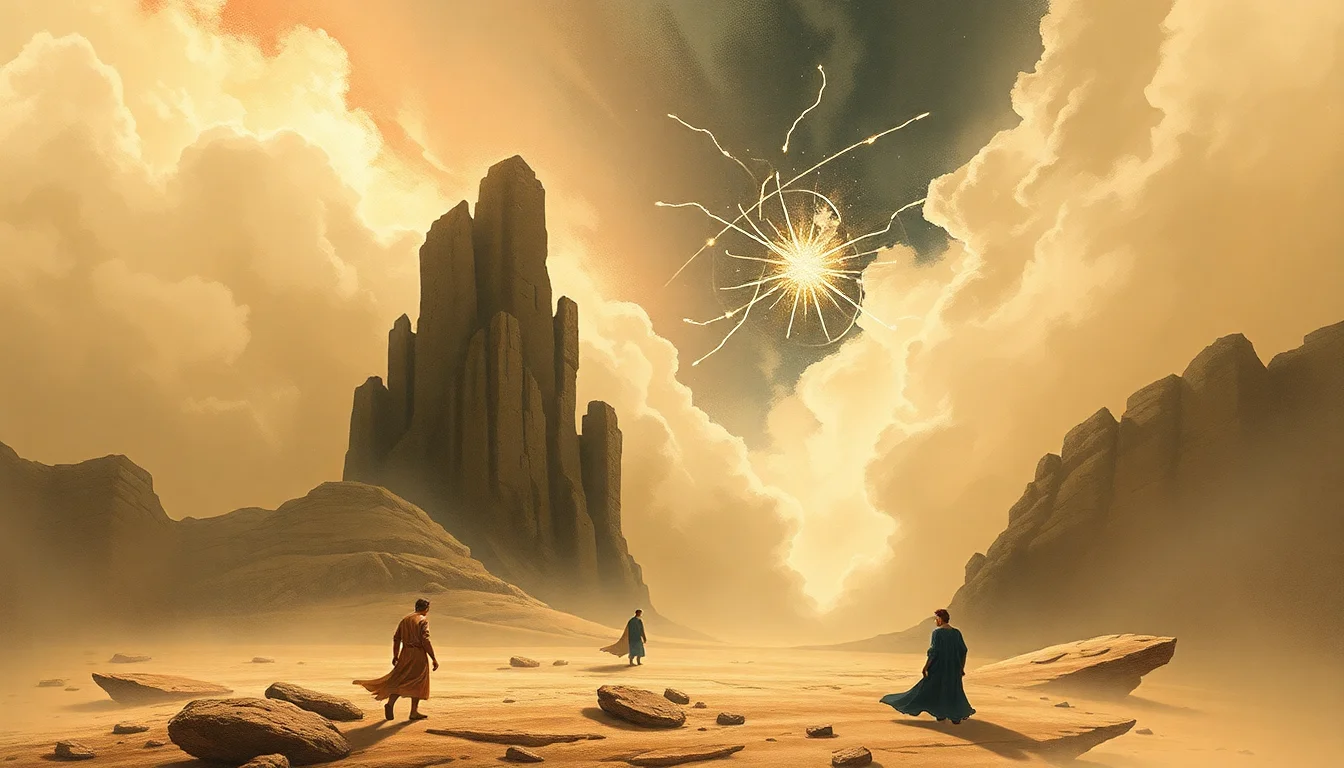
The Apocalyptic Visionary, as Martin came to be known, was fascinated by the destructive power of nature and the supernatural. His paintings often depicted cataclysmic events, such as earthquakes, floods, and fires, which were inspired by the Book of Revelation. Martin's work was not only a reflection of his own fears and anxieties but also a commentary on the social and economic upheavals of his time. The Industrial Revolution had brought about significant changes to the British landscape, and Martin's paintings captured the sense of uncertainty and chaos that accompanied these changes. His work has been compared to that of Francisco Goya, who also explored themes of destruction and chaos in his art.
🌐 Influence of the Industrial Revolution
The Industrial Revolution had a profound impact on Martin's work, as it transformed the British landscape and created new opportunities for artists. The development of new technologies and manufacturing processes allowed for the mass production of art, making it more accessible to a wider audience. Martin was one of the first artists to take advantage of these new technologies, using them to create intricate and detailed engravings. His work was also influenced by the Gothic architecture of the time, which emphasized grandeur, drama, and the sublime. The Liverpool Cathedral, with its imposing structure and intricate details, was a source of inspiration for Martin's paintings.
📚 Literary Inspirations
Martin's literary inspirations were diverse and far-reaching. He was particularly drawn to the works of John Milton, whose epic poem 'Paradise Lost' explored themes of creation, sin, and redemption. Martin's own work often featured similar themes, as seen in his painting 'The Fall of Babylon'. He was also influenced by the Byron's poetry, which emphasized the beauty and power of nature. The Shakespearean plays, with their dramatic plots and complex characters, were another source of inspiration for Martin's work.
🎭 Theatrical Collaborations
Martin's theatrical collaborations were an important aspect of his career. He worked with several prominent theater companies, designing sets and costumes for productions of Shakespeare's plays. His designs were known for their grandeur and drama, and he was particularly skilled at creating intricate and detailed backdrops. Martin's work in the theater also influenced his paintings, which often featured dramatic and dynamic compositions. The Drury Lane Theatre was one of the prominent theaters where Martin's designs were featured.
🖼️ Artistic Style and Technique
Martin's artistic style and technique were unique and innovative for his time. He was a master of chiaroscuro, using strong contrasts of light and dark to create a sense of drama and tension. His paintings often featured intricate details and textures, which were achieved through the use of complex layering and glazing techniques. Martin's use of color was also highly expressive, with a focus on bold and vibrant hues. The Royal Academy recognized Martin's talent, and he was elected as a member in 1831.
🌪️ Cataclysmic Landscapes
Cataclysmic landscapes were a hallmark of Martin's work, and he was particularly drawn to depicting scenes of destruction and chaos. His paintings often featured massive earthquakes, floods, and fires, which were inspired by the Biblical accounts of creation and destruction. Martin's use of light and color added to the sense of drama and tension in these paintings, creating a sense of awe and wonder in the viewer. The Mount Vesuvius eruption was one of the natural disasters that inspired Martin's work.
👥 Criticisms and Controversies
Despite his commercial success, Martin's work was not without criticisms and controversies. Some critics felt that his paintings were too dramatic and over-the-top, while others saw them as a reflection of the social and economic upheavals of the time. Martin's use of bold and vibrant colors was also seen as innovative and expressive by some, but as garish and overwhelming by others. The Art Criticism of the time was divided, with some critics praising Martin's work, while others dismissed it as sensationalist.
📊 Commercial Success and Legacy
Martin's commercial success was significant, and he was one of the most popular and highly paid artists of his time. His paintings were highly sought after by collectors and connoisseurs, and he was able to command high prices for his work. Martin's success was not limited to his paintings, as he also made a significant amount of money from his engravings and illustrations. The Art Market of the time was booming, and Martin was one of the artists who benefited from it.
🔮 Modern Interpretations and Relevance
Modern interpretations and relevance of Martin's work continue to be a topic of interest and debate. Some see his paintings as a commentary on the social and economic upheavals of his time, while others view them as a reflection of his own personal fears and anxieties. Martin's use of light and color has also been seen as a precursor to the Impressionist movement, which emphasized the capture of light and color in outdoor settings. The Environmentalism movement has also drawn parallels with Martin's work, which often depicted the destructive power of nature.
👀 Conclusion and Lasting Impact
In conclusion, John Martin was a unique and innovative artist, whose work continues to inspire and fascinate audiences today. His dramatic and often apocalyptic landscapes captured the sense of uncertainty and chaos that accompanied the Industrial Revolution, and his use of light and color added to the sense of drama and tension in his paintings. As we look to the future, Martin's work remains a powerful reminder of the importance of art in capturing the human experience. The Art World continues to be influenced by Martin's work, and his legacy can be seen in the work of many contemporary artists.
Key Facts
- Year
- 1789
- Origin
- Haydon Bridge, Northumberland, England
- Category
- Art and Culture
- Type
- Person
Frequently Asked Questions
What was John Martin's most famous painting?
John Martin's most famous painting is 'The Great Day of His Wrath', which depicts a cataclysmic event inspired by the Book of Revelation. The painting is a masterpiece of Apocalyptic Art and continues to be widely admired and studied today. It is considered one of the most important works of the Romantic movement.
What inspired John Martin's apocalyptic landscapes?
John Martin's apocalyptic landscapes were inspired by the Biblical accounts of creation and destruction, as well as the social and economic upheavals of his time. The Industrial Revolution had brought about significant changes to the British landscape, and Martin's paintings captured the sense of uncertainty and chaos that accompanied these changes. The Gothic architecture of the time was also an influence on Martin's work.
What was John Martin's artistic style and technique?
John Martin's artistic style and technique were unique and innovative for his time. He was a master of Chiaroscuro, using strong contrasts of light and dark to create a sense of drama and tension. His paintings often featured intricate details and textures, which were achieved through the use of complex layering and glazing techniques. The Royal Academy recognized Martin's talent, and he was elected as a member in 1831.
What was John Martin's commercial success?
John Martin's commercial success was significant, and he was one of the most popular and highly paid artists of his time. His paintings were highly sought after by collectors and connoisseurs, and he was able to command high prices for his work. The Art Market of the time was booming, and Martin was one of the artists who benefited from it.
What is the modern interpretation and relevance of John Martin's work?
Modern interpretations and relevance of John Martin's work continue to be a topic of interest and debate. Some see his paintings as a commentary on the social and economic upheavals of his time, while others view them as a reflection of his own personal fears and anxieties. The Environmentalism movement has also drawn parallels with Martin's work, which often depicted the destructive power of nature. The Art World continues to be influenced by Martin's work, and his legacy can be seen in the work of many contemporary artists.