
Contents
- 👨💻 Introduction to Jakob Nielsen
- 💡 Early Life and Education
- 📊 Career and Contributions
- 📈 Influence on Web Design
- 📊 Heuristics and Usability Principles
- 📊 Criticisms and Controversies
- 📊 Nielsen Norman Group
- 📊 Awards and Recognition
- 📊 Impact on Modern Web Design
- 📊 Future of Web Usability
- 📊 Conclusion
- Frequently Asked Questions
- Related Topics
Overview
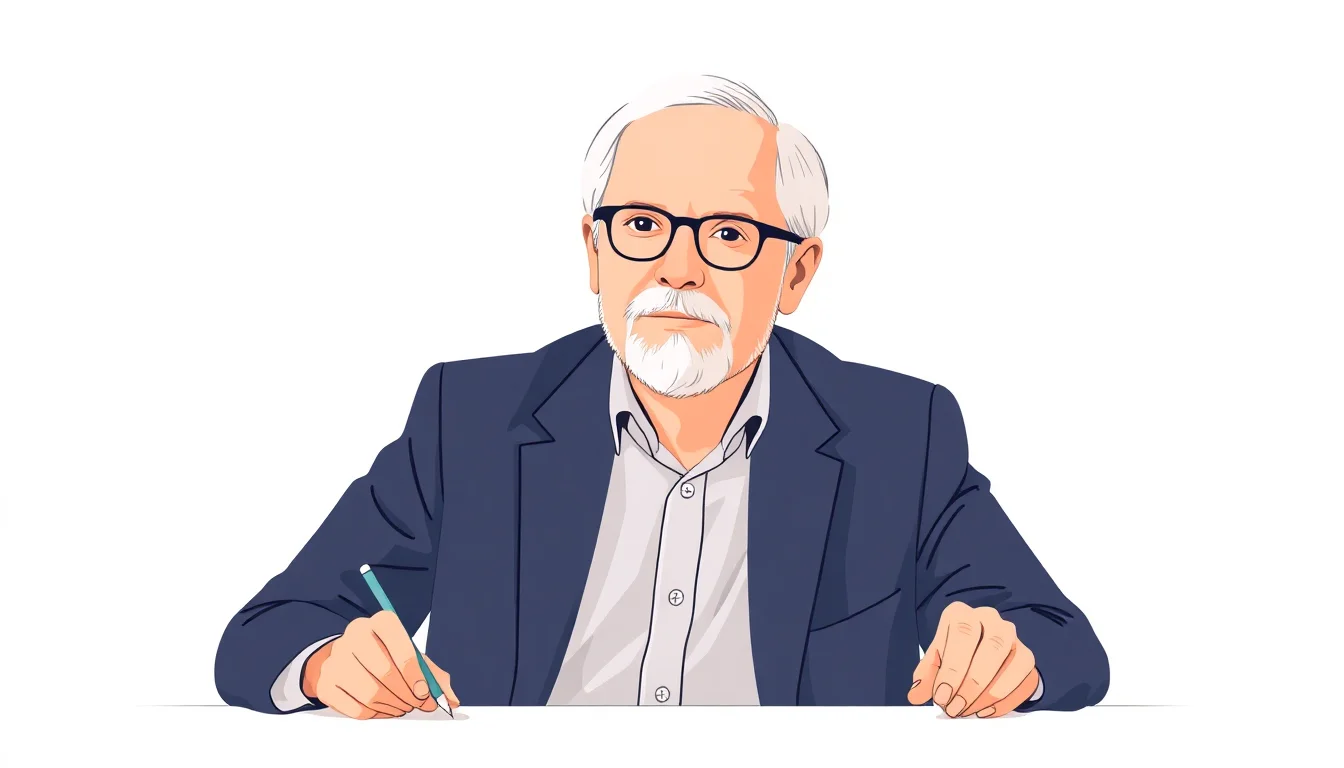
Jakob Nielsen is a Danish web usability consultant, widely recognized for his work on making the web more user-friendly. With a Ph.D. in human-computer interaction from the Technical University of Denmark, Nielsen has been a prominent figure in the field since the early 1990s. He co-founded Nielsen Norman Group with Don Norman in 1998, a firm specializing in user experience research, consulting, and training. Nielsen's work has significantly impacted web design, emphasizing simplicity, clarity, and accessibility. His critiques of popular websites and applications have been widely reported, often sparking debate and discussion among designers and developers. With a vibe score of 8, reflecting his significant influence on the digital landscape, Nielsen continues to shape the way we interact with technology, pushing for designs that are intuitive, efficient, and enjoyable for all users.
👨💻 Introduction to Jakob Nielsen
Jakob Nielsen is a renowned web usability consultant, known for his work on human-computer interaction and user experience design. Born on March 5, 1957, in Copenhagen, Denmark, Nielsen has been a prominent figure in the field of web usability since the early 1990s. He is the co-founder of the Nielsen Norman Group, a leading consulting firm that specializes in usability testing and user research. Nielsen's work has had a significant impact on the way we design and interact with websites, and his principles of web usability continue to influence web design and user experience today.
💡 Early Life and Education
Nielsen's early life and education played a significant role in shaping his career. He earned his master's degree in computer science from the Technical University of Denmark in 1986. During his time at the university, Nielsen developed a strong interest in human-computer interaction and began to explore the field of usability engineering. After completing his education, Nielsen worked as a researcher at the Technical University of Denmark, where he focused on user interface design and usability testing. His work during this period laid the foundation for his future contributions to the field of web usability, including his work on information architecture and interaction design.
📊 Career and Contributions
Nielsen's career has been marked by numerous contributions to the field of web usability. In the early 1990s, he worked as a researcher at Sun Microsystems, where he developed the concept of heuristic evaluation. This method involves evaluating a website's usability by checking it against a set of established usability principles, such as clarity and consistency. Nielsen's work on heuristic evaluation has had a lasting impact on the field of web usability, and his principles continue to influence web design and user experience today. He has also written extensively on topics such as web accessibility and user-centered design, and has been a vocal advocate for the importance of usability testing and user research in the design process.
📈 Influence on Web Design
Nielsen's influence on web design has been significant. His work on heuristic evaluation and usability principles has helped to shape the way we design and interact with websites. He has also been a vocal advocate for the importance of user-centered design, and has written extensively on topics such as web accessibility and information architecture. Nielsen's principles of web usability have been widely adopted, and his work continues to influence web design and user experience today. For example, his work on mobiile usability has helped to inform the design of mobile websites and applications, and his principles of usability testing have been applied to a wide range of contexts, including e-commerce and education.
📊 Heuristics and Usability Principles
Nielsen's heuristics and usability principles are widely recognized as a standard for web usability. His work on heuristic evaluation has helped to establish a set of principles for evaluating a website's usability, including visibility of system status and user control and freedom. Nielsen's principles of web usability have been widely adopted, and his work continues to influence web design and user experience today. He has also written extensively on topics such as error prevention and recovery and help and documentation, and has been a vocal advocate for the importance of usability testing and user research in the design process. For example, his work on user-centered design has helped to inform the design of websites and applications, and his principles of usability testing have been applied to a wide range of contexts, including e-commerce and education.
📊 Criticisms and Controversies
Despite his significant contributions to the field of web usability, Nielsen has not been without his critics. Some have argued that his principles of web usability are too rigid, and that they do not account for the complexities of modern web design. Others have criticized his approach to usability testing, arguing that it is too focused on quantitative research and does not adequately account for qualitative research. Nielsen has also been criticized for his views on web accessibility, with some arguing that his approach is too narrow and does not adequately account for the needs of users with disabilities. For example, his work on accessibility guidelines has been criticized for being too focused on technical compliance, rather than on the actual experiences of users with disabilities.
📊 Nielsen Norman Group
The Nielsen Norman Group is a leading consulting firm that specializes in usability testing and user research. Founded by Nielsen and his colleague Don Norman in 1998, the company has worked with a wide range of clients, including Google, Amazon, and Microsoft. The company's work focuses on helping organizations to improve the usability and user experience of their websites and applications, and has been widely recognized for its expertise in the field of web usability. For example, the company's work on user-centered design has helped to inform the design of websites and applications, and its principles of usability testing have been applied to a wide range of contexts, including e-commerce and education.
📊 Awards and Recognition
Nielsen has received numerous awards and recognition for his contributions to the field of web usability. He has been named one of the most influential people in the technology industry by Time Magazine, and has received the Dr. Dobb's Excellence in Computing award for his work on human-computer interaction. Nielsen has also been recognized for his contributions to the field of usability engineering, and has received the Usability Professionals' Association award for his work on usability testing. For example, his work on user-centered design has been recognized for its impact on the design of websites and applications, and his principles of usability testing have been applied to a wide range of contexts, including e-commerce and education.
📊 Impact on Modern Web Design
Nielsen's work has had a significant impact on modern web design. His principles of web usability have been widely adopted, and his work continues to influence web design and user experience today. For example, his work on mobiile usability has helped to inform the design of mobile websites and applications, and his principles of usability testing have been applied to a wide range of contexts, including e-commerce and education. Nielsen's work has also had a significant impact on the field of user experience, and has helped to establish a set of principles for evaluating a website's usability. As the web continues to evolve, Nielsen's work will remain an important influence on the design of websites and applications, and his principles of web usability will continue to shape the way we interact with technology.
📊 Future of Web Usability
As we look to the future of web usability, it is clear that Nielsen's work will continue to play an important role. His principles of web usability have been widely adopted, and his work continues to influence web design and user experience today. For example, his work on artificial intelligence and machine learning has helped to inform the design of websites and applications, and his principles of usability testing have been applied to a wide range of contexts, including e-commerce and education. As the web continues to evolve, Nielsen's work will remain an important influence on the design of websites and applications, and his principles of web usability will continue to shape the way we interact with technology. However, it is also important to consider the potential limitations and challenges of Nielsen's approach, and to think critically about how his principles can be applied in different contexts.
📊 Conclusion
In conclusion, Jakob Nielsen is a renowned web usability consultant who has had a significant impact on the field of web usability. His work on heuristic evaluation and usability principles has helped to establish a set of principles for evaluating a website's usability, and his principles of web usability have been widely adopted. Nielsen's work has also had a significant impact on the field of user experience, and has helped to establish a set of principles for evaluating a website's usability. As the web continues to evolve, Nielsen's work will remain an important influence on the design of websites and applications, and his principles of web usability will continue to shape the way we interact with technology.
Key Facts
- Year
- 1998
- Origin
- Denmark
- Category
- Technology
- Type
- Person
Frequently Asked Questions
What is Jakob Nielsen's background?
Jakob Nielsen is a renowned web usability consultant, known for his work on human-computer interaction and user experience design. He earned his master's degree in computer science from the Technical University of Denmark in 1986. Nielsen's early life and education played a significant role in shaping his career, and his work on usability engineering and user-centered design has had a lasting impact on the field of web usability.
What is the Nielsen Norman Group?
The Nielsen Norman Group is a leading consulting firm that specializes in usability testing and user research. Founded by Nielsen and his colleague Don Norman in 1998, the company has worked with a wide range of clients, including Google, Amazon, and Microsoft. The company's work focuses on helping organizations to improve the usability and user experience of their websites and applications.
What are Jakob Nielsen's principles of web usability?
Nielsen's principles of web usability are a set of guidelines for evaluating a website's usability. They include visibility of system status, user control and freedom, and consistency and standards. Nielsen's principles of web usability have been widely adopted, and his work continues to influence web design and user experience today.
What is Jakob Nielsen's impact on modern web design?
Nielsen's work has had a significant impact on modern web design. His principles of web usability have been widely adopted, and his work continues to influence web design and user experience today. For example, his work on mobiile usability has helped to inform the design of mobile websites and applications, and his principles of usability testing have been applied to a wide range of contexts, including e-commerce and education.
What are some criticisms of Jakob Nielsen's approach?
Despite his significant contributions to the field of web usability, Nielsen has not been without his critics. Some have argued that his principles of web usability are too rigid, and that they do not account for the complexities of modern web design. Others have criticized his approach to usability testing, arguing that it is too focused on quantitative research and does not adequately account for qualitative research. Nielsen has also been criticized for his views on web accessibility, with some arguing that his approach is too narrow and does not adequately account for the needs of users with disabilities.
What is the future of web usability?
As we look to the future of web usability, it is clear that Nielsen's work will continue to play an important role. His principles of web usability have been widely adopted, and his work continues to influence web design and user experience today. For example, his work on artificial intelligence and machine learning has helped to inform the design of websites and applications, and his principles of usability testing have been applied to a wide range of contexts, including e-commerce and education. As the web continues to evolve, Nielsen's work will remain an important influence on the design of websites and applications, and his principles of web usability will continue to shape the way we interact with technology.
How can I apply Jakob Nielsen's principles to my own work?
To apply Nielsen's principles to your own work, start by conducting usability testing and user research to understand the needs and behaviors of your users. Use Nielsen's principles of web usability as a guide to evaluate the usability of your website or application, and make design decisions that prioritize user-centered design and accessibility. Consider the vibe score of your website or application, and use it to inform your design decisions. Additionally, consider the perspective breakdown of your users, and use it to identify areas for improvement.