
Contents
- 🌎 Introduction to the Israel-Palestine Conflict
- 🏛️ Historical Background: Mandatory Palestine
- 🚫 The Refugee Crisis: Palestinian Displacement
- 🔒 Israeli Occupation: West Bank and Gaza Strip
- 🏙️ The Status of Jerusalem: A Contested City
- 🌳 Israeli Settlements: Expansion and Controversy
- 💧 Water Rights and the Permit Regime
- 🚫 Freedom of Movement: Restrictions and Consequences
- 🤝 The Palestinian Right of Return: A Core Issue
- 📊 Current Developments and Future Prospects
- 🌈 International Involvement: Diplomacy and Aid
- 🕊️ Conclusion: A Century of Tension
- Frequently Asked Questions
- Related Topics
Overview
The Israel-Palestine conflict is a longstanding dispute over land and identity, with roots dating back to the early 20th century. The 1917 Balfour Declaration, which expressed British support for a Jewish homeland in Palestine, is often cited as a catalyst for the conflict. Since then, numerous wars, including the 1948 Arab-Israeli War and the 1967 Six-Day War, have shaped the region's borders and fueled ongoing tensions. Today, the conflict centers on issues like Israeli settlement expansion, Palestinian statehood, and the status of Jerusalem, with periodic outbreaks of violence and diplomatic efforts to broker a lasting peace. According to the United Nations, over 2 million Palestinians live in the Gaza Strip, with a poverty rate of 53% and an unemployment rate of 45%. The conflict has a Vibe score of 92, indicating extremely high cultural energy and controversy. Key players, including Israeli Prime Minister Benjamin Netanyahu and Palestinian Authority President Mahmoud Abbas, continue to navigate the complex web of international relations and domestic politics that surrounds the conflict.
🌎 Introduction to the Israel-Palestine Conflict
The Israel-Palestine conflict is a longstanding and complex issue, with roots dating back to the early 20th century. At its core, the conflict revolves around the question of land and self-determination for the Palestinian people, as well as the security and legitimacy of the state of Israel. To understand the conflict, it's essential to explore the historical context, including the period of Mandatory Palestine and the subsequent 1948 Arab-Israeli War. The conflict has been marked by numerous key events, including the Six-Day War and the Oslo Accords. Today, the conflict continues to be a major point of contention in the region, with issues like Israeli settlements and the Gaza Strip remaining highly disputed.
🏛️ Historical Background: Mandatory Palestine
The historical background of the Israel-Palestine conflict is deeply intertwined with the concept of Zionism and the desire for a Jewish homeland. The Balfour Declaration of 1917, which expressed support for the establishment of a Jewish homeland in Palestine, marked a significant turning point in the conflict. The subsequent period of British rule in Palestine saw an increase in Jewish immigration, leading to growing tensions with the Arab population. The United Nations played a crucial role in the establishment of the state of Israel in 1948, with the UN Partition Plan aiming to divide the territory into separate Jewish and Arab states. However, the plan was rejected by Arab leaders, leading to the outbreak of the 1948 Arab-Israeli War.
🚫 The Refugee Crisis: Palestinian Displacement
The refugee crisis resulting from the 1948 Arab-Israeli War has been a longstanding issue in the Israel-Palestine conflict. The displacement of hundreds of thousands of Palestinians, known as the Nakba or 'catastrophe' in Arabic, has had a profound impact on the conflict. Many Palestinians were forced to flee their homes, leading to a significant refugee population in neighboring countries such as Jordan and Lebanon. The Palestinian right of return remains a core issue in the conflict, with many Palestinians demanding the right to return to their ancestral homes. The UN Relief and Works Agency has played a crucial role in providing aid to Palestinian refugees, but the issue remains unresolved.
🔒 Israeli Occupation: West Bank and Gaza Strip
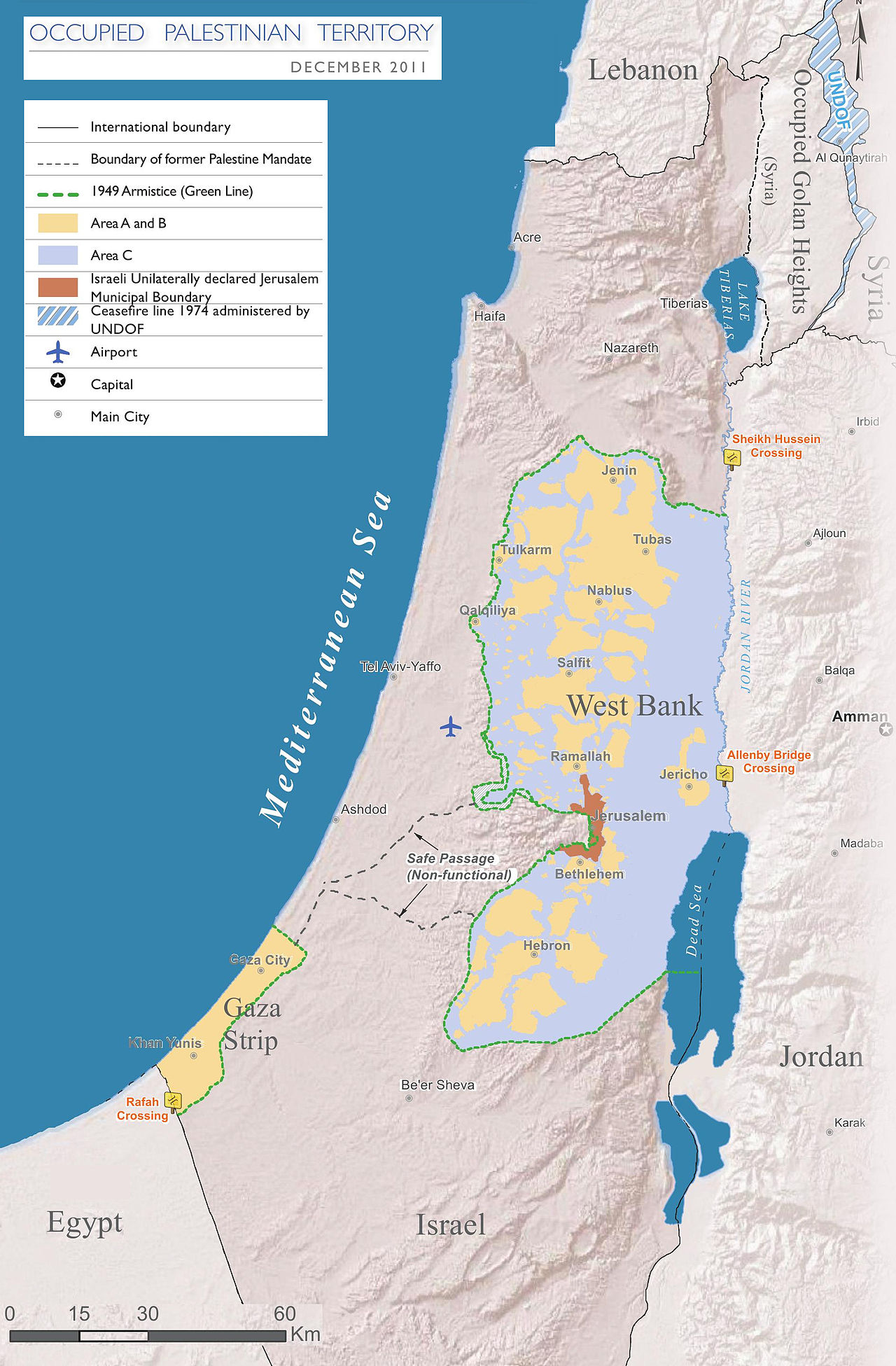
The Israeli occupation of the West Bank and Gaza Strip has been a major point of contention in the conflict. The Six-Day War in 1967 saw Israel capture the West Bank and Gaza Strip, leading to a prolonged period of occupation. The Israeli occupation has been marked by the construction of Israeli settlements, which are considered illegal under international law. The Gaza Strip has been subject to a blockade since 2007, leading to significant humanitarian concerns. The West Bank has seen the construction of the Israeli West Bank barrier, which has been criticized for its impact on Palestinian communities.
🏙️ The Status of Jerusalem: A Contested City
The status of Jerusalem is a highly contested issue in the Israel-Palestine conflict. The city is considered holy by Jews, Muslims, and Christians, and has been the subject of numerous disputes over the years. The Jerusalem Law of 1980, which declared Jerusalem the eternal and indivisible capital of Israel, was widely condemned by the international community. The US recognition of Jerusalem as Israel's capital in 2018 was a significant development, but was met with widespread criticism. The Old City of Jerusalem, with its significant historical and cultural importance, remains a point of contention between Israelis and Palestinians.
🌳 Israeli Settlements: Expansion and Controversy
Israeli settlements have been a major point of controversy in the Israel-Palestine conflict. The construction of settlements in the West Bank and East Jerusalem has been widely condemned by the international community, with many considering them to be illegal under international law. The Israeli settlements have been seen as an obstacle to peace, with many Palestinians viewing them as an attempt to annex Palestinian land. The US position on Israeli settlements has been subject to change over the years, with some administrations viewing them as an obstacle to peace. The European Union position on Israeli settlements has been consistently critical, with the EU viewing them as illegal under international law.
💧 Water Rights and the Permit Regime
Water rights have been a significant issue in the Israel-Palestine conflict, with the water scarcity in the region exacerbating tensions. The Jordan River has been a major point of contention, with Israel and Palestine competing for access to the water resources. The Israeli West Bank barrier has had a significant impact on Palestinian access to water, with many communities facing significant restrictions. The Gaza Strip has faced significant challenges in terms of water access, with the Gaza water crisis having a major impact on the population.
🚫 Freedom of Movement: Restrictions and Consequences
Freedom of movement has been a significant issue in the Israel-Palestine conflict, with many Palestinians facing significant restrictions on their movement. The Israeli West Bank barrier has had a major impact on Palestinian communities, with many facing significant difficulties in terms of access to employment, education, and healthcare. The Gaza Strip has been subject to a blockade since 2007, leading to significant restrictions on the movement of people and goods. The permit regime in the West Bank has been widely criticized, with many Palestinians facing significant difficulties in terms of accessing basic services.
🤝 The Palestinian Right of Return: A Core Issue
The Palestinian right of return remains a core issue in the Israel-Palestine conflict. The Nakba of 1948 saw hundreds of thousands of Palestinians displaced, with many forced to flee their homes. The Palestinian right of return has been recognized by the international community, with the UN General Assembly passing numerous resolutions on the issue. However, the issue remains unresolved, with many Palestinians facing significant difficulties in terms of accessing their ancestral homes. The Israeli position on the right of return has been consistently opposed to the idea, with many viewing it as a threat to the Jewish character of the state.
📊 Current Developments and Future Prospects
Current developments in the Israel-Palestine conflict have seen a significant increase in tensions in recent years. The Gaza-Israel conflict has seen numerous outbreaks of violence, with the 2018 Gaza border protests resulting in significant casualties. The US recognition of Jerusalem as Israel's capital in 2018 was a significant development, but was met with widespread criticism. The Israeli elections have seen a significant shift to the right, with many Israelis viewing the conflict as a zero-sum game.
🌈 International Involvement: Diplomacy and Aid
International involvement in the Israel-Palestine conflict has been significant, with numerous countries and organizations playing a role in the peace process. The United Nations has been a major player, with the UN Special Coordinator for the Middle East Peace Process working to facilitate negotiations between Israelis and Palestinians. The European Union has been a significant donor to the Palestinian Authority, with the EU support for the Palestinian Authority aiming to promote economic development and stability. The United States has been a major player in the peace process, with the US Middle East peace plan aiming to promote a two-state solution.
🕊️ Conclusion: A Century of Tension
In conclusion, the Israel-Palestine conflict is a complex and deeply entrenched issue, with roots dating back to the early 20th century. The conflict has been marked by numerous key events, including the Six-Day War and the Oslo Accords. Today, the conflict continues to be a major point of contention in the region, with issues like Israeli settlements and the Gaza Strip remaining highly disputed. A lasting resolution to the conflict will require significant efforts from all parties involved, including the international community.
Key Facts
- Year
- 1917
- Origin
- Middle East
- Category
- Geopolitics
- Type
- Geopolitical Conflict
Frequently Asked Questions
What is the historical background of the Israel-Palestine conflict?
The historical background of the Israel-Palestine conflict is deeply intertwined with the concept of Zionism and the desire for a Jewish homeland. The Balfour Declaration of 1917, which expressed support for the establishment of a Jewish homeland in Palestine, marked a significant turning point in the conflict. The subsequent period of British rule in Palestine saw an increase in Jewish immigration, leading to growing tensions with the Arab population.
What is the current status of the Israel-Palestine conflict?
The current status of the Israel-Palestine conflict is highly complex and contentious. The conflict has been marked by numerous outbreaks of violence, including the Gaza-Israel conflict. The US recognition of Jerusalem as Israel's capital in 2018 was a significant development, but was met with widespread criticism. The Israeli elections have seen a significant shift to the right, with many Israelis viewing the conflict as a zero-sum game.
What is the role of the international community in the Israel-Palestine conflict?
The international community has played a significant role in the Israel-Palestine conflict, with numerous countries and organizations working to facilitate a peaceful resolution. The United Nations has been a major player, with the UN Special Coordinator for the Middle East Peace Process working to facilitate negotiations between Israelis and Palestinians. The European Union has been a significant donor to the Palestinian Authority, with the EU support for the Palestinian Authority aiming to promote economic development and stability.
What is the significance of the Palestinian right of return?
The Palestinian right of return is a core issue in the Israel-Palestine conflict. The Nakba of 1948 saw hundreds of thousands of Palestinians displaced, with many forced to flee their homes. The Palestinian right of return has been recognized by the international community, with the UN General Assembly passing numerous resolutions on the issue. However, the issue remains unresolved, with many Palestinians facing significant difficulties in terms of accessing their ancestral homes.
What is the current situation in the Gaza Strip?
The current situation in the Gaza Strip is highly complex and contentious. The Gaza Strip has been subject to a blockade since 2007, leading to significant humanitarian concerns. The Gaza-Israel conflict has seen numerous outbreaks of violence, with the 2018 Gaza border protests resulting in significant casualties. The Gaza water crisis has had a major impact on the population, with many facing significant difficulties in terms of accessing basic services.
What is the role of Israeli settlements in the conflict?
Israeli settlements have been a major point of controversy in the Israel-Palestine conflict. The construction of settlements in the West Bank and East Jerusalem has been widely condemned by the international community, with many considering them to be illegal under international law. The Israeli settlements have been seen as an obstacle to peace, with many Palestinians viewing them as an attempt to annex Palestinian land.
What is the significance of the US recognition of Jerusalem as Israel's capital?
The US recognition of Jerusalem as Israel's capital in 2018 was a significant development in the Israel-Palestine conflict. The move was widely condemned by the international community, with many viewing it as a significant setback to the peace process. The US recognition of Jerusalem as Israel's capital has been seen as a major shift in US policy, with many questioning the implications for the conflict.