
Contents
- 🔍 Introduction to ISI: Unpacking the Mysteries
- 🕵️♂️ History of Inter-Services Intelligence
- 🌐 Global Presence and Influence
- 🤝 Cooperation and Controversies
- 📊 Organizational Structure and Operations
- 🔒 Counter-Intelligence and Security Measures
- 📰 Media Portrayal and Public Perception
- 📈 Future Directions and Challenges
- 🤝 International Partnerships and Collaborations
- 🚫 Criticisms and Controversy Spectrums
- 📊 Topic Intelligence and Key Takeaways
- Frequently Asked Questions
- Related Topics
Overview
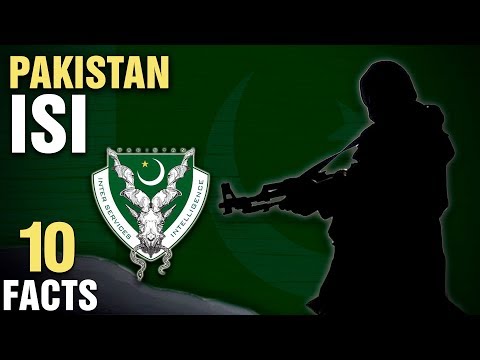
The Inter-Services Intelligence (ISI) is the premier intelligence agency of Pakistan, responsible for gathering, analyzing, and disseminating critical information to support national security decision-making. With a rich history dating back to 1948, the ISI has evolved into a complex and multifaceted organization, with a wide range of responsibilities and activities. The agency's role in counter-terrorism and counter-intelligence has been particularly significant, with a focus on protecting Pakistan's interests and stability in the region. As a key player in the global intelligence community, the ISI has established partnerships with other agencies, including the CIA and MI6. However, the agency has also faced criticism and controversy, particularly with regards to its alleged involvement in terrorism and espionage.
🕵️♂️ History of Inter-Services Intelligence
The history of the ISI is closely tied to the development of Pakistan as a nation-state. Founded in 1948 by Major General William Joseph Cawthorn, the agency was initially responsible for collecting and analyzing intelligence on India and other regional powers. Over time, the ISI's mandate expanded to include counter-intelligence, counter-terrorism, and other activities. The agency has played a significant role in several key events, including the Soviet-Afghan War and the Kashmir Conflict. The ISI has also been involved in various covert operations, including the support of militant groups in Kashmir and Afghanistan. As a result, the agency has been the subject of much speculation and controversy, with some critics accusing it of supporting terrorism and extremism.
🌐 Global Presence and Influence
The ISI has a significant global presence, with operations and partnerships in several regions. The agency has established relationships with other intelligence agencies, including the CIA and MI6, and has participated in various international counter-terrorism efforts. The ISI has also been involved in several high-profile intelligence operations, including the capture of Khalid Sheikh Mohammed and other senior al-Qaeda leaders. However, the agency's global activities have also been the subject of controversy, with some critics accusing it of supporting terrorism and extremism in various parts of the world. The ISI has also been involved in various cyber operations, including the hacking of Indian and Afghan government websites. As a result, the agency has been the subject of much speculation and debate, with some experts questioning its role in the global intelligence community.
🤝 Cooperation and Controversies
The ISI has been involved in several controversies and criticisms over the years, including allegations of supporting terrorism and extremism. The agency has also been accused of human rights abuses, including the torture and disappearance of dissidents and activists. However, the ISI has also been recognized for its role in supporting counter-terrorism efforts and protecting Pakistan's national security. The agency has established partnerships with other intelligence agencies, including the CIA and MI6, and has participated in various international counter-terrorism efforts. As a result, the ISI has been the subject of much debate and discussion, with some experts questioning its role in the global intelligence community. The agency's relationship with the Pakistan Army has also been the subject of controversy, with some critics accusing it of being too closely tied to the military.
📊 Organizational Structure and Operations
The ISI is a complex and multifaceted organization, with a wide range of responsibilities and activities. The agency is headed by a Director-General, who is responsible for overseeing the agency's operations and activities. The ISI is divided into several departments, including the Joint Intelligence Bureau and the Joint Counter Intelligence Bureau. The agency has a significant budget and resources, and is responsible for gathering, analyzing, and disseminating critical information to support national security decision-making. The ISI has also been involved in various covert operations, including the support of militant groups in Kashmir and Afghanistan. As a result, the agency has been the subject of much speculation and controversy, with some critics accusing it of supporting terrorism and extremism.
🔒 Counter-Intelligence and Security Measures
The ISI has a number of security measures in place to protect its operations and activities. The agency has a significant counter-intelligence capability, which is responsible for detecting and preventing espionage and other security threats. The ISI also has a number of cyber security measures in place, including firewalls and intrusion detection systems. However, the agency has also been the subject of several high-profile cyber attacks, including the hacking of its website and social media accounts. As a result, the ISI has been forced to adapt and evolve its security measures, including the use of encryption and other cyber security technologies. The agency's relationship with the Pakistan Army has also been the subject of controversy, with some critics accusing it of being too closely tied to the military.
📰 Media Portrayal and Public Perception
The ISI has been the subject of much media attention and public debate over the years. The agency has been portrayed in various films and television shows, including Homeland and Zero Dark Thirty. However, the ISI has also been the subject of criticism and controversy, with some critics accusing it of supporting terrorism and extremism. The agency has also been accused of human rights abuses, including the torture and disappearance of dissidents and activists. As a result, the ISI has been the subject of much speculation and debate, with some experts questioning its role in the global intelligence community. The agency's relationship with the Pakistan Army has also been the subject of controversy, with some critics accusing it of being too closely tied to the military.
📈 Future Directions and Challenges
The future of the ISI is likely to be shaped by a number of factors, including the evolving security landscape in South Asia and the ongoing War on Terror. The agency will likely continue to play a significant role in supporting counter-terrorism efforts and protecting Pakistan's national security. However, the ISI will also face a number of challenges, including the need to adapt to new technologies and threats, and to address concerns about its human rights record. As a result, the agency will need to evolve and adapt, including by developing new capabilities and partnerships. The ISI's relationship with the Pakistan Army will also be an important factor, with some critics accusing it of being too closely tied to the military. The agency's role in the global intelligence community will also be subject to debate and discussion, with some experts questioning its role in supporting counter-terrorism efforts.
🤝 International Partnerships and Collaborations
The ISI has established partnerships with other intelligence agencies, including the CIA and MI6. The agency has participated in various international counter-terrorism efforts, including the capture of Khalid Sheikh Mohammed and other senior al-Qaeda leaders. However, the ISI has also been accused of supporting terrorism and extremism in various parts of the world. As a result, the agency has been the subject of much speculation and debate, with some experts questioning its role in the global intelligence community. The ISI's relationship with the Pakistan Army has also been the subject of controversy, with some critics accusing it of being too closely tied to the military. The agency's role in supporting counter-terrorism efforts will likely continue to be an important factor in its relationships with other intelligence agencies.
🚫 Criticisms and Controversy Spectrums
The ISI has been the subject of much criticism and controversy over the years, including allegations of supporting terrorism and extremism. The agency has also been accused of human rights abuses, including the torture and disappearance of dissidents and activists. However, the ISI has also been recognized for its role in supporting counter-terrorism efforts and protecting Pakistan's national security. As a result, the agency has been the subject of much debate and discussion, with some experts questioning its role in the global intelligence community. The ISI's relationship with the Pakistan Army has also been the subject of controversy, with some critics accusing it of being too closely tied to the military. The agency's role in supporting counter-terrorism efforts will likely continue to be an important factor in its relationships with other intelligence agencies.
📊 Topic Intelligence and Key Takeaways
The ISI is a complex and multifaceted organization, with a wide range of responsibilities and activities. The agency has a significant role to play in supporting counter-terrorism efforts and protecting Pakistan's national security. However, the ISI has also been the subject of much criticism and controversy, including allegations of supporting terrorism and extremism. As a result, the agency will need to evolve and adapt, including by developing new capabilities and partnerships. The ISI's relationship with the Pakistan Army will also be an important factor, with some critics accusing it of being too closely tied to the military. The agency's role in the global intelligence community will also be subject to debate and discussion, with some experts questioning its role in supporting counter-terrorism efforts.
Key Facts
- Year
- 1948
- Origin
- Pakistan
- Category
- Geopolitics and Intelligence
- Type
- Intelligence Agency
Frequently Asked Questions
What is the primary role of the ISI?
The primary role of the ISI is to gather, analyze, and disseminate critical information to support national security decision-making. The agency is responsible for supporting counter-terrorism efforts and protecting Pakistan's national security. The ISI has a wide range of responsibilities and activities, including counter-intelligence, counter-terrorism, and covert operations.
What is the history of the ISI?
The ISI was founded in 1948 by Major General William Joseph Cawthorn. The agency has a rich history, with a significant role in several key events, including the Soviet-Afghan War and the Kashmir Conflict. The ISI has also been involved in various covert operations, including the support of militant groups in Kashmir and Afghanistan.
What are the criticisms of the ISI?
The ISI has been the subject of much criticism and controversy, including allegations of supporting terrorism and extremism. The agency has also been accused of human rights abuses, including the torture and disappearance of dissidents and activists. However, the ISI has also been recognized for its role in supporting counter-terrorism efforts and protecting Pakistan's national security.
What is the relationship between the ISI and the Pakistan Army?
The ISI has a close relationship with the Pakistan Army, with some critics accusing it of being too closely tied to the military. The agency's relationship with the military has been the subject of controversy, with some experts questioning its role in the global intelligence community. However, the ISI has also been recognized for its role in supporting counter-terrorism efforts and protecting Pakistan's national security.
What is the future of the ISI?
The future of the ISI is likely to be shaped by a number of factors, including the evolving security landscape in South Asia and the ongoing War on Terror. The agency will likely continue to play a significant role in supporting counter-terrorism efforts and protecting Pakistan's national security. However, the ISI will also face a number of challenges, including the need to adapt to new technologies and threats, and to address concerns about its human rights record.