
Contents
- 🔥 Introduction to Iron Smelting
- 🌎 History of Smelting: Ancient Civilizations
- 🔬 The Science of Smelting: Extractive Metallurgy
- 💡 Chemical Reactions: Reducing Agents and Ore Decomposition
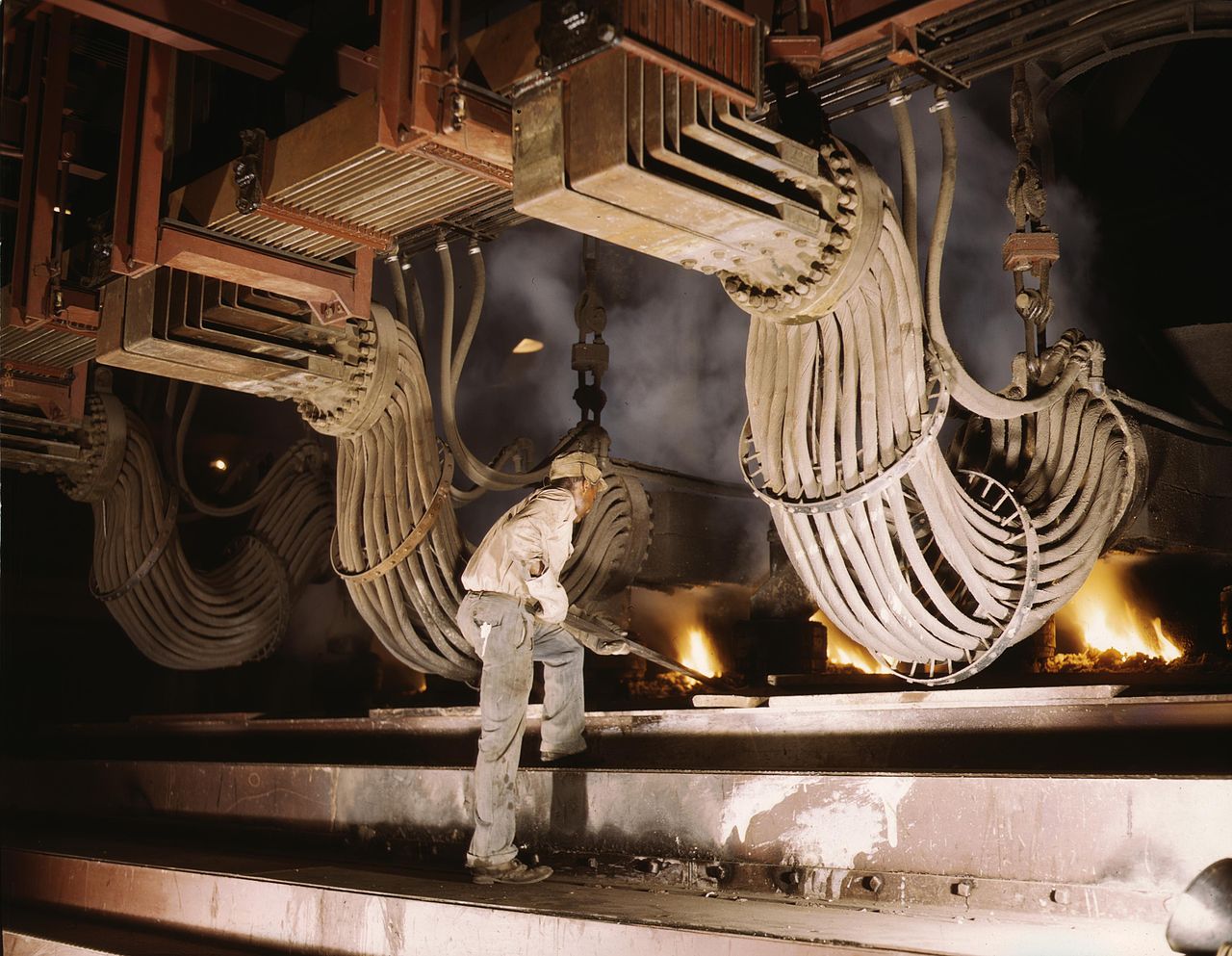
- 🏭 Industrial Applications: Modern Iron Smelting
- 🌈 Environmental Impact: Sustainability and Smelting
- 👥 Key Players: People and Organizations Shaping the Industry
- 📊 Economic Factors: Market Trends and Future Outlook
- 🔍 Challenges and Opportunities: The Future of Iron Smelting
- 📚 Conclusion: Forging the Future of Iron Smelting
- Frequently Asked Questions
- Related Topics
Overview
Iron smelting, a process dating back to around 1200 BCE, has been a cornerstone of human civilization, enabling the creation of tools, weapons, and infrastructure that have shaped the course of history. The earliest evidence of iron smelting comes from the Hittites in modern-day Turkey, with the technique spreading rapidly across the ancient world. The process involves reducing iron ore to pure iron through a chemical reaction with a source of carbon, typically charcoal. This ancient art has evolved significantly over the centuries, with modern iron smelting techniques incorporating advanced technologies and more efficient methods. Despite its long history, iron smelting remains a critical component of modern industry, with over 1.8 billion metric tons of iron produced annually worldwide. As the world continues to urbanize and industrialize, the demand for iron and steel is expected to grow, posing significant challenges for sustainability and environmental impact. The future of iron smelting will likely involve the development of more efficient, environmentally friendly technologies, such as hydrogen-based reduction and recycling of scrap metal.
🔥 Introduction to Iron Smelting
Iron smelting is an ancient process that has been used for thousands of years to extract iron from its ores. The process involves applying heat and a chemical reducing agent to the ore, resulting in the extraction of the desired metal product. As discussed in Extractive Metallurgy, smelting is a crucial step in the production of many metals, including iron, copper, and zinc. The history of smelting dates back to ancient civilizations, with evidence of smelting found in ancient Egypt and Mesopotamia. The use of smelting has evolved over time, with modern techniques and technologies being developed to improve efficiency and reduce environmental impact. For more information on the history of smelting, see History of Metallurgy.
🌎 History of Smelting: Ancient Civilizations
The history of smelting is a long and complex one, with various civilizations contributing to its development. As noted in Ancient Metallurgy, the earliest evidence of smelting dates back to around 3000 BCE, with the use of copper and bronze becoming widespread in ancient China and Greece. The ancient Romans also made significant contributions to the development of smelting, with the use of iron becoming increasingly common. The process of smelting has been refined over time, with the introduction of new technologies and techniques. For example, the use of Coke as a reducing agent revolutionized the smelting process, allowing for the mass production of iron. See Industrial Revolution for more information on the impact of coke on the smelting industry.
🔬 The Science of Smelting: Extractive Metallurgy
The science of smelting is based on the principles of extractive metallurgy, which involves the use of heat and a chemical reducing agent to extract a desired metal product from its ore. As explained in Chemical Reactions, the reducing agent, commonly a fossil-fuel source of carbon, such as Carbon Monoxide from incomplete combustion of Coke or Charcoal, plays a crucial role in the smelting process. The oxygen in the ore binds to carbon at high temperatures, resulting in the decomposition of the ore and the extraction of the metal. The chemical potential energy of the bonds in Carbon Dioxide is lower than that of the bonds in the ore, allowing for the efficient extraction of the metal. For more information on the chemistry of smelting, see Metallurgical Chemistry.
💡 Chemical Reactions: Reducing Agents and Ore Decomposition
The chemical reactions involved in smelting are complex and involve the interaction of multiple elements. As discussed in Metallurgical Processes, the reducing agent used in smelting, such as Hydrogen or Carbon Monoxide, reacts with the oxygen in the ore to form a slag, which is a mixture of oxides and silicates. The metal is then extracted from the slag through a series of chemical reactions, resulting in the production of the desired metal product. The use of different reducing agents can affect the efficiency and environmental impact of the smelting process. For example, the use of Hydrogen as a reducing agent can reduce the amount of Carbon Dioxide emissions produced during the smelting process. See Sustainable Metallurgy for more information on the environmental impact of smelting.
🏭 Industrial Applications: Modern Iron Smelting
The industrial applications of iron smelting are diverse and widespread. As noted in Steel Production, the majority of iron produced through smelting is used in the production of steel, which is a critical component of modern infrastructure. The use of iron and steel in construction, transportation, and manufacturing has revolutionized the way we live and work. The development of new technologies and techniques has also led to the production of other metals, such as Copper and Zinc, which have a wide range of industrial applications. For more information on the industrial applications of smelting, see Metallurgical Industry.
🌈 Environmental Impact: Sustainability and Smelting
The environmental impact of iron smelting is a significant concern, with the production of Carbon Dioxide and other greenhouse gases contributing to climate change. As discussed in Sustainable Metallurgy, the use of renewable energy sources, such as Solar Energy and Wind Energy, can reduce the environmental impact of smelting. The development of new technologies and techniques, such as Electric Arc Furnace and Plasma Smelting, can also improve the efficiency and reduce the environmental impact of the smelting process. For more information on the environmental impact of smelting, see Environmental Impact of Metallurgy.
👥 Key Players: People and Organizations Shaping the Industry
The key players in the iron smelting industry are diverse and include companies, organizations, and individuals. As noted in Metallurgical Industry, companies such as Rio Tinto and BHP are major producers of iron and steel, while organizations such as the World Steel Association and the International Iron and Steel Institute play a critical role in promoting the industry and developing new technologies. Individuals, such as Andrew Carnegie and Henry Ford, have also made significant contributions to the development of the iron and steel industry. For more information on the key players in the industry, see Key Players in Metallurgy.
📊 Economic Factors: Market Trends and Future Outlook
The economic factors affecting the iron smelting industry are complex and involve a range of factors, including supply and demand, prices, and government policies. As discussed in Economics of Metallurgy, the price of iron and steel can fluctuate significantly, affecting the profitability of the industry. The development of new technologies and techniques can also impact the industry, with the introduction of new products and processes affecting the demand for iron and steel. For more information on the economic factors affecting the industry, see Market Trends in Metallurgy.
🔍 Challenges and Opportunities: The Future of Iron Smelting
The challenges and opportunities facing the iron smelting industry are significant, with the need to reduce environmental impact and improve efficiency being major concerns. As noted in Sustainable Metallurgy, the development of new technologies and techniques, such as Hydrogen Smelting and Plasma Smelting, can improve the efficiency and reduce the environmental impact of the smelting process. The use of renewable energy sources, such as Solar Energy and Wind Energy, can also reduce the environmental impact of the industry. For more information on the challenges and opportunities facing the industry, see Future of Metallurgy.
📚 Conclusion: Forging the Future of Iron Smelting
In conclusion, iron smelting is a complex and multifaceted process that has been used for thousands of years to extract iron from its ores. As discussed in History of Metallurgy, the process has evolved over time, with the introduction of new technologies and techniques improving efficiency and reducing environmental impact. The future of the industry will depend on the development of new technologies and techniques, as well as the ability to reduce environmental impact and improve efficiency. For more information on the future of the industry, see Future of Metallurgy.
Key Facts
- Year
- 1200
- Origin
- Ancient Anatolia (modern-day Turkey)
- Category
- Metallurgy
- Type
- Industrial Process
Frequently Asked Questions
What is iron smelting?
Iron smelting is a process of applying heat and a chemical reducing agent to an ore to extract a desired base metal product. It is a form of extractive metallurgy that is used to obtain many metals, including iron, copper, and zinc. The process involves the use of a reducing agent, such as carbon monoxide or hydrogen, to decompose the ore and extract the metal. For more information, see Extractive Metallurgy.
What are the environmental impacts of iron smelting?
The environmental impacts of iron smelting are significant, with the production of carbon dioxide and other greenhouse gases contributing to climate change. The use of renewable energy sources, such as solar energy and wind energy, can reduce the environmental impact of smelting. The development of new technologies and techniques, such as electric arc furnace and plasma smelting, can also improve the efficiency and reduce the environmental impact of the smelting process. For more information, see Sustainable Metallurgy.
What are the economic factors affecting the iron smelting industry?
The economic factors affecting the iron smelting industry are complex and involve a range of factors, including supply and demand, prices, and government policies. The price of iron and steel can fluctuate significantly, affecting the profitability of the industry. The development of new technologies and techniques can also impact the industry, with the introduction of new products and processes affecting the demand for iron and steel. For more information, see Economics of Metallurgy.
What are the challenges and opportunities facing the iron smelting industry?
The challenges and opportunities facing the iron smelting industry are significant, with the need to reduce environmental impact and improve efficiency being major concerns. The development of new technologies and techniques, such as hydrogen smelting and plasma smelting, can improve the efficiency and reduce the environmental impact of the smelting process. The use of renewable energy sources, such as solar energy and wind energy, can also reduce the environmental impact of the industry. For more information, see Future of Metallurgy.
What is the future of the iron smelting industry?
The future of the iron smelting industry will depend on the development of new technologies and techniques, as well as the ability to reduce environmental impact and improve efficiency. The use of renewable energy sources, such as solar energy and wind energy, can reduce the environmental impact of smelting. The development of new technologies and techniques, such as electric arc furnace and plasma smelting, can also improve the efficiency and reduce the environmental impact of the smelting process. For more information, see Future of Metallurgy.
How does iron smelting affect the environment?
Iron smelting can have significant environmental impacts, including the production of carbon dioxide and other greenhouse gases, which contribute to climate change. The use of renewable energy sources, such as solar energy and wind energy, can reduce the environmental impact of smelting. The development of new technologies and techniques, such as electric arc furnace and plasma smelting, can also improve the efficiency and reduce the environmental impact of the smelting process. For more information, see Environmental Impact of Metallurgy.
What are the benefits of iron smelting?
The benefits of iron smelting include the production of iron and steel, which are critical components of modern infrastructure. The use of iron and steel in construction, transportation, and manufacturing has revolutionized the way we live and work. The development of new technologies and techniques has also led to the production of other metals, such as copper and zinc, which have a wide range of industrial applications. For more information, see Metallurgical Industry.