
Overview
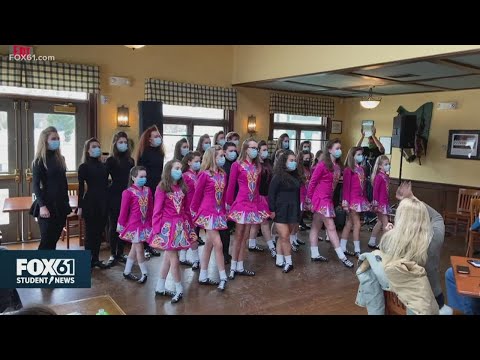
Irish dance education has undergone significant transformations since its origins in ancient Celtic festivals. With the rise of Riverdance in the 1990s, the genre gained global popularity, and schools began to formalize training programs. However, this growth also sparked debates about standardization, cultural appropriation, and the role of technology in instruction. As of 2022, institutions like the Irish Dance Teachers Association of North America (IDTANA) and An Coimisiún Le Rincí Gaelacha (CLRG) continue to shape the curriculum and certification processes. Despite these efforts, some critics argue that the emphasis on competition and perfection can overshadow the art form's cultural significance and creative expression. With a Vibe score of 82, Irish dance education remains a dynamic and contested field, with innovators like the University of Limerick's Irish World Academy of Music and Dance pushing the boundaries of traditional pedagogy. As the discipline looks to the future, it must balance preservation of heritage with adaptation to changing student needs and technological advancements.
Key Facts
- Year
- 2022
- Origin
- Ireland
- Category
- Performing Arts Education
- Type
- Discipline