
Contents
- 🌎 Introduction to the Iran Nuclear Deal
- 📊 The Joint Comprehensive Plan of Action (JCPOA) Details
- 🚫 Sanctions Relief and Economic Implications
- 🔍 Verification and Monitoring Mechanisms
- 🌈 The Role of the European Union and P5+1
- 🕊️ The Impact on Regional Security and Stability
- 📆 Timeline of Key Events and Milestones
- 🤝 The Future of the Iran Nuclear Deal
- 🚨 Challenges and Controversies Surrounding the Deal
- 📊 Economic Benefits and Drawbacks
- 🌐 Global Reactions and Implications
- Frequently Asked Questions
- Related Topics
Overview
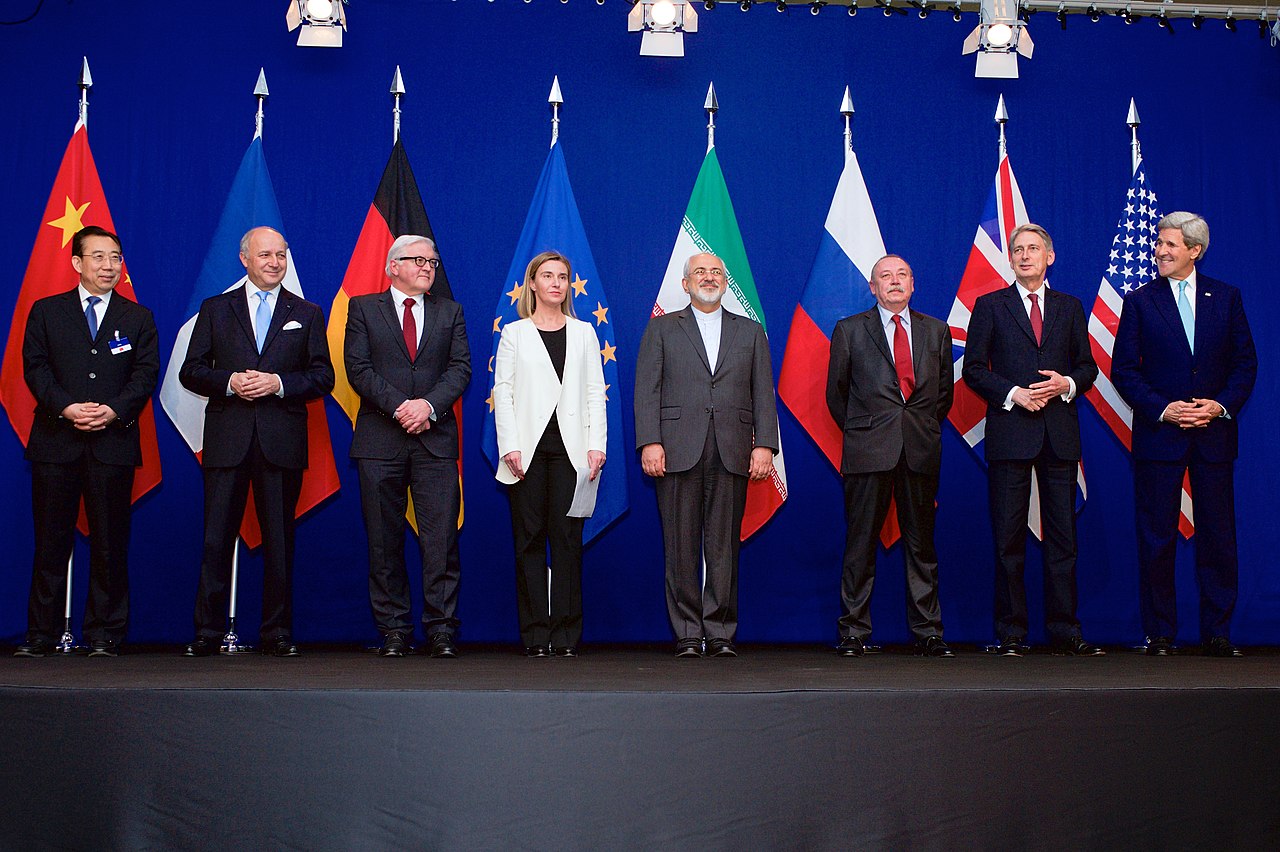
The Iran nuclear deal, officially known as the Joint Comprehensive Plan of Action (JCPOA), was signed on July 14, 2015, by Iran, the United States, the United Kingdom, France, Germany, China, and Russia. The agreement aimed to limit Iran's nuclear program in exchange for relief from economic sanctions. However, the deal has been a subject of controversy, with some arguing it does not do enough to prevent Iran's nuclear proliferation, while others see it as a crucial step towards diplomacy. The deal's implementation has been marked by tensions, particularly after the US withdrawal in 2018, which led to increased sanctions on Iran. The JCPOA has a vibe score of 60, indicating a moderate level of cultural energy. The deal's fate remains uncertain, with ongoing debates about its effectiveness and the potential consequences of its collapse. As of 2023, the deal's future is still being negotiated, with the European Union and other signatories attempting to revive the agreement. The controversy surrounding the deal is reflected in its controversy spectrum, which ranges from optimistic to pessimistic, with a neutral stance being the most widely reported.
🌎 Introduction to the Iran Nuclear Deal
The Iran nuclear deal, also known as the Joint Comprehensive Plan of Action (JCPOA), is a landmark agreement aimed at limiting the Iranian nuclear program in exchange for sanctions relief and other provisions. The deal was finalized in Vienna on 14 July 2015, between Iran and the P5+1 (the United States, the United Kingdom, France, China, and Russia) together with the European Union. This agreement marked a significant shift in the relationship between Iran and the international community, with the potential to reduce tensions and promote regional stability. For more information on the Iranian nuclear program, visit our dedicated page. The deal's success relies heavily on the cooperation of international organizations and the United Nations.
📊 The Joint Comprehensive Plan of Action (JCPOA) Details
The JCPOA is a comprehensive agreement that outlines the terms and conditions for Iran's nuclear program. The deal restricts Iran's ability to produce nuclear weapons, while allowing for the development of civilian nuclear energy. The agreement also provides for the lifting of economic sanctions imposed on Iran, which has had a significant impact on the country's economy. The European Union played a crucial role in facilitating the negotiations, and the P5+1 countries worked together to reach a consensus. For more information on the JCPOA details, visit our dedicated page. The deal's implementation relies on the verification and monitoring mechanisms put in place by the International Atomic Energy Agency.
🚫 Sanctions Relief and Economic Implications
The sanctions relief provided by the JCPOA has had a significant impact on Iran's economy. The lifting of economic sanctions has allowed Iran to increase its oil exports, which has had a positive impact on the country's revenue. However, the deal has also been criticized for its potential to allow Iran to increase its military spending and support for terrorist organizations. The Iranian economy has been heavily influenced by the deal, and the oil exports have been a major factor in the country's economic growth. For more information on the sanctions relief, visit our dedicated page. The deal's economic implications are closely tied to the regional security and stability of the Middle East.
🔍 Verification and Monitoring Mechanisms
The verification and monitoring mechanisms put in place by the JCPOA are designed to ensure that Iran complies with the terms of the agreement. The International Atomic Energy Agency (IAEA) is responsible for monitoring Iran's nuclear activities, and the agency has reported that Iran has been complying with the deal. However, there have been concerns raised about the effectiveness of the verification mechanisms, and some have argued that the deal does not do enough to prevent Iran from cheating. The verification mechanisms are a crucial aspect of the deal, and the IAEA plays a vital role in ensuring compliance. For more information on the nuclear inspections, visit our dedicated page. The deal's success relies on the cooperation of international organizations.
🌈 The Role of the European Union and P5+1
The European Union played a crucial role in facilitating the negotiations that led to the JCPOA. The EU's High Representative for Foreign Affairs and Security Policy, Federica Mogherini, was a key player in the negotiations, and the EU provided significant support to the P5+1 countries during the talks. The EU has also been a strong supporter of the deal, and has worked to promote its implementation. The European Union's foreign policy has been shaped by the deal, and the EU-Iran relations have improved significantly. For more information on the EU's role in the JCPOA, visit our dedicated page. The deal's success relies on the cooperation of international organizations.
🕊️ The Impact on Regional Security and Stability
The JCPOA has had a significant impact on regional security and stability in the Middle East. The deal has reduced tensions between Iran and the international community, and has provided a framework for cooperation on a range of issues. However, the deal has also been criticized for its potential to allow Iran to increase its military spending and support for terrorist organizations. The regional security implications of the deal are complex, and the Middle East politics have been shaped by the agreement. For more information on the Iran-Middle East relations, visit our dedicated page. The deal's success relies on the cooperation of international organizations.
📆 Timeline of Key Events and Milestones
The timeline of key events and milestones in the JCPOA is complex and multifaceted. The negotiations that led to the deal began in 2013, and the agreement was finalized in July 2015. Since then, there have been a number of key developments, including the implementation of the deal and the lifting of economic sanctions. The JCPOA timeline is a crucial aspect of understanding the deal, and the key milestones have shaped the agreement's implementation. For more information on the Iran nuclear deal history, visit our dedicated page. The deal's success relies on the cooperation of international organizations.
🤝 The Future of the Iran Nuclear Deal
The future of the JCPOA is uncertain, and there are a number of challenges and controversies surrounding the deal. The agreement has been criticized by some for its potential to allow Iran to increase its military spending and support for terrorist organizations. There are also concerns about the effectiveness of the verification mechanisms, and some have argued that the deal does not do enough to prevent Iran from cheating. The JCPOA future is a topic of much debate, and the challenges and controversies surrounding the deal are complex. For more information on the Iran nuclear deal implications, visit our dedicated page. The deal's success relies on the cooperation of international organizations.
🚨 Challenges and Controversies Surrounding the Deal
The challenges and controversies surrounding the JCPOA are numerous and complex. One of the main concerns is that the deal does not do enough to prevent Iran from cheating, and that the verification mechanisms are not effective. There are also concerns about the potential for Iran to increase its military spending and support for terrorist organizations. The challenges and controversies surrounding the deal are a topic of much debate, and the JCPOA criticism has been significant. For more information on the Iran nuclear deal pros and cons, visit our dedicated page. The deal's success relies on the cooperation of international organizations.
📊 Economic Benefits and Drawbacks
The economic benefits and drawbacks of the JCPOA are complex and multifaceted. The deal has provided significant economic benefits to Iran, including the lifting of economic sanctions and the increase in oil exports. However, there are also concerns about the potential for Iran to increase its military spending and support for terrorist organizations. The economic benefits and drawbacks of the deal are a topic of much debate, and the Iranian economy has been heavily influenced by the agreement. For more information on the JCPOA economic implications, visit our dedicated page. The deal's success relies on the cooperation of international organizations.
🌐 Global Reactions and Implications
The global reactions and implications of the JCPOA are significant and far-reaching. The deal has been welcomed by many countries, including the European Union and the P5+1 countries. However, there are also concerns about the potential for Iran to increase its military spending and support for terrorist organizations. The global reactions and implications of the deal are complex, and the Middle East politics have been shaped by the agreement. For more information on the Iran's global relations, visit our dedicated page. The deal's success relies on the cooperation of international organizations.
Key Facts
- Year
- 2015
- Origin
- Vienna, Austria
- Category
- International Relations
- Type
- International Agreement
Frequently Asked Questions
What is the Iran nuclear deal?
The Iran nuclear deal, also known as the Joint Comprehensive Plan of Action (JCPOA), is a landmark agreement aimed at limiting the Iranian nuclear program in exchange for sanctions relief and other provisions. The deal was finalized in Vienna on 14 July 2015, between Iran and the P5+1 (the United States, the United Kingdom, France, China, and Russia) together with the European Union. For more information on the Iranian nuclear program, visit our dedicated page. The deal's success relies heavily on the cooperation of international organizations and the United Nations.
What are the key terms of the JCPOA?
The JCPOA is a comprehensive agreement that outlines the terms and conditions for Iran's nuclear program. The deal restricts Iran's ability to produce nuclear weapons, while allowing for the development of civilian nuclear energy. The agreement also provides for the lifting of economic sanctions imposed on Iran, which has had a significant impact on the country's economy. The European Union played a crucial role in facilitating the negotiations, and the P5+1 countries worked together to reach a consensus. For more information on the JCPOA details, visit our dedicated page.
What are the economic implications of the JCPOA?
The sanctions relief provided by the JCPOA has had a significant impact on Iran's economy. The lifting of economic sanctions has allowed Iran to increase its oil exports, which has had a positive impact on the country's revenue. However, the deal has also been criticized for its potential to allow Iran to increase its military spending and support for terrorist organizations. The Iranian economy has been heavily influenced by the deal, and the oil exports have been a major factor in the country's economic growth. For more information on the sanctions relief, visit our dedicated page.
What are the verification and monitoring mechanisms of the JCPOA?
The verification and monitoring mechanisms put in place by the JCPOA are designed to ensure that Iran complies with the terms of the agreement. The International Atomic Energy Agency (IAEA) is responsible for monitoring Iran's nuclear activities, and the agency has reported that Iran has been complying with the deal. However, there have been concerns raised about the effectiveness of the verification mechanisms, and some have argued that the deal does not do enough to prevent Iran from cheating. The verification mechanisms are a crucial aspect of the deal, and the IAEA plays a vital role in ensuring compliance.
What is the future of the JCPOA?
The future of the JCPOA is uncertain, and there are a number of challenges and controversies surrounding the deal. The agreement has been criticized by some for its potential to allow Iran to increase its military spending and support for terrorist organizations. There are also concerns about the effectiveness of the verification mechanisms, and some have argued that the deal does not do enough to prevent Iran from cheating. The JCPOA future is a topic of much debate, and the challenges and controversies surrounding the deal are complex. For more information on the Iran nuclear deal implications, visit our dedicated page.
What are the global reactions and implications of the JCPOA?
The global reactions and implications of the JCPOA are significant and far-reaching. The deal has been welcomed by many countries, including the European Union and the P5+1 countries. However, there are also concerns about the potential for Iran to increase its military spending and support for terrorist organizations. The global reactions and implications of the deal are complex, and the Middle East politics have been shaped by the agreement. For more information on the Iran's global relations, visit our dedicated page.
What is the role of the European Union in the JCPOA?
The European Union played a crucial role in facilitating the negotiations that led to the JCPOA. The EU's High Representative for Foreign Affairs and Security Policy, Federica Mogherini, was a key player in the negotiations, and the EU provided significant support to the P5+1 countries during the talks. The EU has also been a strong supporter of the deal, and has worked to promote its implementation. The European Union's foreign policy has been shaped by the deal, and the EU-Iran relations have improved significantly. For more information on the EU's role in the JCPOA, visit our dedicated page.