
Contents
- 🌐 Introduction to Quantum Computing
- 💻 History of Quantum Computing
- 🔍 Principles of Quantum Mechanics
- 🤖 Quantum Computing Hardware
- 📊 Quantum Algorithms and Software
- 🔒 Quantum Cryptography and Security
- 📈 Quantum Computing Applications
- 🚀 Future of Quantum Computing
- 🤝 Quantum Computing and Artificial Intelligence
- 📊 Quantum Computing and Machine Learning
- 📝 Conclusion and Future Directions
- Frequently Asked Questions
- Related Topics
Overview
Quantum computing is a revolutionary technology that leverages the principles of quantum mechanics to perform calculations exponentially faster than classical computers. This field, pioneered by physicists like Richard Feynman and David Deutsch, has gained significant attention in recent years due to its potential to solve complex problems in cryptography, optimization, and simulation. With companies like Google, IBM, and Microsoft investing heavily in quantum computing research, the field is expected to have a significant impact on various industries, including finance, healthcare, and materials science. However, the development of quantum computers also raises concerns about the potential risks and challenges associated with this technology, such as quantum noise, error correction, and cybersecurity threats. As researchers continue to advance the field, we can expect to see significant breakthroughs in the coming years, with potential applications ranging from optimizing complex systems to simulating the behavior of molecules. With a vibe score of 8, indicating a high level of cultural energy and excitement, the introduction to quantum computing is an essential topic for anyone interested in the future of technology.
🌐 Introduction to Quantum Computing
Quantum computing is a revolutionary technology that uses the principles of Quantum Mechanics to perform calculations and operations on data. This emerging technology has the potential to solve complex problems that are currently unsolvable with traditional computers. The concept of quantum computing was first introduced by Physicist Richard Feynman in the 1980s, and since then, it has gained significant attention from researchers and scientists. Quantum computing is based on the principles of Superposition, Entanglement, and Quantum Measurement. These principles allow quantum computers to process vast amounts of data in parallel, making them much faster than classical computers for certain types of calculations. For more information on quantum mechanics, visit the Quantum Mechanics page.
💻 History of Quantum Computing
The history of quantum computing dates back to the 1980s, when Richard Feynman proposed the idea of a quantum computer. However, it wasn't until the 1990s that the first quantum algorithms were developed, including Shor's Algorithm and Grover's Algorithm. These algorithms demonstrated the potential of quantum computing to solve complex problems in Cryptography and Optimization. Since then, significant advancements have been made in the development of quantum computing hardware and software. Companies like IBM and Google are investing heavily in quantum computing research and development. For more information on the history of quantum computing, visit the History of Quantum Computing page.
🔍 Principles of Quantum Mechanics
The principles of quantum mechanics are the foundation of quantum computing. Quantum mechanics is a branch of physics that describes the behavior of matter and energy at the smallest scales. The principles of quantum mechanics include Superposition, Entanglement, and Quantum Measurement. These principles allow quantum computers to process vast amounts of data in parallel, making them much faster than classical computers for certain types of calculations. Quantum mechanics is a complex and fascinating field, and understanding its principles is essential for developing quantum computing applications. For more information on quantum mechanics, visit the Quantum Mechanics page. Additionally, you can learn more about the principles of quantum computing on the Principles of Quantum Computing page.
🤖 Quantum Computing Hardware
Quantum computing hardware is the physical component of a quantum computer. It includes the quantum bits (qubits), quantum gates, and other components that are necessary for quantum computing. The development of quantum computing hardware is a challenging task, as it requires the creation of highly stable and precise quantum systems. Companies like IBM and Google are investing heavily in the development of quantum computing hardware. For example, IBM has developed a 53-qubit quantum computer, which is one of the most powerful quantum computers in the world. You can learn more about quantum computing hardware on the Quantum Computing Hardware page. Additionally, you can visit the Quantum Gates page to learn more about the fundamental components of quantum computing.
📊 Quantum Algorithms and Software
Quantum algorithms and software are the programs that run on quantum computers. These algorithms and software are designed to take advantage of the unique properties of quantum computers, such as Superposition and Entanglement. Some examples of quantum algorithms include Shor's Algorithm and Grover's Algorithm. These algorithms have the potential to solve complex problems in Cryptography and Optimization. For more information on quantum algorithms and software, visit the Quantum Algorithms page. Additionally, you can learn more about the applications of quantum computing on the Quantum Computing Applications page.
🔒 Quantum Cryptography and Security
Quantum cryptography and security are critical components of quantum computing. Quantum cryptography uses the principles of quantum mechanics to create secure communication channels. This is done by using quantum keys to encrypt and decrypt messages. Quantum cryptography has the potential to provide unbreakable security for sensitive information. For more information on quantum cryptography and security, visit the Quantum Cryptography page. Additionally, you can learn more about the security implications of quantum computing on the Quantum Computing Security page.
📈 Quantum Computing Applications
Quantum computing has a wide range of applications, including Cryptography, Optimization, and Machine Learning. Quantum computers can be used to simulate complex systems, such as molecules and chemical reactions. This has the potential to lead to breakthroughs in fields such as Chemistry and Materials Science. For more information on the applications of quantum computing, visit the Quantum Computing Applications page. Additionally, you can learn more about the potential of quantum computing to solve complex problems on the Complex Problem Solving page.
🚀 Future of Quantum Computing
The future of quantum computing is exciting and uncertain. As the technology continues to develop, we can expect to see significant advancements in the field. Companies like IBM and Google are investing heavily in quantum computing research and development. Additionally, governments and institutions are providing funding for quantum computing research. For more information on the future of quantum computing, visit the Future of Quantum Computing page. You can also learn more about the potential of quantum computing to solve complex problems on the Quantum Computing and Complexity page.
🤝 Quantum Computing and Artificial Intelligence
Quantum computing and artificial intelligence are closely related fields. Quantum computers can be used to speed up certain types of machine learning algorithms, such as K-Means and Support Vector Machines. This has the potential to lead to breakthroughs in fields such as Computer Vision and Natural Language Processing. For more information on the relationship between quantum computing and artificial intelligence, visit the Quantum Computing and AI page. Additionally, you can learn more about the potential of quantum computing to solve complex problems in AI on the Quantum Computing and AI Applications page.
📊 Quantum Computing and Machine Learning
Quantum computing and machine learning are closely related fields. Quantum computers can be used to speed up certain types of machine learning algorithms, such as K-Means and Support Vector Machines. This has the potential to lead to breakthroughs in fields such as Computer Vision and Natural Language Processing. For more information on the relationship between quantum computing and machine learning, visit the Quantum Computing and ML page. You can also learn more about the potential of quantum computing to solve complex problems in ML on the Quantum Computing and ML Applications page.
📝 Conclusion and Future Directions
In conclusion, quantum computing is a revolutionary technology that has the potential to solve complex problems in a wide range of fields. From Cryptography to Machine Learning, quantum computing has the potential to lead to breakthroughs and advancements. As the technology continues to develop, we can expect to see significant advancements in the field. For more information on quantum computing, visit the Quantum Computing page. You can also learn more about the potential of quantum computing to solve complex problems on the Complex Problem Solving page.
Key Facts
- Year
- 1982
- Origin
- Paul Benioff's proposal for a quantum mechanical model of the Turing machine
- Category
- Emerging Technologies
- Type
- Concept
Frequently Asked Questions
What is quantum computing?
Quantum computing is a revolutionary technology that uses the principles of Quantum Mechanics to perform calculations and operations on data. This emerging technology has the potential to solve complex problems that are currently unsolvable with traditional computers. For more information on quantum computing, visit the Quantum Computing page.
How does quantum computing work?
Quantum computing works by using the principles of Superposition, Entanglement, and Quantum Measurement to process vast amounts of data in parallel. This allows quantum computers to solve complex problems much faster than classical computers. For more information on how quantum computing works, visit the Principles of Quantum Computing page.
What are the applications of quantum computing?
Quantum computing has a wide range of applications, including Cryptography, Optimization, and Machine Learning. Quantum computers can be used to simulate complex systems, such as molecules and chemical reactions. This has the potential to lead to breakthroughs in fields such as Chemistry and Materials Science. For more information on the applications of quantum computing, visit the Quantum Computing Applications page.
What is the future of quantum computing?
The future of quantum computing is exciting and uncertain. As the technology continues to develop, we can expect to see significant advancements in the field. Companies like IBM and Google are investing heavily in quantum computing research and development. Additionally, governments and institutions are providing funding for quantum computing research. For more information on the future of quantum computing, visit the Future of Quantum Computing page.
How does quantum computing relate to artificial intelligence?
Quantum computing and artificial intelligence are closely related fields. Quantum computers can be used to speed up certain types of machine learning algorithms, such as K-Means and Support Vector Machines. This has the potential to lead to breakthroughs in fields such as Computer Vision and Natural Language Processing. For more information on the relationship between quantum computing and artificial intelligence, visit the Quantum Computing and AI page.
What is the difference between quantum computing and classical computing?
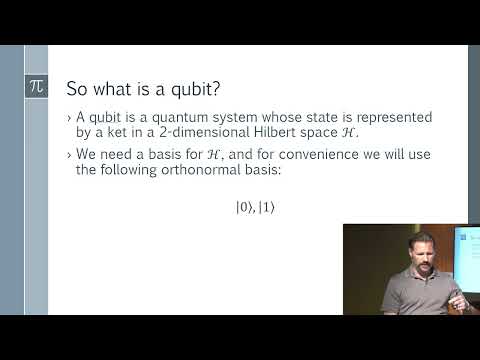
The main difference between quantum computing and classical computing is the way they process information. Classical computers use bits to process information, whereas quantum computers use qubits. Qubits are unique because they can exist in multiple states simultaneously, allowing quantum computers to process vast amounts of data in parallel. This makes quantum computers much faster than classical computers for certain types of calculations. For more information on the difference between quantum computing and classical computing, visit the Quantum Computing vs Classical Computing page.
How can I learn more about quantum computing?
There are many resources available to learn more about quantum computing. You can start by visiting the Quantum Computing page, which provides an introduction to the topic. You can also visit the Quantum Mechanics page to learn more about the principles of quantum mechanics. Additionally, there are many online courses and tutorials available that can provide a more in-depth introduction to quantum computing. For more information on learning resources, visit the Quantum Computing Learning Resources page.