
Contents
- 🌐 Introduction to International Telegraph Union
- 📚 History of the International Telegraph Union
- 📞 Structure and Membership
- 🌈 Standardization and Regulations
- 📊 Radio Communication and Expansion
- 📱 Modernization and Rebranding
- 🤝 International Cooperation and Agreements
- 📊 Challenges and Controversies
- 📈 Future of the International Telegraph Union
- 📊 Impact on Global Telecommunications
- 📁 Conclusion and Legacy
- Frequently Asked Questions
- Related Topics
Overview
The International Telegraph Union (ITU), established on May 17, 1865, in Paris, France, is one of the oldest international organizations in the world. Founded by 20 European states, the ITU aimed to standardize and regulate international telegraph communications. The union's first treaty, the International Telegraph Convention, was signed by its founding members, including Austria, Belgium, Denmark, France, Germany, and the United Kingdom. Today, the ITU is a specialized agency of the United Nations, playing a crucial role in shaping the global telecommunications landscape. With 193 member states, the ITU sets standards for radio communication, broadband, and other technologies. The ITU's work has a significant impact on the global economy, with the telecommunications sector accounting for over 3% of global GDP. As the world becomes increasingly interconnected, the ITU's role in facilitating international cooperation and standardization will continue to grow in importance, with a projected 17.9 billion mobile broadband subscriptions worldwide by 2025.
🌐 Introduction to International Telegraph Union
The International Telegraph Union (ITU) is a specialized agency of the United Nations responsible for coordinating global telecommunications. Founded in 1865 as the International Telegraph Union, it has played a crucial role in the development of modern telecommunications. The ITU has 193 member states and over 700 private sector members, making it one of the largest and most influential international organizations in the world. The ITU works closely with other international organizations, such as the Internet Governance forum and the World Trade Organization. The ITU also collaborates with the International Organization for Standardization to develop global standards for telecommunications. The ITU's work has a significant impact on the global economy, with the telecommunications industry being a major driver of economic growth.
📚 History of the International Telegraph Union
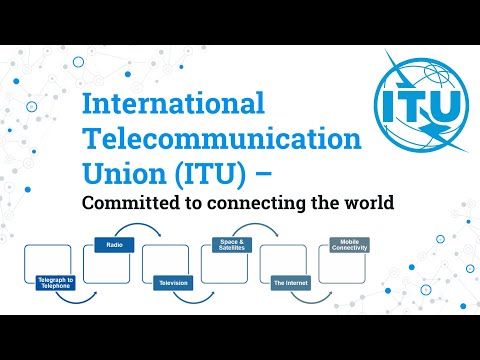
The history of the International Telegraph Union dates back to 1865, when it was founded by 20 European countries. The ITU's first treaty, the International Telegraph Convention, was signed in 1865 and established the basic principles for international telegraph communication. Over the years, the ITU has expanded its scope to include radio communication, television, and other forms of telecommunications. The ITU has also played a key role in the development of international telecommunications law, including the International Telegraph Convention and the Radio Regulations. The ITU's history is closely tied to the development of modern telecommunications, and it has worked closely with other international organizations, such as the Universal Postal Union. The ITU has also collaborated with the International Electrotechnical Commission to develop global standards for electrical and electronic technologies.
📞 Structure and Membership
The International Telegraph Union has a complex structure, with several different types of membership. The ITU has 193 member states, which are represented by their governments. The ITU also has over 700 private sector members, including companies and organizations from the telecommunications industry. The ITU is headed by a Secretary-General, who is elected by the member states for a four-year term. The ITU also has several different sectors, including the Radio Communication Sector and the Telecommunication Standardization Sector. The ITU works closely with other international organizations, such as the World Intellectual Property Organization and the International Labor Organization. The ITU's membership is diverse, with members from all regions of the world, including the African Telecommunications Union and the European Telecommunications Standards Institute.
🌈 Standardization and Regulations
One of the International Telegraph Union's key roles is to develop and implement global standards for telecommunications. The ITU has developed a wide range of standards, including standards for radio communication, television, and the internet. The ITU also works to promote the use of these standards, and to provide technical assistance to countries that need help implementing them. The ITU's standardization work is closely tied to the development of international telecommunications law, and it works closely with other international organizations, such as the World Trade Organization. The ITU has also collaborated with the International Organization for Standardization to develop global standards for telecommunications. The ITU's standards have a significant impact on the global economy, with the telecommunications industry being a major driver of economic growth. The ITU's work on standardization is closely tied to the work of other organizations, such as the Institute of Electrical and Electronics Engineers.
📊 Radio Communication and Expansion
The International Telegraph Union has played a key role in the development of radio communication, and it continues to work on the development of new radio communication technologies. The ITU has developed a wide range of standards for radio communication, including standards for mobile phones, television, and radio broadcasting. The ITU also works to promote the use of these standards, and to provide technical assistance to countries that need help implementing them. The ITU's work on radio communication is closely tied to the development of international telecommunications law, and it works closely with other international organizations, such as the World Trade Organization. The ITU has also collaborated with the International Electrotechnical Commission to develop global standards for electrical and electronic technologies. The ITU's work on radio communication has a significant impact on the global economy, with the telecommunications industry being a major driver of economic growth. The ITU's work on radio communication is closely tied to the work of other organizations, such as the National Telecommunications and Information Administration.
📱 Modernization and Rebranding
In recent years, the International Telegraph Union has undergone significant modernization and rebranding efforts. In 1934, the ITU changed its name to the International Telecommunication Union, to reflect its expanded scope. The ITU has also updated its logo and branding, to reflect its modern and dynamic approach to telecommunications. The ITU has also expanded its membership, to include private sector companies and organizations from the telecommunications industry. The ITU works closely with other international organizations, such as the World Intellectual Property Organization and the International Labor Organization. The ITU's modernization efforts have a significant impact on the global economy, with the telecommunications industry being a major driver of economic growth. The ITU's work on modernization is closely tied to the work of other organizations, such as the Institute of Electrical and Electronics Engineers.
🤝 International Cooperation and Agreements
The International Telegraph Union works closely with other international organizations, to promote international cooperation and agreement on telecommunications issues. The ITU has signed cooperation agreements with a wide range of organizations, including the World Trade Organization and the Universal Postal Union. The ITU also works closely with regional organizations, such as the African Telecommunications Union and the European Telecommunications Standards Institute. The ITU's international cooperation efforts have a significant impact on the global economy, with the telecommunications industry being a major driver of economic growth. The ITU's work on international cooperation is closely tied to the work of other organizations, such as the National Telecommunications and Information Administration. The ITU has also collaborated with the International Organization for Standardization to develop global standards for telecommunications.
📊 Challenges and Controversies
Despite its many successes, the International Telegraph Union has faced several challenges and controversies over the years. One of the main challenges facing the ITU is the rapid pace of technological change, which can make it difficult for the organization to keep up with the latest developments. The ITU has also faced criticism for its slow pace of decision-making, and for its lack of transparency and accountability. The ITU has also faced challenges from other international organizations, such as the World Trade Organization, which have sought to expand their own role in telecommunications. The ITU's work on standardization is closely tied to the development of international telecommunications law, and it works closely with other international organizations, such as the World Intellectual Property Organization. The ITU's challenges have a significant impact on the global economy, with the telecommunications industry being a major driver of economic growth.
📈 Future of the International Telegraph Union
The future of the International Telegraph Union is likely to be shaped by a range of factors, including technological change, globalization, and the increasing importance of telecommunications in the global economy. The ITU will need to continue to adapt to these changes, and to find new ways to promote international cooperation and agreement on telecommunications issues. The ITU will also need to address the challenges and controversies that it has faced in the past, and to find new ways to promote transparency and accountability. The ITU's work on standardization is closely tied to the development of international telecommunications law, and it works closely with other international organizations, such as the World Trade Organization. The ITU's future has a significant impact on the global economy, with the telecommunications industry being a major driver of economic growth. The ITU's work on future development is closely tied to the work of other organizations, such as the Institute of Electrical and Electronics Engineers.
📊 Impact on Global Telecommunications
The International Telegraph Union has had a significant impact on the development of global telecommunications, and it continues to play a key role in shaping the future of the industry. The ITU's work on standardization, radio communication, and international cooperation has helped to promote the development of telecommunications, and to ensure that the benefits of telecommunications are available to all. The ITU's impact is closely tied to the development of international telecommunications law, and it works closely with other international organizations, such as the World Trade Organization. The ITU's work has a significant impact on the global economy, with the telecommunications industry being a major driver of economic growth. The ITU's impact is also closely tied to the work of other organizations, such as the National Telecommunications and Information Administration.
📁 Conclusion and Legacy
In conclusion, the International Telegraph Union is a vital international organization that plays a key role in promoting the development of global telecommunications. The ITU's work on standardization, radio communication, and international cooperation has helped to shape the future of the industry, and to ensure that the benefits of telecommunications are available to all. The ITU's legacy is closely tied to the development of international telecommunications law, and it works closely with other international organizations, such as the World Trade Organization. The ITU's work has a significant impact on the global economy, with the telecommunications industry being a major driver of economic growth. The ITU's legacy is also closely tied to the work of other organizations, such as the Institute of Electrical and Electronics Engineers.
Key Facts
- Year
- 1865
- Origin
- Paris, France
- Category
- Telecommunications
- Type
- International Organization
Frequently Asked Questions
What is the International Telegraph Union?
The International Telegraph Union (ITU) is a specialized agency of the United Nations responsible for coordinating global telecommunications. The ITU was founded in 1865 and has played a crucial role in the development of modern telecommunications. The ITU works to promote international cooperation and agreement on telecommunications issues, and to develop global standards for telecommunications. The ITU's work is closely tied to the development of international telecommunications law, and it works closely with other international organizations, such as the World Trade Organization. The ITU's work has a significant impact on the global economy, with the telecommunications industry being a major driver of economic growth.
What are the main activities of the International Telegraph Union?
The main activities of the International Telegraph Union (ITU) include developing and implementing global standards for telecommunications, promoting international cooperation and agreement on telecommunications issues, and providing technical assistance to countries that need help implementing these standards. The ITU also works to promote the use of telecommunications to bridge the digital divide, and to ensure that the benefits of telecommunications are available to all. The ITU's work is closely tied to the development of international telecommunications law, and it works closely with other international organizations, such as the World Intellectual Property Organization. The ITU's activities have a significant impact on the global economy, with the telecommunications industry being a major driver of economic growth.
How does the International Telegraph Union promote international cooperation?
The International Telegraph Union (ITU) promotes international cooperation by working closely with other international organizations, such as the World Trade Organization and the Universal Postal Union. The ITU also works with regional organizations, such as the African Telecommunications Union and the European Telecommunications Standards Institute. The ITU's work on international cooperation is closely tied to the development of international telecommunications law, and it works closely with other international organizations, such as the World Intellectual Property Organization. The ITU's international cooperation efforts have a significant impact on the global economy, with the telecommunications industry being a major driver of economic growth.
What are the benefits of the International Telegraph Union's work?
The benefits of the International Telegraph Union's (ITU) work include promoting the development of global telecommunications, ensuring that the benefits of telecommunications are available to all, and bridging the digital divide. The ITU's work on standardization, radio communication, and international cooperation has helped to shape the future of the industry, and to ensure that telecommunications are available to all. The ITU's work has a significant impact on the global economy, with the telecommunications industry being a major driver of economic growth. The ITU's work is closely tied to the development of international telecommunications law, and it works closely with other international organizations, such as the World Trade Organization.
How can I get involved with the International Telegraph Union?
There are several ways to get involved with the International Telegraph Union (ITU), including becoming a member of the ITU, participating in ITU events and meetings, and contributing to ITU activities and projects. The ITU also offers a range of resources and tools, including publications, training programs, and online courses. The ITU's work is closely tied to the development of international telecommunications law, and it works closely with other international organizations, such as the World Intellectual Property Organization. The ITU's work has a significant impact on the global economy, with the telecommunications industry being a major driver of economic growth. The ITU's work is also closely tied to the work of other organizations, such as the Institute of Electrical and Electronics Engineers.