
Overview
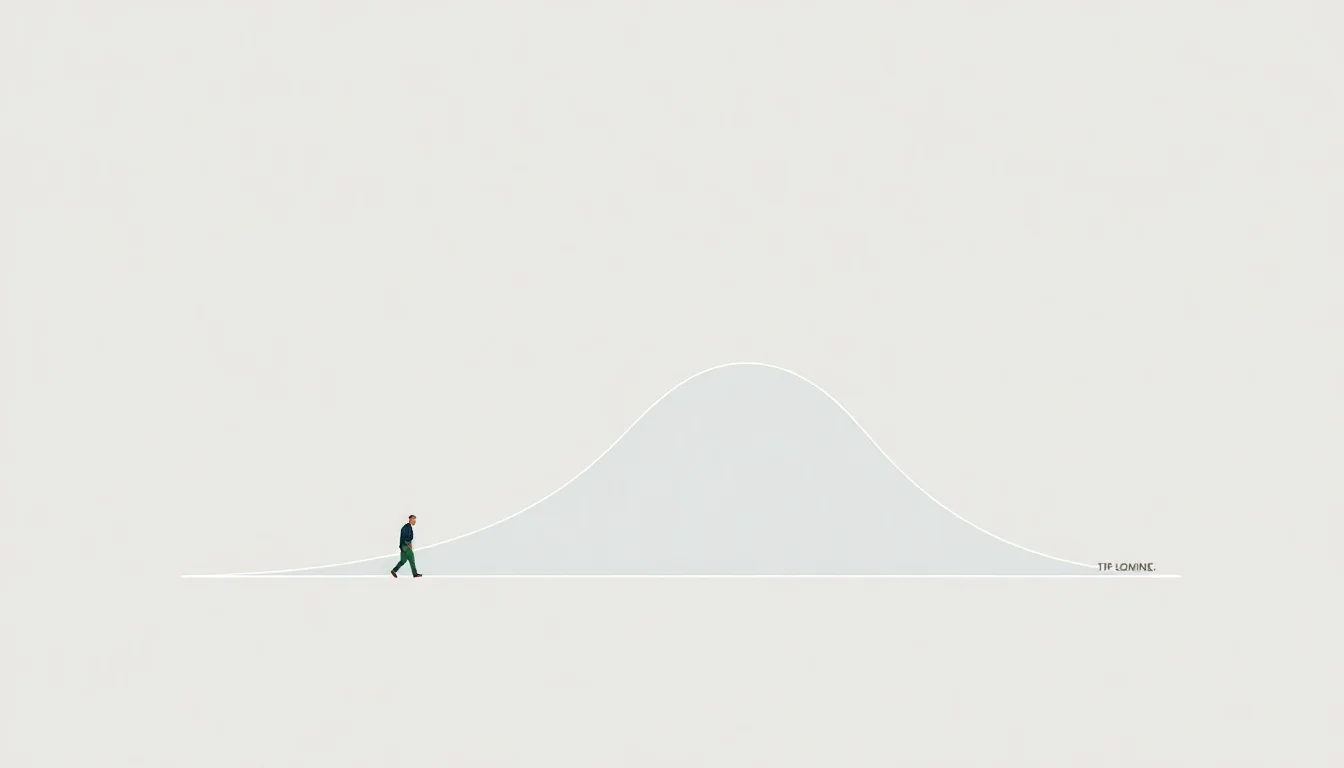
The innovation adoption curve, first introduced by Everett Rogers in 1962, describes the process by which new ideas and technologies are adopted by different groups of people. The curve is typically divided into five categories: innovators (2.5%), early adopters (13.5%), early majority (34%), late majority (34%), and laggards (16%). This concept has been widely applied in various fields, including business, marketing, and sociology. For instance, companies like Apple and Tesla have successfully leveraged the innovation adoption curve to create and dominate new markets. However, the curve also highlights the challenges of overcoming resistance to change and the importance of understanding the needs and motivations of different adopter groups. As technology continues to evolve at an unprecedented pace, the innovation adoption curve remains a crucial framework for understanding the dynamics of innovation and driving successful adoption strategies. With a vibe score of 8, the innovation adoption curve is a widely recognized and influential concept in the business and technology community.
Key Facts
- Year
- 1962
- Origin
- Everett Rogers
- Category
- Business and Technology
- Type
- Concept