
Contents
- 🌱 Introduction to Indoor Agriculture
- 📈 The Rise of Indoor Farming
- 🌿 Benefits of Indoor Agriculture
- 🌸 Challenges in Indoor Agriculture
- 🌻 Innovations in Indoor Farming
- 🏭 Vertical Farming and Its Impact
- 🌺 Hydroponics and Aeroponics in Indoor Agriculture
- 🌴 The Future of Indoor Agriculture
- 🌳 Indoor Agriculture and Sustainability
- 🌴 Global Adoption and Investment
- 🌺 Case Studies in Indoor Agriculture
- 📊 Conclusion and Future Outlook
- Frequently Asked Questions
- Related Topics
Overview
The concept of indoor agriculture, also known as indoor farming, has been around for decades, but it has gained significant attention in recent years due to its potential to increase food production while reducing the environmental impact of traditional farming methods. Indoor farming involves growing crops in controlled environments, such as greenhouses or indoor facilities, using techniques like hydroponics and aeroponics. This approach allows for year-round production, regardless of the weather or season, and can be used to grow a wide variety of crops, including leafy greens, herbs, and microgreens. As the global population continues to grow, indoor agriculture is becoming an increasingly important part of the solution to meet the world's food needs. Sustainable agriculture practices, like indoor farming, are essential for reducing the environmental footprint of food production. The rise of indoor agriculture is also driven by the growing demand for local food and the need to reduce food miles.
📈 The Rise of Indoor Farming
The rise of indoor farming has been rapid, with the global market expected to reach $13.1 billion by 2026, growing at a CAGR of 20.5% from 2020 to 2026. This growth is driven by the increasing demand for fresh, locally grown produce, as well as the need to reduce the environmental impact of traditional farming methods. Vertical farming is a key component of indoor agriculture, allowing for the production of large quantities of crops in a small footprint. Companies like Green Sense and Plenty are leading the way in indoor farming, using advanced technologies like LED grow lights and climate control systems to optimize crop growth. As the industry continues to grow, we can expect to see new innovations and technologies emerge, further increasing the efficiency and sustainability of indoor agriculture. Agricultural technology is playing a crucial role in the development of indoor farming, with advancements in areas like precision agriculture and artificial intelligence.
🌿 Benefits of Indoor Agriculture
One of the primary benefits of indoor agriculture is its ability to increase crop yields while reducing the environmental impact of farming. By using controlled environments and advanced technologies, indoor farmers can optimize crop growth, reducing the need for pesticides, herbicides, and fertilizers. This approach also allows for the conservation of water and land, making it a more sustainable option than traditional farming methods. Additionally, indoor agriculture can help to reduce food waste by allowing for the production of crops closer to the point of consumption. Urban agriculture is another area where indoor farming is making a significant impact, providing fresh produce to urban populations and helping to revitalize urban areas. The benefits of indoor agriculture are numerous, and as the industry continues to grow, we can expect to see even more innovative solutions emerge. Sustainable farming practices like indoor farming are essential for reducing the environmental footprint of food production.
🌸 Challenges in Indoor Agriculture
Despite the many benefits of indoor agriculture, there are also several challenges that must be addressed. One of the primary challenges is the high upfront cost of establishing an indoor farm, which can be a barrier to entry for many farmers. Additionally, indoor agriculture requires a significant amount of energy to power the lighting, heating, and cooling systems, which can increase the carbon footprint of the operation. Renewable energy sources, like solar power and wind power, can help to mitigate this issue, but they can also be expensive to implement. Another challenge facing indoor agriculture is the limited availability of crop varieties that are well-suited for indoor production. As the industry continues to grow, we can expect to see more research and development in this area, leading to the creation of new crop varieties that are optimized for indoor production. Agricultural research is critical for addressing the challenges facing indoor agriculture and ensuring the long-term sustainability of the industry.
🌻 Innovations in Indoor Farming
Innovations in indoor farming are happening rapidly, with new technologies and techniques being developed all the time. One area of innovation is in the use of artificial intelligence and machine learning to optimize crop growth and reduce waste. Companies like FarmWise are using AI-powered robots to automate the process of weeding and pruning, reducing the need for manual labor and increasing efficiency. Another area of innovation is in the development of new grow lights and climate control systems that are more energy-efficient and effective. LED grow lights, for example, are becoming increasingly popular due to their energy efficiency and ability to be tailored to specific crop requirements. As the industry continues to evolve, we can expect to see even more innovative solutions emerge, further increasing the efficiency and sustainability of indoor agriculture. Agricultural innovation is critical for addressing the challenges facing indoor agriculture and ensuring the long-term sustainability of the industry.
🏭 Vertical Farming and Its Impact
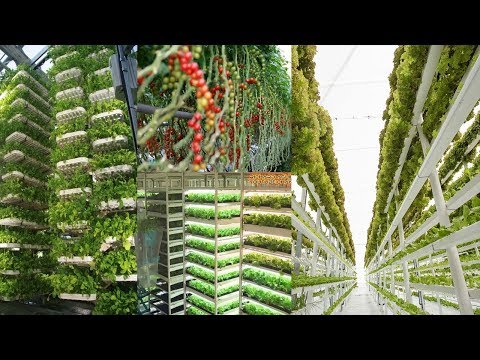
Vertical farming is a key component of indoor agriculture, allowing for the production of large quantities of crops in a small footprint. This approach involves growing crops in vertically stacked layers, often using hydroponics or aeroponics to deliver nutrients to the plants. Vertical farming can be used to produce a wide variety of crops, including leafy greens, herbs, and microgreens. Companies like Green Sense and Plenty are leading the way in vertical farming, using advanced technologies like LED grow lights and climate control systems to optimize crop growth. As the industry continues to grow, we can expect to see more vertical farms being established, providing fresh produce to local populations and helping to reduce the environmental impact of traditional farming methods. Urban agriculture is another area where vertical farming is making a significant impact, providing fresh produce to urban populations and helping to revitalize urban areas.
🌺 Hydroponics and Aeroponics in Indoor Agriculture
Hydroponics and aeroponics are two of the most common methods used in indoor agriculture, allowing for the production of crops without the use of soil. Hydroponics involves delivering nutrients to the plants through a water-based solution, while aeroponics involves delivering nutrients through a fine mist. Both methods allow for precise control over the nutrient levels and can be used to produce a wide variety of crops. Companies like Bright Agrotech and General Hydroponics are leading the way in hydroponics and aeroponics, providing systems and solutions for indoor farmers. As the industry continues to grow, we can expect to see more innovations in hydroponics and aeroponics, further increasing the efficiency and sustainability of indoor agriculture. Controlled environment agriculture is another area where hydroponics and aeroponics are being used, providing a controlled environment for crop growth and reducing the need for pesticides and herbicides.
🌴 The Future of Indoor Agriculture
The future of indoor agriculture is exciting, with many new innovations and technologies on the horizon. One area of development is in the use of biotechnology to improve crop yields and disease resistance. Companies like Monsanto and Syngenta are leading the way in biotechnology, developing new crop varieties that are optimized for indoor production. Another area of development is in the use of renewable energy sources, like solar power and wind power, to power indoor farms. As the industry continues to grow, we can expect to see more emphasis on sustainability and reducing the environmental impact of indoor agriculture. Sustainable agriculture practices, like indoor farming, are essential for reducing the environmental footprint of food production and ensuring a sustainable food system for the future.
🌳 Indoor Agriculture and Sustainability
Indoor agriculture is playing a critical role in the move towards a more sustainable food system. By reducing the need for pesticides, herbicides, and fertilizers, indoor agriculture can help to minimize the environmental impact of farming. Additionally, indoor agriculture can help to conserve water and land, making it a more sustainable option than traditional farming methods. Companies like Green Sense and Plenty are leading the way in sustainable indoor agriculture, using advanced technologies like LED grow lights and climate control systems to optimize crop growth. As the industry continues to grow, we can expect to see more emphasis on sustainability and reducing the environmental impact of indoor agriculture. Agricultural sustainability is critical for ensuring a sustainable food system for the future.
🌴 Global Adoption and Investment
The global adoption of indoor agriculture is increasing rapidly, with many countries investing heavily in the development of indoor farms. Companies like Green Sense and Plenty are leading the way in indoor agriculture, using advanced technologies like LED grow lights and climate control systems to optimize crop growth. As the industry continues to grow, we can expect to see more countries adopting indoor agriculture as a way to increase food production and reduce the environmental impact of traditional farming methods. Global food security is a critical issue, and indoor agriculture is playing a key role in addressing this challenge. The investment in indoor agriculture is also driving innovation, with new technologies and solutions being developed all the time. Agricultural innovation is critical for addressing the challenges facing indoor agriculture and ensuring the long-term sustainability of the industry.
🌺 Case Studies in Indoor Agriculture
There are many case studies in indoor agriculture that demonstrate the potential of this approach to increase food production and reduce the environmental impact of traditional farming methods. Companies like Green Sense and Plenty are leading the way in indoor agriculture, using advanced technologies like LED grow lights and climate control systems to optimize crop growth. One example is the Green Sense farm in Chicago, which is using vertical farming to produce a wide variety of crops, including leafy greens and herbs. Another example is the Plenty farm in San Francisco, which is using indoor agriculture to produce fresh produce for local populations. These case studies demonstrate the potential of indoor agriculture to increase food production and reduce the environmental impact of traditional farming methods. Urban agriculture is another area where indoor farming is making a significant impact, providing fresh produce to urban populations and helping to revitalize urban areas.
📊 Conclusion and Future Outlook
In conclusion, the rise of indoor agriculture is an exciting development in the world of food production. With its potential to increase crop yields, reduce the environmental impact of traditional farming methods, and provide fresh produce to local populations, indoor agriculture is an essential part of the solution to meet the world's food needs. As the industry continues to grow, we can expect to see more innovations and technologies emerge, further increasing the efficiency and sustainability of indoor agriculture. Sustainable agriculture practices, like indoor farming, are essential for reducing the environmental footprint of food production and ensuring a sustainable food system for the future. The future of indoor agriculture is bright, and it will be exciting to see how this industry continues to evolve and grow in the coming years. Agricultural sustainability is critical for ensuring a sustainable food system for the future.
Key Facts
- Year
- 2020
- Origin
- Japan
- Category
- Sustainability
- Type
- Industry
Frequently Asked Questions
What is indoor agriculture?
Indoor agriculture, also known as indoor farming, involves growing crops in controlled environments, such as greenhouses or indoor facilities, using techniques like hydroponics and aeroponics. This approach allows for year-round production, regardless of the weather or season, and can be used to grow a wide variety of crops, including leafy greens, herbs, and microgreens. Indoor agriculture is an essential part of the solution to meet the world's food needs, and it has the potential to increase crop yields, reduce the environmental impact of traditional farming methods, and provide fresh produce to local populations.
What are the benefits of indoor agriculture?
The benefits of indoor agriculture are numerous, and they include the ability to increase crop yields, reduce the environmental impact of traditional farming methods, and provide fresh produce to local populations. Indoor agriculture also allows for the conservation of water and land, making it a more sustainable option than traditional farming methods. Additionally, indoor agriculture can help to reduce food waste by allowing for the production of crops closer to the point of consumption. Sustainable farming practices like indoor farming are essential for reducing the environmental footprint of food production.
What are the challenges facing indoor agriculture?
Despite the many benefits of indoor agriculture, there are also several challenges that must be addressed. One of the primary challenges is the high upfront cost of establishing an indoor farm, which can be a barrier to entry for many farmers. Additionally, indoor agriculture requires a significant amount of energy to power the lighting, heating, and cooling systems, which can increase the carbon footprint of the operation. Renewable energy sources, like solar power and wind power, can help to mitigate this issue, but they can also be expensive to implement. Another challenge facing indoor agriculture is the limited availability of crop varieties that are well-suited for indoor production.
What is the future of indoor agriculture?
The future of indoor agriculture is exciting, with many new innovations and technologies on the horizon. One area of development is in the use of biotechnology to improve crop yields and disease resistance. Companies like Monsanto and Syngenta are leading the way in biotechnology, developing new crop varieties that are optimized for indoor production. Another area of development is in the use of renewable energy sources, like solar power and wind power, to power indoor farms. As the industry continues to grow, we can expect to see more emphasis on sustainability and reducing the environmental impact of indoor agriculture.
How is indoor agriculture related to sustainability?
Indoor agriculture is playing a critical role in the move towards a more sustainable food system. By reducing the need for pesticides, herbicides, and fertilizers, indoor agriculture can help to minimize the environmental impact of farming. Additionally, indoor agriculture can help to conserve water and land, making it a more sustainable option than traditional farming methods. Companies like Green Sense and Plenty are leading the way in sustainable indoor agriculture, using advanced technologies like LED grow lights and climate control systems to optimize crop growth. Agricultural sustainability is critical for ensuring a sustainable food system for the future.