
Contents
- 📱 Introduction to Social Media
- 🤝 The Power of Connection
- 📰 The Spread of Information
- 📊 The Dark Side of Social Media
- 👥 Mental Health and Social Media
- 🚫 Cyberbullying and Online Harassment
- 📈 The Impact on Society
- 🔒 Social Media and Privacy
- 📊 The Economics of Social Media
- 🔍 The Future of Social Media
- 👀 Conclusion
- Frequently Asked Questions
- Related Topics
Overview
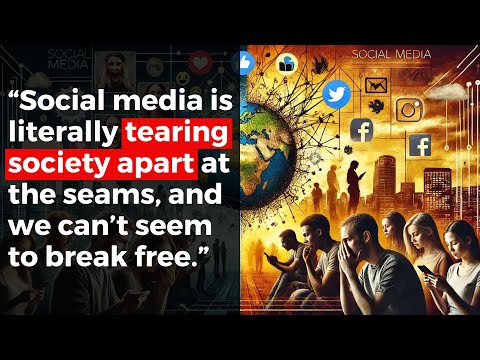
Social media has revolutionized the way we communicate, with over 4.2 billion active users worldwide as of 2022. However, its impact on mental health, politics, and social relationships is a subject of intense debate. While social media platforms like Facebook, Twitter, and Instagram have enabled global connectivity and facilitated social movements like #MeToo and #BlackLivesMatter, they have also been criticized for spreading misinformation, amplifying hate speech, and eroding attention spans. According to a study by the Pew Research Center, 70% of adults in the United States believe that social media has a negative impact on society. Furthermore, the algorithms used by social media platforms have been shown to prioritize sensational and provocative content, which can contribute to the spread of misinformation and the polarization of public discourse. As social media continues to evolve, it is essential to consider its impact on our collective well-being and to develop strategies for mitigating its negative effects. For instance, researchers like Jean Twenge and Jonathan Haidt have argued that excessive social media use can lead to increased symptoms of depression and anxiety in young people, while others like danah boyd and Whitney Phillips have highlighted the importance of critically evaluating the role of social media in shaping our cultural and political landscape.
🤝 The Power of Connection
One of the most significant benefits of social media is its ability to connect people across the globe. Platforms like LinkedIn and Facebook have made it easier for people to stay in touch with friends, family, and colleagues. Social media has also enabled people to connect with others who share similar interests, creating online communities around hobbies and passions. For instance, the Reddit community has become a hub for people to discuss and share information on various topics, from gaming to politics. Moreover, social media has facilitated the spread of information, allowing people to stay updated on current events and news. According to a study by Nielsen, 60% of people use social media to stay informed about news and current events, making it an essential tool for journalism and media outlets.
📰 The Spread of Information
The spread of information on social media has been both a blessing and a curse. On one hand, it has enabled people to access a vast amount of information, including news, educational resources, and entertainment. Platforms like YouTube and TikTok have become popular sources of information and entertainment, with millions of users accessing them every day. However, the spread of misinformation and fake news has become a significant concern, with many people using social media to spread false information and propaganda. According to a study by Stanford University, 70% of people have shared false information on social media, highlighting the need for fact-checking and media literacy.
🚫 Cyberbullying and Online Harassment
Cyberbullying and online harassment are significant concerns on social media, with many people experiencing online abuse and harassment. According to a study by Pew Research Center, 59% of teens have experienced online harassment, highlighting the need for online safety and digital citizenship. Moreover, social media has been linked to various forms of online harassment, including hate speech and online abuse. A study by Anti-Defamation League found that 37% of people have experienced online harassment, highlighting the need for online harassment education and social media regulation.
📈 The Impact on Society
The impact of social media on society is a complex issue, with both positive and negative effects. On one hand, social media has enabled people to connect with others and access information and resources that can help them manage their lives. For instance, platforms like Uber and Airbnb have become popular sources of transportation and accommodation, highlighting the potential of social media to drive economic growth and innovation. However, the spread of misinformation and fake news has become a significant concern, with many people using social media to spread false information and propaganda. According to a study by Stanford University, 70% of people have shared false information on social media, highlighting the need for fact-checking and media literacy.
👀 Conclusion
In conclusion, social media is a double-edged sword, bringing people together while also driving them apart. While it has many benefits, including the spread of information and the connection of people, it also has many downsides, including the spread of misinformation and the impact on mental health. As we move forward, it's essential to address these issues and ensure that social media is used in a way that benefits society as a whole. According to a study by Royal Society for Public Health, 60% of people believe that social media companies should do more to address mental health issues, highlighting the need for mental health awareness and social media education.
Key Facts
- Year
- 2004
- Origin
- The launch of Facebook by Mark Zuckerberg, Dustin Moskovitz, Chris Hughes, and Eduardo Saverin
- Category
- Technology and Culture
- Type
- Concept
Frequently Asked Questions
What is social media?
Social media refers to online platforms that enable people to connect with others, share information, and access resources. Examples of social media platforms include Facebook, Twitter, and Instagram. According to a study by Pew Research Center, 70% of adults in the United States use social media, highlighting its widespread adoption. Social media has become an integral part of our daily lives, with many people using it to stay in touch with friends and family, access information, and share their experiences.
What are the benefits of social media?
The benefits of social media include the connection of people, the spread of information, and the access to resources. Social media has enabled people to stay in touch with friends and family, access information and educational resources, and share their experiences. According to a study by Nielsen, 60% of people use social media to stay informed about news and current events, making it an essential tool for journalism and media outlets. Moreover, social media has facilitated the spread of information, allowing people to stay updated on current events and news.
What are the downsides of social media?
The downsides of social media include the spread of misinformation, the impact on mental health, and the risk of online harassment. Social media has been linked to various mental health issues, including anxiety, depression, and loneliness. According to a study by Royal Society for Public Health, 60% of people believe that social media companies should do more to address mental health issues, highlighting the need for mental health awareness and social media education. Moreover, social media has been criticized for its handling of user data, with many people calling for greater transparency and accountability.
How can we address the issues associated with social media?
To address the issues associated with social media, it's essential to promote digital citizenship, online safety, and media literacy. This can be achieved through education and awareness campaigns, as well as regulation and accountability. According to a study by Pew Research Center, 60% of people believe that social media companies should be regulated, highlighting the need for social media regulation and online safety. Moreover, social media companies should prioritize the well-being of their users and take steps to address issues such as cyberbullying and online harassment.
What is the future of social media?
The future of social media is uncertain, with many people calling for greater regulation and accountability. According to a study by Pew Research Center, 60% of people believe that social media companies should be regulated, highlighting the need for social media regulation and online safety. Moreover, social media companies are facing increasing pressure to address issues such as cyberbullying and online harassment, with many people calling for greater transparency and accountability. As we move forward, it's essential to address these issues and ensure that social media is used in a way that benefits society as a whole.
🔒 Social Media and Privacy
Social media and privacy are closely linked, with many people concerned about the collection and use of their personal data. According to a study by Pew Research Center, 70% of people are concerned about their online privacy, highlighting the need for online privacy and data protection. Moreover, social media companies have faced criticism for their handling of user data, with many people calling for greater transparency and accountability. A study by Harvard University found that 60% of people are concerned about the use of their personal data by social media companies, highlighting the need for data privacy and social media regulation.