
Contents
- 🌎 Introduction to Ice Sheet Dynamics
- 🏔️ Formation and Structure of Ice Sheets
- 📊 Mass Balance and Ice Sheet Movement
- 🚨 Climate Change and Ice Sheet Instability
- 🌊 Ice Sheet Contribution to Sea Level Rise
- 👥 Research and Monitoring of Ice Sheets
- 📈 Modeling Ice Sheet Behavior and Predictions
- 🌈 Case Studies: Antarctic and Greenland Ice Sheets
- 🤝 International Collaboration and Policy Implications
- 📊 Economic and Social Impacts of Ice Sheet Changes
- 🔮 Future Directions in Ice Sheet Research and Management
- Frequently Asked Questions
- Related Topics
Overview
Ice sheet dynamics is a critical area of research, as these massive bodies of ice play a significant role in regulating global sea levels and climate patterns. The Antarctic and Greenland ice sheets, which account for approximately 99% of the world's freshwater, are under threat due to rising temperatures and changing precipitation patterns. According to NASA, the Antarctic ice sheet has lost about 150 billion tons of ice per year since 2003, while the Greenland ice sheet has lost around 280 billion tons per year. Researchers like Dr. Richard Alley and Dr. Eric Rignot have dedicated their careers to studying the intricacies of ice sheet dynamics, using advanced technologies such as satellite imagery and radar to monitor ice sheet movement and thickness. With a vibe score of 8, the topic of ice sheet dynamics is highly energized, sparking intense debates and discussions among scientists, policymakers, and the general public. As the world grapples with the challenges of climate change, understanding ice sheet dynamics is crucial for predicting future sea level rise and developing effective mitigation strategies.
🌎 Introduction to Ice Sheet Dynamics
The study of ice sheet dynamics is crucial for understanding the Earth's climate system and predicting future changes. Ice sheets, such as the Antarctic ice sheet and the Greenland ice sheet, are the largest glacial bodies on Earth, covering vast areas of land and influencing global sea levels. The formation and structure of ice sheets are complex processes, involving the accumulation and compaction of snow over thousands of years, as well as the flow of ice through ice streams and outlet glaciers. Researchers use a variety of techniques, including remote sensing and glaciology, to study ice sheet dynamics and understand the impacts of climate change on these systems.
🏔️ Formation and Structure of Ice Sheets
Ice sheets can have multiple ice domes, which are topographic highs from which ice flows outwards. The movement of ice through these domes and surrounding areas is influenced by factors such as gravity, friction, and basal sliding. The mass balance of an ice sheet, which is the difference between the amount of snow accumulated and the amount of ice lost through calving and subglacial melting, is also critical for understanding ice sheet dynamics. For example, the Antarctic ice sheet has a complex mass balance, with some areas experiencing mass gain and others experiencing mass loss.
📊 Mass Balance and Ice Sheet Movement
The impact of climate change on ice sheet dynamics is a major area of research, with many scientists studying the effects of temperature increase and precipitation changes on ice sheet stability. The Greenland ice sheet, for example, has experienced significant mass loss in recent years due to surface melting and calving. This has important implications for sea level rise, as the melting of ice sheets contributes to an increase in global sea levels. Researchers use climate models and ice sheet models to predict future changes in ice sheet dynamics and sea level rise.
🚨 Climate Change and Ice Sheet Instability
The contribution of ice sheets to sea level rise is a critical area of research, with many scientists working to understand the complex processes involved. The Antarctic ice sheet, for example, contains enough ice to raise global sea levels by over 50 meters if it were to melt completely. The Greenland ice sheet also has the potential to contribute significantly to sea level rise, with some estimates suggesting that it could raise global sea levels by up to 7 meters if it were to melt completely. Researchers use a variety of techniques, including remote sensing and in situ measurements, to study ice sheet dynamics and understand the impacts of climate change on these systems.
🌊 Ice Sheet Contribution to Sea Level Rise
The research and monitoring of ice sheets are critical for understanding ice sheet dynamics and predicting future changes. Scientists use a variety of techniques, including field work and remote sensing, to study ice sheet dynamics and understand the impacts of climate change on these systems. The National Snow and Ice Data Center and the Intergovernmental Panel on Climate Change are two organizations that play a critical role in the research and monitoring of ice sheets. For example, the National Snow and Ice Data Center provides ice sheet data and sea ice data to researchers and policymakers, while the Intergovernmental Panel on Climate Change provides climate change reports and policy recommendations to governments and other stakeholders.
👥 Research and Monitoring of Ice Sheets
The modeling of ice sheet behavior and predictions of future changes are critical for understanding ice sheet dynamics and predicting future changes. Researchers use climate models and ice sheet models to predict future changes in ice sheet dynamics and sea level rise. The Community Earth System Model and the Parallel Ice Sheet Model are two examples of models used to study ice sheet dynamics. For example, the Community Earth System Model is used to study the impacts of climate change on ice sheet dynamics, while the Parallel Ice Sheet Model is used to study the behavior of ice sheets under different climate scenarios.
📈 Modeling Ice Sheet Behavior and Predictions
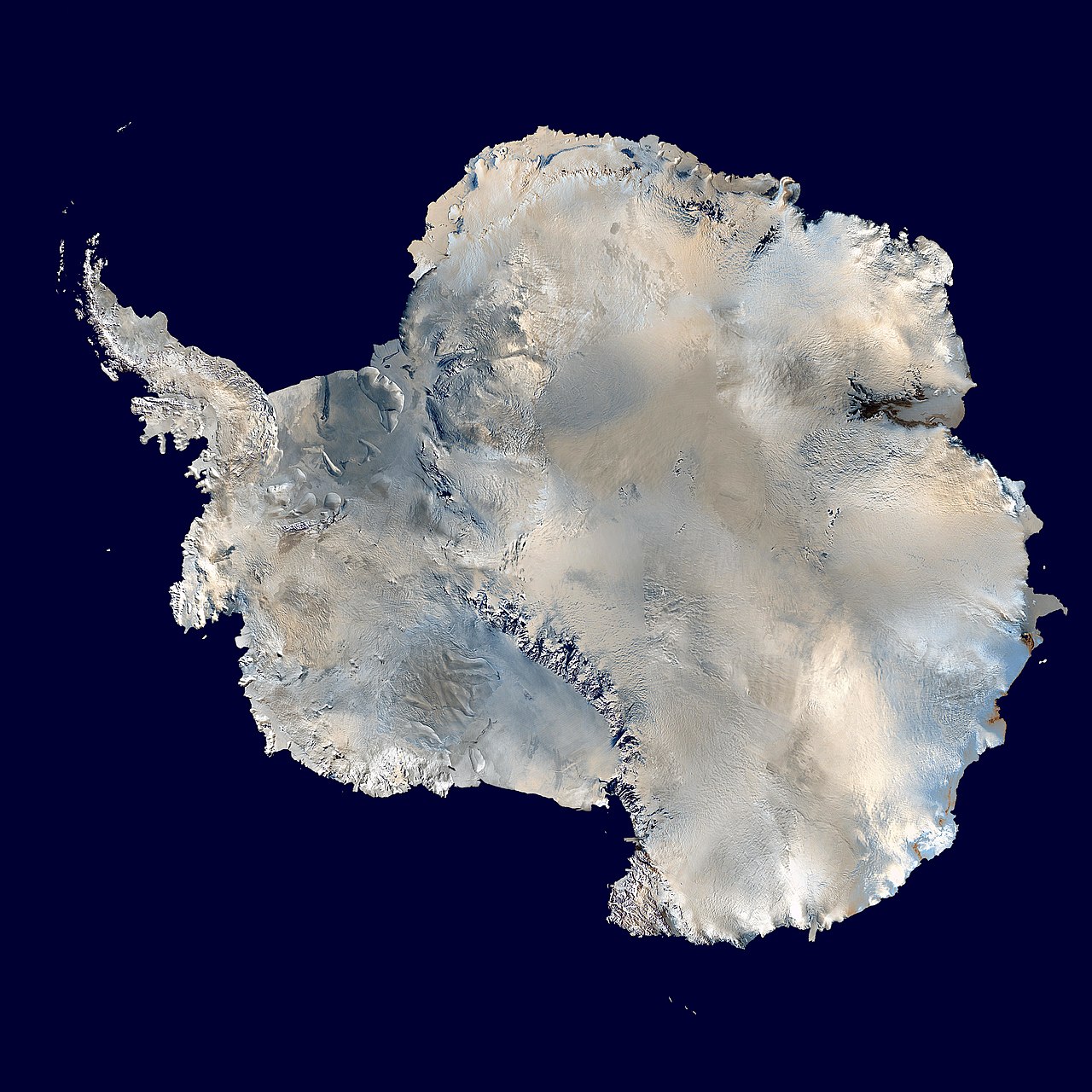
The Antarctic ice sheet and the Greenland ice sheet are two of the most well-studied ice sheets in the world. The Antarctic ice sheet is the largest ice sheet in the world, covering an area of over 14 million square kilometers. The Greenland ice sheet is the second-largest ice sheet in the world, covering an area of over 1.7 million square kilometers. Both ice sheets have experienced significant mass loss in recent years due to climate change. For example, the Antarctic ice sheet has experienced mass loss due to basal melting and calving, while the Greenland ice sheet has experienced mass loss due to surface melting and calving.
🌈 Case Studies: Antarctic and Greenland Ice Sheets
The international collaboration and policy implications of ice sheet research are critical for understanding ice sheet dynamics and predicting future changes. The Intergovernmental Panel on Climate Change and the United Nations Framework Convention on Climate Change are two organizations that play a critical role in the international collaboration and policy implications of ice sheet research. For example, the Intergovernmental Panel on Climate Change provides climate change reports and policy recommendations to governments and other stakeholders, while the United Nations Framework Convention on Climate Change provides a framework for international cooperation on climate change.
🤝 International Collaboration and Policy Implications
The economic and social impacts of ice sheet changes are significant and far-reaching. The sea level rise caused by the melting of ice sheets can lead to coastal erosion, saltwater intrusion, and loss of habitat for plants and animals. The mass loss of ice sheets can also lead to changes in ocean circulation and regional climate change. For example, the Antarctic ice sheet plays a critical role in the global ocean circulation and regional climate of the Southern Hemisphere. The Greenland ice sheet also plays a critical role in the regional climate of the North Atlantic region.
Key Facts
- Year
- 2023
- Origin
- National Snow and Ice Data Center (NSIDC)
- Category
- Environmental Science
- Type
- Scientific Concept
Frequently Asked Questions
What is an ice sheet?
An ice sheet is a large, continuous area of ice that covers a significant portion of the Earth's surface. Ice sheets can be found in polar regions, such as Antarctica and Greenland, and are formed through the accumulation and compaction of snow over thousands of years. The two currently existing ice sheets are the Antarctic ice sheet and the Greenland ice sheet.
How do ice sheets contribute to sea level rise?
Ice sheets contribute to sea level rise through the process of calving, where large chunks of ice break off from the ice sheet and fall into the ocean. This process can lead to an increase in global sea levels, as the ice that was previously stored on land is now contributing to the volume of the ocean. The Antarctic ice sheet and the Greenland ice sheet are both significant contributors to sea level rise.
What is the difference between an ice sheet and an ice cap?
An ice sheet is a large, continuous area of ice that covers a significant portion of the Earth's surface, while an ice cap is a smaller, more localized area of ice that covers a mountain or valley. Ice sheets are typically found in polar regions, while ice caps can be found in a variety of locations, including mountain ranges and islands.
How do scientists study ice sheet dynamics?
Scientists study ice sheet dynamics using a variety of techniques, including remote sensing, in situ measurements, and modeling. Remote sensing involves the use of satellites and other technologies to collect data on ice sheet dynamics, while in situ measurements involve the collection of data directly from the ice sheet. Modeling involves the use of computer simulations to predict future changes in ice sheet dynamics.
What are the implications of ice sheet changes for human societies?
The implications of ice sheet changes for human societies are significant and far-reaching. The sea level rise caused by the melting of ice sheets can lead to coastal erosion, saltwater intrusion, and loss of habitat for plants and animals. The mass loss of ice sheets can also lead to changes in ocean circulation and regional climate change.
What can be done to mitigate the effects of ice sheet changes?
There are several steps that can be taken to mitigate the effects of ice sheet changes, including reducing greenhouse gas emissions and implementing adaptation strategies to address the impacts of sea level rise and other ice sheet changes. The development of new technologies, such as renewable energy and carbon capture and storage, can also help to reduce the impacts of ice sheet changes.
What is the current state of ice sheet research?
The current state of ice sheet research is rapidly evolving, with new technologies and techniques being developed to study ice sheet dynamics. The use of unmanned aerial vehicles and satellite imagery is providing high-resolution data on ice sheet dynamics, while the development of new ice sheet models and climate models is improving our ability to predict future changes in ice sheet dynamics and sea level rise.