
Contents
- 🌎 Introduction to Ice Sheets
- 🏔️ Formation and Structure of Ice Sheets
- 📊 Ice Sheet Dynamics and Movement
- 🚨 Impact of Climate Change on Ice Sheets
- 🌊 Sea-Level Rise and Ice Sheet Contribution
- 👥 Ice Sheet Research and Exploration
- 📈 Ice Sheet Mass Balance and Budget
- 💡 Ice Sheet Modeling and Prediction
- 🌈 Ice Sheet and Climate Interactions
- 🚫 Ice Sheet Collapse and Consequences
- 🌐 Global Implications of Ice Sheet Changes
- Frequently Asked Questions
- Related Topics
Overview
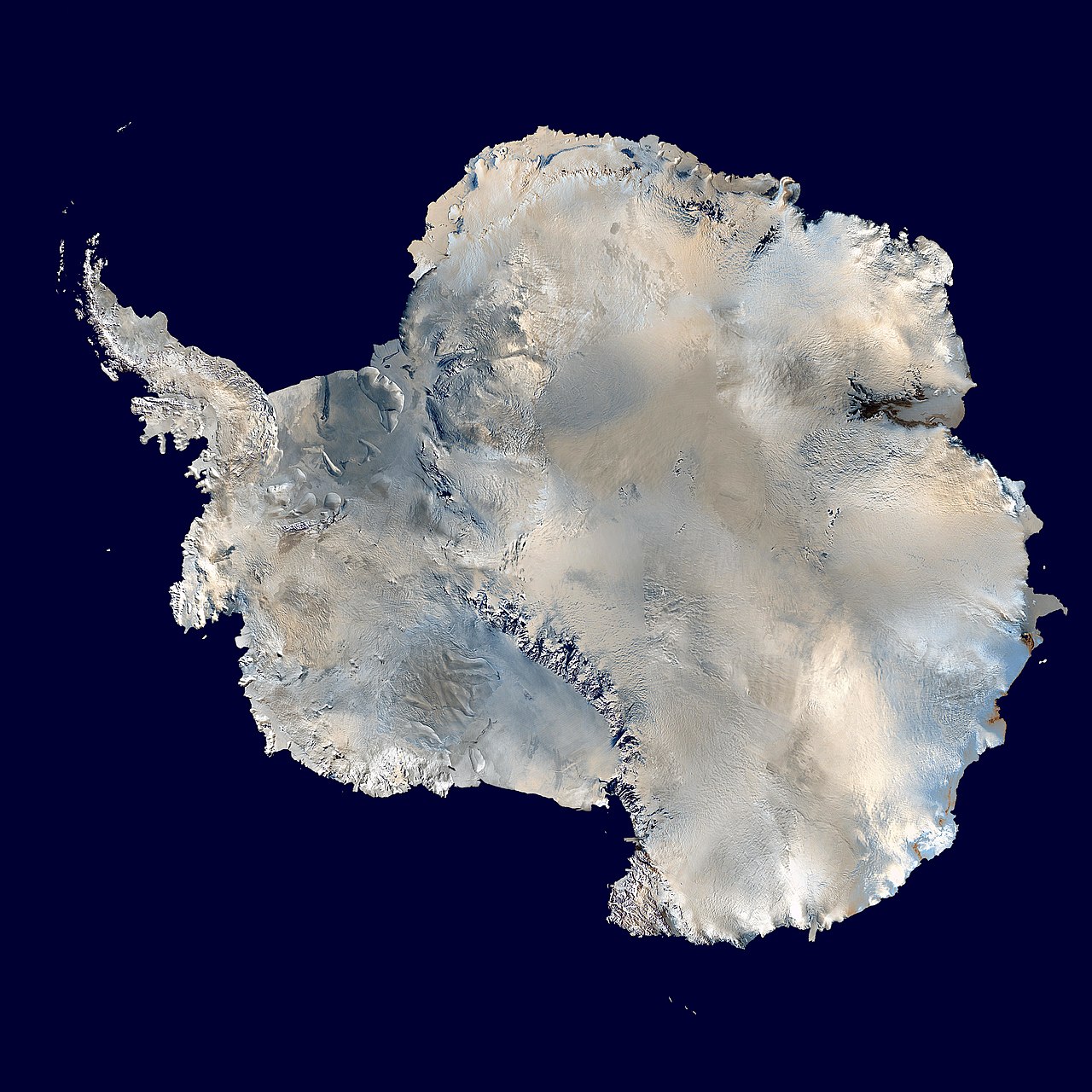
Ice sheets, the massive, slow-moving rivers of ice that cover about 10% of the Earth's land surface, are a crucial component of the planet's climate system. The two largest ice sheets, the Antarctic Ice Sheet and the Greenland Ice Sheet, contain approximately 99% of the world's freshwater, with the Antarctic Ice Sheet alone holding about 70% of the world's freshwater. However, these ice sheets are facing unprecedented threats due to climate change, with rising temperatures causing melting and calving at an alarming rate. According to NASA, the Antarctic Ice Sheet is losing about 150 billion tons of ice per year, while the Greenland Ice Sheet is losing around 280 billion tons per year. The consequences of this melting are far-reaching, from sea-level rise to changes in ocean currents and ecosystems. As the world grapples with the challenges of climate change, understanding the complex dynamics of ice sheets is more critical than ever, with scientists like Dr. Eric Rignot and Dr. Isabella Velicogna working tirelessly to study and predict the behavior of these natural wonders.
🌎 Introduction to Ice Sheets
Ice sheets, also known as continental glaciers, are massive bodies of ice that cover vast areas of land, with the two current existing ice sheets being the Antarctic ice sheet and the Greenland ice sheet. These ice sheets are the largest glacial bodies on Earth, distinguished from smaller ice caps or alpine glaciers. The study of ice sheets is crucial in understanding the Earth's climate system, as they play a significant role in regulating global sea levels and weather patterns. According to glaciology experts, ice sheets can have multiple ice domes, which are topographic highs from which ice flows outwards, and are typically drained by ice streams and outlet glaciers around their periphery. The National Snow and Ice Data Center provides valuable data and insights on ice sheet research and exploration.
🏔️ Formation and Structure of Ice Sheets
The formation and structure of ice sheets are complex processes that involve the accumulation and compaction of snow over thousands of years. The resulting ice mass can be up to 2 miles thick in some areas, with the Antarctic ice sheet being the largest and oldest, covering an area of about 14 million km². Ice sheets can be divided into different zones, including the accumulation zone, where snow falls and accumulates, and the ablation zone, where the ice is lost due to melting and calving. The Greenland ice sheet, on the other hand, is smaller but still significant, covering about 1.7 million km². Understanding the structure and dynamics of ice sheets is essential for predicting their response to climate change, as studied by climate scientists and glaciologists. The Intergovernmental Panel on Climate Change (IPCC) provides a framework for assessing the impacts of climate change on ice sheets.
📊 Ice Sheet Dynamics and Movement
Ice sheet dynamics and movement are critical components of the Earth's climate system, as they influence global sea levels and weather patterns. The movement of ice sheets is driven by gravity, with the ice flowing downhill under its own weight. The speed and direction of ice flow are controlled by the underlying topography and the amount of ice that is being added or removed from the system. Ice streams and outlet glaciers play a crucial role in the dynamics of ice sheets, as they are responsible for draining the ice from the interior of the sheet to the ocean. The National Oceanic and Atmospheric Administration (NOAA) monitors ice sheet movement and provides data on ice sheet dynamics. Researchers use remote sensing techniques to study ice sheet movement and mass balance.
🚨 Impact of Climate Change on Ice Sheets
Climate change is having a profound impact on ice sheets, with rising temperatures and changing precipitation patterns affecting the mass balance and dynamics of these systems. The Antarctic ice sheet is particularly vulnerable to climate change, as it is surrounded by warming ocean waters that are causing the ice to melt and calve at an alarming rate. The Greenland ice sheet is also experiencing significant changes, with the ice sheet losing mass at a rate of about 200 billion tons per year. The Intergovernmental Panel on Climate Change (IPCC) predicts that sea levels will rise by up to 1 meter by 2100, with ice sheets contributing significantly to this increase. The United Nations Framework Convention on Climate Change (UNFCCC) aims to mitigate the effects of climate change on ice sheets and global sea levels.
🌊 Sea-Level Rise and Ice Sheet Contribution
Sea-level rise is one of the most significant consequences of climate change, and ice sheets play a critical role in this process. As ice sheets melt and calve, they contribute to the increasing volume of water in the oceans, leading to rising sea levels. The Antarctic ice sheet contains about 70% of the world's fresh water, and if it were to melt completely, sea levels would rise by about 58 meters. The Greenland ice sheet contains about 10% of the world's fresh water, and its complete melting would result in a sea-level rise of about 7 meters. The National Oceanic and Atmospheric Administration (NOAA) monitors sea-level rise and provides data on ice sheet contributions to this process. Researchers use climate models to predict future sea-level rise and ice sheet changes.
👥 Ice Sheet Research and Exploration
Ice sheet research and exploration are essential for understanding the dynamics and behavior of these complex systems. Scientists use a range of techniques, including remote sensing, field measurements, and numerical modeling, to study ice sheets and their response to climate change. The National Science Foundation (NSF) supports ice sheet research and provides funding for scientists to conduct fieldwork and analyze data. The European Space Agency (ESA) also contributes to ice sheet research, using satellite data to study ice sheet dynamics and mass balance. Researchers collaborate with glaciologists, climate scientists, and geophysicists to advance our understanding of ice sheets.
📈 Ice Sheet Mass Balance and Budget
Ice sheet mass balance and budget are critical components of understanding the dynamics and behavior of these systems. The mass balance of an ice sheet is the difference between the amount of snow that falls on the ice sheet and the amount of ice that is lost through melting and calving. The Antarctic ice sheet has a positive mass balance, meaning that it is gaining more ice than it is losing, while the Greenland ice sheet has a negative mass balance, meaning that it is losing more ice than it is gaining. The National Snow and Ice Data Center provides data on ice sheet mass balance and budget. Researchers use mass balance models to predict future ice sheet changes and sea-level rise.
💡 Ice Sheet Modeling and Prediction
Ice sheet modeling and prediction are essential for understanding the future behavior of these complex systems. Scientists use numerical models to simulate the dynamics and behavior of ice sheets, including their response to climate change. The Intergovernmental Panel on Climate Change (IPCC) uses ice sheet models to predict future sea-level rise and ice sheet changes. The National Center for Atmospheric Research (NCAR) develops and runs ice sheet models to study ice sheet dynamics and mass balance. Researchers collaborate with climate modelers and glaciologists to improve ice sheet models and predictions.
🌈 Ice Sheet and Climate Interactions
Ice sheet and climate interactions are complex and multifaceted, with ice sheets playing a critical role in regulating global climate patterns. The Antarctic ice sheet influences the global ocean circulation and the formation of sea ice, while the Greenland ice sheet affects the North Atlantic Ocean circulation and the climate of Western Europe. The Intergovernmental Panel on Climate Change (IPCC) studies ice sheet and climate interactions, and the National Oceanic and Atmospheric Administration (NOAA) monitors ice sheet and climate interactions. Researchers use climate models to study ice sheet and climate interactions and predict future changes.
🚫 Ice Sheet Collapse and Consequences
Ice sheet collapse and consequences are significant concerns, as the loss of ice sheets would have profound impacts on global sea levels and climate patterns. The Antarctic ice sheet is particularly vulnerable to collapse, as it is surrounded by warming ocean waters that are causing the ice to melt and calve at an alarming rate. The Greenland ice sheet is also at risk of collapse, with the ice sheet losing mass at a rate of about 200 billion tons per year. The Intergovernmental Panel on Climate Change (IPCC) predicts that sea levels will rise by up to 1 meter by 2100, with ice sheets contributing significantly to this increase. The United Nations Framework Convention on Climate Change (UNFCCC) aims to mitigate the effects of climate change on ice sheets and global sea levels.
🌐 Global Implications of Ice Sheet Changes
Global implications of ice sheet changes are far-reaching and significant, with impacts on sea levels, climate patterns, and human societies. The loss of ice sheets would have profound consequences for coastal communities and ecosystems, with rising sea levels leading to increased flooding and erosion. The Intergovernmental Panel on Climate Change (IPCC) predicts that sea levels will rise by up to 1 meter by 2100, with ice sheets contributing significantly to this increase. The National Oceanic and Atmospheric Administration (NOAA) monitors sea-level rise and provides data on ice sheet contributions to this process. Researchers use climate models to predict future sea-level rise and ice sheet changes, and to study the global implications of ice sheet changes.
Key Facts
- Year
- 2020
- Origin
- The formation of ice sheets dates back to the Pleistocene epoch, around 2.5 million years ago, with the Antarctic Ice Sheet forming around 34 million years ago.
- Category
- Environmental Science
- Type
- Geological Formation
Frequently Asked Questions
What is an ice sheet?
An ice sheet is a massive body of ice that covers a large area of land, typically greater than 50,000 km². The two current existing ice sheets are the Antarctic ice sheet and the Greenland ice sheet. Ice sheets are the largest glacial bodies on Earth, distinguished from smaller ice caps or alpine glaciers.
How do ice sheets form?
Ice sheets form through the accumulation and compaction of snow over thousands of years. The resulting ice mass can be up to 2 miles thick in some areas, with the Antarctic ice sheet being the largest and oldest, covering an area of about 14 million km². The Greenland ice sheet is smaller but still significant, covering about 1.7 million km².
What is the impact of climate change on ice sheets?
Climate change is having a profound impact on ice sheets, with rising temperatures and changing precipitation patterns affecting the mass balance and dynamics of these systems. The Antarctic ice sheet is particularly vulnerable to climate change, as it is surrounded by warming ocean waters that are causing the ice to melt and calve at an alarming rate. The Greenland ice sheet is also experiencing significant changes, with the ice sheet losing mass at a rate of about 200 billion tons per year.
How do ice sheets contribute to sea-level rise?
Ice sheets contribute to sea-level rise by melting and calving, which adds water to the oceans and causes sea levels to rise. The Antarctic ice sheet contains about 70% of the world's fresh water, and if it were to melt completely, sea levels would rise by about 58 meters. The Greenland ice sheet contains about 10% of the world's fresh water, and its complete melting would result in a sea-level rise of about 7 meters.
What are the consequences of ice sheet collapse?
The collapse of ice sheets would have profound consequences for global sea levels and climate patterns. The loss of ice sheets would lead to increased flooding and erosion in coastal communities, and would have significant impacts on global climate patterns. The Intergovernmental Panel on Climate Change (IPCC) predicts that sea levels will rise by up to 1 meter by 2100, with ice sheets contributing significantly to this increase.
How can we mitigate the effects of climate change on ice sheets?
Mitigating the effects of climate change on ice sheets requires a reduction in greenhouse gas emissions and a transition to renewable energy sources. The United Nations Framework Convention on Climate Change (UNFCCC) aims to mitigate the effects of climate change on ice sheets and global sea levels. Researchers use climate models to predict future sea-level rise and ice sheet changes, and to study the global implications of ice sheet changes.
What is the current state of ice sheet research?
Ice sheet research is a rapidly evolving field, with scientists using a range of techniques, including remote sensing, field measurements, and numerical modeling, to study ice sheets and their response to climate change. The National Science Foundation (NSF) supports ice sheet research and provides funding for scientists to conduct fieldwork and analyze data. The European Space Agency (ESA) also contributes to ice sheet research, using satellite data to study ice sheet dynamics and mass balance.