
Contents
- 🌎 Introduction to Humanitarian Efforts
- 🏥 The History of Humanitarian Aid
- 🌈 Types of Humanitarian Assistance
- 🚨 Responding to Natural Disasters
- 🏃♀️ Refugee Support and Relief
- 🌟 The Role of NGOs in Humanitarian Efforts
- 💸 Funding and Resource Allocation
- 🤝 International Cooperation and Diplomacy
- 📊 Measuring the Impact of Humanitarian Aid
- 🚫 Challenges and Criticisms of Humanitarian Efforts
- 🌱 Future Directions for Humanitarian Assistance
- Frequently Asked Questions
- Related Topics
Overview
Humanitarian efforts have a long and complex history, with roots in 19th-century Europe and evolving over time to address modern crises like refugee migration, climate change, and pandemics. The Red Cross, founded in 1863 by Henry Dunant, is a seminal example of early humanitarian work. Today, organizations like Doctors Without Borders, the United Nations High Commissioner for Refugees (UNHCR), and the International Rescue Committee (IRC) are at the forefront of global humanitarian response. Despite the progress made, controversies surrounding aid distribution, cultural sensitivity, and the role of military intervention in humanitarian crises continue to surface. The sector is also witnessing a shift towards more localized and community-driven initiatives, with a growing emphasis on sustainable development and long-term resilience. As the world grapples with increasingly complex and interconnected challenges, the future of humanitarian efforts will depend on adaptability, innovation, and a deep understanding of the intricate web of global needs and responses.
🌎 Introduction to Humanitarian Efforts
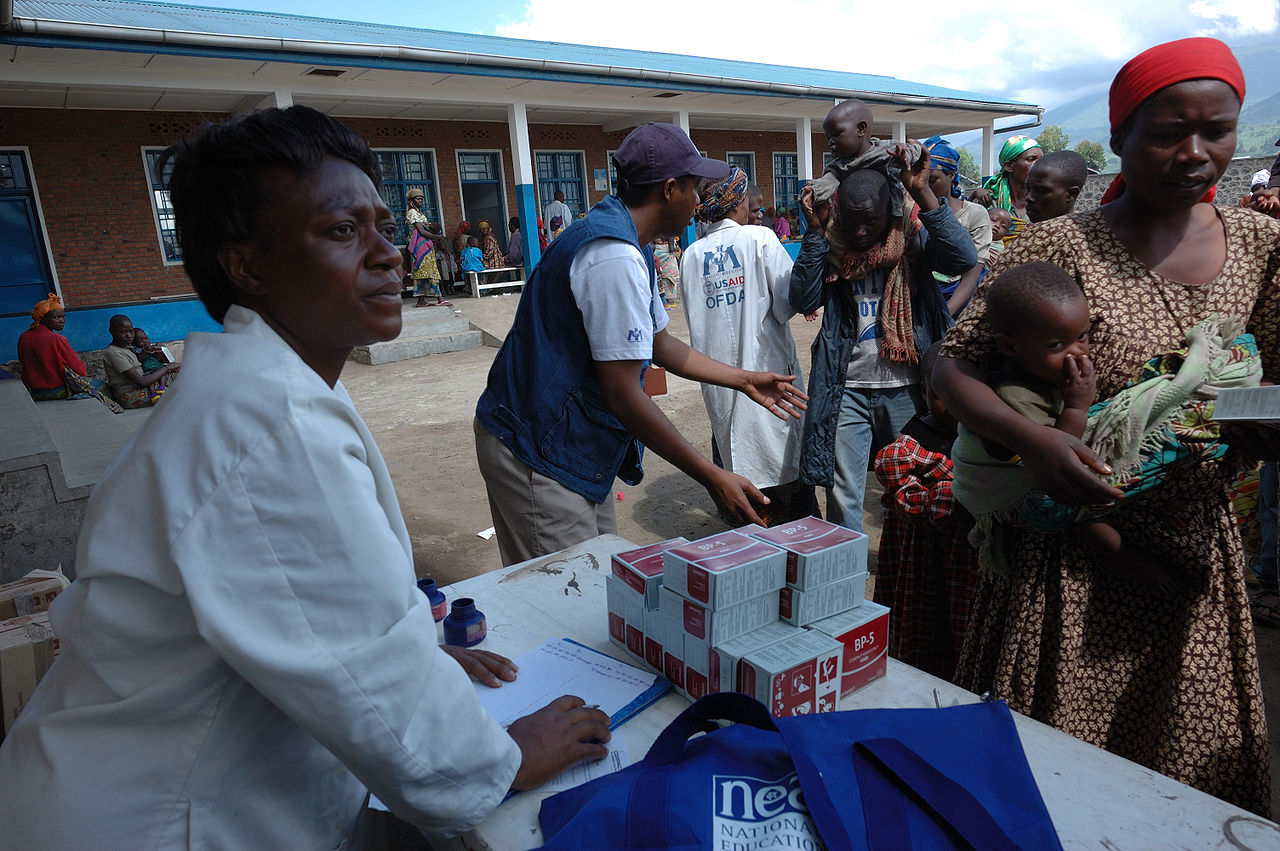
Humanitarian efforts are a complex web of aid and intervention, aiming to alleviate suffering and maintain human dignity in the face of crises. The primary objective of humanitarian aid is to save lives, as seen in the work of organizations like the Red Cross and Doctors Without Borders. Humanitarian aid can take many forms, including food, shelter, medical care, and emotional support. For example, the United Nations High Commissioner for Refugees provides vital assistance to refugees and displaced persons. As the world grapples with increasingly complex and interconnected crises, the need for effective humanitarian efforts has never been more pressing. The World Health Organization plays a critical role in coordinating global health responses to emergencies.
🏥 The History of Humanitarian Aid
The history of humanitarian aid is marked by significant milestones, including the establishment of the International Committee of the Red Cross in 1863. This organization, founded by Henry Dunant, has been at the forefront of humanitarian efforts for over 150 years. The Geneva Conventions, which established the rules for the conduct of war and the protection of civilians, have also had a profound impact on the development of humanitarian law. Today, organizations like Oxfam and Save the Children continue to push the boundaries of humanitarian aid, advocating for the rights of marginalized communities and promoting sustainable development. The United Nations plays a crucial role in coordinating international responses to humanitarian crises.
🌈 Types of Humanitarian Assistance
Humanitarian assistance can be categorized into several types, including emergency response, recovery, and development. Emergency response involves providing immediate relief to affected populations, such as food, shelter, and medical care. Recovery efforts focus on rebuilding and restoring communities, while development programs aim to address the root causes of crises and promote long-term sustainability. Organizations like UNICEF and the World Food Programme specialize in providing humanitarian aid to vulnerable populations, including children and the elderly. The European Union is also a significant player in humanitarian efforts, providing funding and support to affected regions. The African Union has also launched initiatives to enhance humanitarian response and coordination on the continent.
🚨 Responding to Natural Disasters
Natural disasters, such as hurricanes, earthquakes, and tsunamis, require rapid and coordinated humanitarian responses. Organizations like the Federal Emergency Management Agency (FEMA) and the National Disaster Response Force play critical roles in responding to these crises. The International Federation of Red Cross and Red Crescent Societies provides vital support to affected communities, including search and rescue operations, medical care, and shelter. In recent years, the impact of climate change has become increasingly evident, with more frequent and intense natural disasters affecting communities worldwide. The Intergovernmental Panel on Climate Change has highlighted the need for urgent action to mitigate the effects of climate change.
🏃♀️ Refugee Support and Relief
Refugee support and relief are critical components of humanitarian efforts, with millions of people displaced worldwide due to conflict, persecution, and natural disasters. Organizations like the UNHCR and the International Rescue Committee provide vital assistance to refugees, including food, shelter, and protection. The European Refugee Crisis has highlighted the need for more effective and coordinated responses to refugee crises, with many countries struggling to cope with the influx of displaced persons. The Global Refugee Forums aim to enhance international cooperation and coordination on refugee issues. The Refugee Council also plays a crucial role in advocating for the rights of refugees and asylum seekers.
🌟 The Role of NGOs in Humanitarian Efforts
Non-governmental organizations (NGOs) play a vital role in humanitarian efforts, providing critical support to affected populations and advocating for their rights. Organizations like Medecins Sans Frontieres (MSF) and CARE specialize in providing medical care, food, and shelter to vulnerable populations. The NGO Coordination Council aims to enhance collaboration and coordination among NGOs, governments, and international organizations. NGOs often work in partnership with governments, the United Nations, and other international organizations to deliver humanitarian aid and promote sustainable development. The Civil Society Organizations also contribute to humanitarian efforts, promoting community engagement and participation in relief and recovery efforts.
💸 Funding and Resource Allocation
Funding and resource allocation are critical components of humanitarian efforts, with billions of dollars required to respond to crises worldwide. Organizations like the United Nations Office for the Coordination of Humanitarian Affairs (OCHA) play a vital role in coordinating international responses to humanitarian crises, including the allocation of resources and funding. The Central Emergency Response Fund (CERF) provides critical funding to support humanitarian responses, while the World Bank offers financing and technical assistance to affected countries. The European Commission also provides significant funding and support to humanitarian efforts, particularly in the areas of food security and nutrition.
🤝 International Cooperation and Diplomacy
International cooperation and diplomacy are essential for effective humanitarian efforts, with governments, international organizations, and NGOs working together to respond to crises. The United Nations General Assembly has adopted several resolutions on humanitarian issues, including the Sendai Framework for Disaster Risk Reduction. The G7 and G20 summits have also highlighted the importance of international cooperation on humanitarian issues, including the need for more effective and coordinated responses to crises. The Humanitarian Summit aims to enhance international cooperation and coordination on humanitarian issues, while the Grand Bargain initiative seeks to improve the efficiency and effectiveness of humanitarian funding.
📊 Measuring the Impact of Humanitarian Aid
Measuring the impact of humanitarian aid is critical to ensuring that efforts are effective and efficient. Organizations like the Overseas Development Institute (ODI) and the Center for Global Development conduct research and analysis on humanitarian issues, including the impact of aid on affected populations. The Humanitarian Effectiveness initiative aims to enhance the quality and impact of humanitarian aid, while the Quality and Accountability initiative promotes accountability and transparency in humanitarian efforts. The Sphere Project provides a framework for measuring the impact of humanitarian aid, while the Core Humanitarian Standard sets out principles for effective and accountable humanitarian action.
🚫 Challenges and Criticisms of Humanitarian Efforts
Despite the best efforts of humanitarian organizations, challenges and criticisms persist. Issues like corruption, inefficiency, and lack of coordination can undermine the effectiveness of humanitarian aid, while the politics of humanitarian aid can create tensions and conflicts. The media coverage of humanitarian crises can also shape public perceptions and influence donor responses. Organizations like the Transparency International and the International Council of Voluntary Agencies (ICVA) work to promote transparency and accountability in humanitarian efforts, while the Humanitarian Aid Reform initiative seeks to enhance the effectiveness and efficiency of humanitarian aid.
🌱 Future Directions for Humanitarian Assistance
As the world continues to grapple with complex and interconnected crises, the future of humanitarian efforts will depend on innovation, collaboration, and a commitment to saving lives and alleviating suffering. Organizations like the Start Network and the Disaster Emergency Committee are working to enhance the effectiveness and efficiency of humanitarian aid, while the Humanitarian Innovation Fund supports the development of new technologies and approaches to humanitarian response. The Global Humanitarian Policy Forum aims to promote dialogue and cooperation among governments, international organizations, and NGOs on humanitarian issues.
Key Facts
- Year
- 2022
- Origin
- Vibepedia.wiki
- Category
- Social Impact
- Type
- Concept
Frequently Asked Questions
What is the primary objective of humanitarian aid?
The primary objective of humanitarian aid is to save lives, alleviate suffering, and maintain human dignity in the face of crises. Humanitarian aid can take many forms, including food, shelter, medical care, and emotional support. Organizations like the Red Cross and Doctors Without Borders provide vital assistance to affected populations. The United Nations plays a critical role in coordinating international responses to humanitarian crises.
What are the different types of humanitarian assistance?
Humanitarian assistance can be categorized into several types, including emergency response, recovery, and development. Emergency response involves providing immediate relief to affected populations, such as food, shelter, and medical care. Recovery efforts focus on rebuilding and restoring communities, while development programs aim to address the root causes of crises and promote long-term sustainability. Organizations like UNICEF and the World Food Programme specialize in providing humanitarian aid to vulnerable populations.
How do NGOs contribute to humanitarian efforts?
Non-governmental organizations (NGOs) play a vital role in humanitarian efforts, providing critical support to affected populations and advocating for their rights. Organizations like Medecins Sans Frontieres (MSF) and CARE specialize in providing medical care, food, and shelter to vulnerable populations. NGOs often work in partnership with governments, the United Nations, and other international organizations to deliver humanitarian aid and promote sustainable development.
What is the role of international cooperation in humanitarian efforts?
International cooperation and diplomacy are essential for effective humanitarian efforts, with governments, international organizations, and NGOs working together to respond to crises. The United Nations plays a critical role in coordinating international responses to humanitarian crises, while the G7 and G20 summits have highlighted the importance of international cooperation on humanitarian issues.
How can the impact of humanitarian aid be measured?
Measuring the impact of humanitarian aid is critical to ensuring that efforts are effective and efficient. Organizations like the Overseas Development Institute (ODI) and the Center for Global Development conduct research and analysis on humanitarian issues, including the impact of aid on affected populations. The Humanitarian Effectiveness initiative aims to enhance the quality and impact of humanitarian aid, while the Quality and Accountability initiative promotes accountability and transparency in humanitarian efforts.
What are the challenges facing humanitarian efforts?
Despite the best efforts of humanitarian organizations, challenges and criticisms persist. Issues like corruption, inefficiency, and lack of coordination can undermine the effectiveness of humanitarian aid, while the politics of humanitarian aid can create tensions and conflicts. Organizations like the Transparency International and the International Council of Voluntary Agencies (ICVA) work to promote transparency and accountability in humanitarian efforts.
What is the future of humanitarian efforts?
As the world continues to grapple with complex and interconnected crises, the future of humanitarian efforts will depend on innovation, collaboration, and a commitment to saving lives and alleviating suffering. Organizations like the Start Network and the Disaster Emergency Committee are working to enhance the effectiveness and efficiency of humanitarian aid, while the Humanitarian Innovation Fund supports the development of new technologies and approaches to humanitarian response.