
Contents
- 🌳 Introduction to Human Wildlife Conflict
- 🏞️ Causes of Human Wildlife Conflict
- 🐯 Consequences of Human Wildlife Conflict
- 🌟 Impact on Biodiversity
- 👥 Human Dimensions of Human Wildlife Conflict
- 🌿 Mitigation Strategies
- 📊 Economic Implications of Human Wildlife Conflict
- 🌎 Global Response to Human Wildlife Conflict
- 🔍 Research and Monitoring
- 👻 Coexisting with Wildlife
- 📢 Raising Awareness
- 🌈 Future Directions
- Frequently Asked Questions
- Related Topics
Overview
Human wildlife conflict (HWC) is a pressing issue worldwide, with over 75% of all mammal species and 50% of all bird species experiencing conflict with humans, resulting in an estimated 1,000 human deaths and 100,000 animal deaths annually. The main drivers of HWC are habitat fragmentation, human population growth, and climate change, which force animals to venture into human-dominated landscapes in search of food, water, and shelter. According to a study by the World Wildlife Fund (WWF), the global cost of HWC is estimated to be around $1 billion annually. The conflict is particularly pronounced in regions with high conservation value, such as the African savannas and the Asian forests, where iconic species like elephants, lions, and tigers are often at the forefront of the conflict. As the human population is projected to reach 9.7 billion by 2050, the pressure on wildlife habitats will only intensify, making it essential to develop effective mitigation strategies to reduce the risk of HWC. Researchers like Dr. Stuart Pimm and Dr. Peter Lindsey are working tirelessly to address this issue, with some experts suggesting that the implementation of community-based conservation initiatives and the use of innovative technologies, such as camera traps and drones, could help reduce the incidence of HWC by up to 50%.
🌳 Introduction to Human Wildlife Conflict
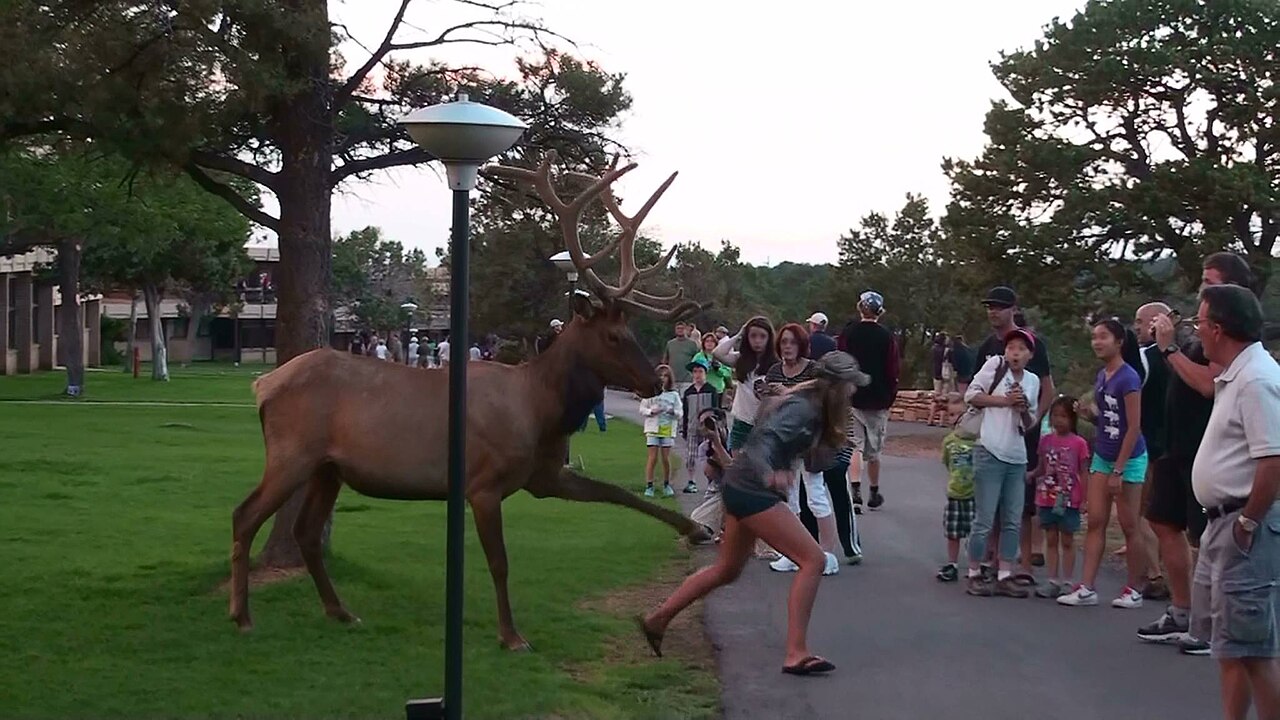
Human wildlife conflict (HWC) is a growing concern worldwide, with far-reaching consequences for both humans and animals. As the human population continues to expand, the competition for natural resources intensifies, leading to increased encounters between humans and wild animals. The food security of local communities is often threatened, while the well-being of both humans and animals is compromised. According to the World Wildlife Fund, HWC is one of the major drivers of biodiversity loss. To address this issue, it is essential to understand the complex relationships between humans, wildlife, and their habitats.
🏞️ Causes of Human Wildlife Conflict
The primary cause of HWC is the competition for natural resources, such as water and land use. As human populations grow, they encroach upon wildlife habitats, leading to conflicts over resources. The United Nations Environment Programme reports that the transformation of land use, such as deforestation and urbanization, has resulted in the loss of habitats and the fragmentation of wildlife populations. This, in turn, increases the likelihood of encounters between humans and wild animals. The iucn has identified HWC as a major threat to species conservation.
🐯 Consequences of Human Wildlife Conflict
The consequences of HWC are multifaceted and can have devastating effects on both humans and animals. The World Health Organization reports that HWC can lead to the transmission of zoonotic diseases, such as rabies and Ebola, from animals to humans. Additionally, HWC can result in the loss of lives and property, as well as the degradation of ecosystem services. The Food and Agriculture Organization of the United Nations estimates that HWC can lead to significant economic losses, particularly in rural areas. The biodiversity conservation efforts are also compromised due to HWC.
🌟 Impact on Biodiversity
The impact of HWC on biodiversity is a pressing concern. The IPBES report highlights that HWC is one of the major drivers of biodiversity loss, with many species facing extinction due to habitat loss and fragmentation. The species extinction rate is currently estimated to be 100 to 1,000 times higher than the natural rate. The ecosystem disruption caused by HWC can have cascading effects on the entire ecosystem, leading to the loss of ecosystem services. The conservation biology community is working to develop effective strategies to mitigate HWC and protect biodiversity.
👥 Human Dimensions of Human Wildlife Conflict
The human dimensions of HWC are complex and multifaceted. The human wellbeing is often compromised due to HWC, particularly in rural areas where people depend on natural resources for their livelihoods. The poverty reduction efforts are also hindered by HWC, as the loss of livelihoods and property can exacerbate poverty. The gender equity aspect of HWC is also an important consideration, as women and children are often disproportionately affected by HWC. The United Nations Development Programme is working to address the human dimensions of HWC through sustainable development initiatives.
🌿 Mitigation Strategies
Mitigation strategies for HWC are essential to reduce the conflicts between humans and wild animals. The wildlife corridors can help to reduce the fragmentation of habitats and allow for the movement of wildlife. The compensation schemes for crop and livestock damage can also help to reduce the economic losses incurred by farmers. The community-based conservation initiatives can help to engage local communities in conservation efforts and promote coexistence with wildlife. The human wildlife conflict mitigation strategies are being developed and implemented by organizations such as the World Wildlife Fund.
📊 Economic Implications of Human Wildlife Conflict
The economic implications of HWC are significant, with estimated losses ranging from millions to billions of dollars. The economic impact of HWC can be felt at the local, national, and global levels. The tourism industry can also be affected by HWC, as the presence of wild animals can be a major tourist attraction. The sustainable tourism initiatives can help to promote coexistence with wildlife and support conservation efforts. The ecotourism industry is also working to develop responsible tourism practices that minimize the impact on wildlife and their habitats.
🌎 Global Response to Human Wildlife Conflict
The global response to HWC is gaining momentum, with international organizations and governments working together to address the issue. The United Nations has recognized HWC as a major challenge to sustainable development and has called for increased efforts to mitigate the conflicts. The human wildlife conflict management strategies are being developed and implemented by organizations such as the Food and Agriculture Organization. The biodiversity conservation efforts are also being supported by international agreements such as the Convention on Biological Diversity.
🔍 Research and Monitoring
Research and monitoring are essential to understand the complexities of HWC and develop effective mitigation strategies. The human wildlife conflict research is being conducted by universities and research institutions around the world. The wildlife monitoring programs can help to track the movement and behavior of wild animals, providing valuable insights into the causes and consequences of HWC. The conflict mitigation strategies can be developed and implemented based on the findings of research and monitoring programs.
👻 Coexisting with Wildlife
Coexisting with wildlife is essential to reduce the conflicts between humans and wild animals. The wildlife-friendly farming practices can help to promote coexistence with wildlife and support conservation efforts. The human wildlife coexistence initiatives can help to engage local communities in conservation efforts and promote the value of wildlife conservation. The ecosystem services provided by wildlife can also be recognized and valued, providing a strong incentive for conservation efforts.
📢 Raising Awareness
Raising awareness about HWC is essential to promote conservation efforts and engage local communities in mitigation strategies. The human wildlife conflict awareness campaigns can help to educate people about the causes and consequences of HWC. The conservation education programs can also help to promote the value of wildlife conservation and engage local communities in conservation efforts. The social media platforms can be used to raise awareness about HWC and promote conservation efforts.
🌈 Future Directions
The future directions for HWC mitigation are promising, with new technologies and strategies being developed to reduce the conflicts between humans and wild animals. The human wildlife conflict mitigation technologies can help to detect and prevent conflicts, providing a safe and effective way to promote coexistence with wildlife. The sustainable development initiatives can also help to address the root causes of HWC, providing a long-term solution to the problem.
Key Facts
- Year
- 2022
- Origin
- International Union for Conservation of Nature (IUCN)
- Category
- Environmental Conservation
- Type
- Environmental Issue
Frequently Asked Questions
What is human wildlife conflict?
Human wildlife conflict (HWC) refers to the negative interactions between humans and wild animals, with undesirable consequences both for people and their resources on the one hand, and wildlife and their habitats on the other. HWC is caused by competition for natural resources between human and wildlife, influencing human food security and the well-being of both humans and other animals.
What are the causes of human wildlife conflict?
The primary cause of HWC is the competition for natural resources, such as water and land use. As human populations grow, they encroach upon wildlife habitats, leading to conflicts over resources. The transformation of land use, such as deforestation and urbanization, has resulted in the loss of habitats and the fragmentation of wildlife populations.
What are the consequences of human wildlife conflict?
The consequences of HWC are multifaceted and can have devastating effects on both humans and animals. HWC can lead to the transmission of zoonotic diseases, such as rabies and Ebola, from animals to humans. Additionally, HWC can result in the loss of lives and property, as well as the degradation of ecosystem services.
How can human wildlife conflict be mitigated?
Mitigation strategies for HWC are essential to reduce the conflicts between humans and wild animals. The wildlife corridors can help to reduce the fragmentation of habitats and allow for the movement of wildlife. The compensation schemes for crop and livestock damage can also help to reduce the economic losses incurred by farmers.
What is the global response to human wildlife conflict?
The global response to HWC is gaining momentum, with international organizations and governments working together to address the issue. The United Nations has recognized HWC as a major challenge to sustainable development and has called for increased efforts to mitigate the conflicts.
What is the future direction for human wildlife conflict mitigation?
The future directions for HWC mitigation are promising, with new technologies and strategies being developed to reduce the conflicts between humans and wild animals. The human wildlife conflict mitigation technologies can help to detect and prevent conflicts, providing a safe and effective way to promote coexistence with wildlife.
How can we promote coexistence with wildlife?
Promoting coexistence with wildlife is essential to reduce the conflicts between humans and wild animals. The wildlife-friendly farming practices can help to promote coexistence with wildlife and support conservation efforts. The human wildlife coexistence initiatives can help to engage local communities in conservation efforts and promote the value of wildlife conservation.