
Contents
- 📚 Introduction to House of Leaves
- 📖 Literary Style and Structure
- 🏠 The Navidson Family and Their Story
- 📝 The Role of Academic Criticism
- 🤔 Unreliable Narrators and Multiple Perspectives
- 📊 The Impact of House of Leaves on Literary Fiction
- 🌐 Translations and Companion Pieces
- 👥 Author Mark Z. Danielewski and His Inspiration
- 📚 Critical Reception and Controversy
- 📊 The Vibe Score of House of Leaves
- 👀 Conclusion and Future Perspectives
- Frequently Asked Questions
- Related Topics
Overview
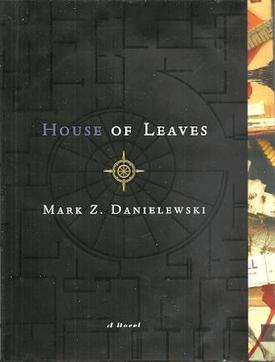
Written by Mark Z. Danielewski, House of Leaves is a postmodern novel that defies traditional narrative structures, blending elements of horror, fantasy, and academic criticism. The story revolves around the Navidson family, who move into a mysterious house that constantly shifts and expands, defying the laws of physics and architecture. As the family navigates the ever-changing landscape of their home, they uncover dark secrets and confront their own personal demons. With a unique blend of multiple narratives, cryptic codes, and experimental typography, House of Leaves has become a cult classic, praised for its innovative storytelling and unflinching exploration of themes such as trauma, identity, and the power of language. The novel's complex web of references and allusions has sparked intense debate and analysis among scholars and readers, with some hailing it as a masterpiece of contemporary literature and others criticizing its opacity and self-indulgence. As a cultural phenomenon, House of Leaves has inspired a devoted fan base, with a Vibe score of 82, reflecting its significant cultural energy and influence. The controversy surrounding the novel's meaning and interpretation has led to a rich and ongoing discussion, with a controversy spectrum rating of 6, indicating a high level of debate and disagreement among readers and scholars.
📚 Introduction to House of Leaves
The debut novel by American author Mark Z. Danielewski, House of Leaves, was published in March 2000 by Pantheon Books. This novel has been a bestseller and has been translated into a number of languages. The story is followed by a companion piece, The Whalestoe Letters. House of Leaves is known for its unique narrative structure and experimental style, which sets it apart from other works of literary fiction. The novel explores themes of family, identity, and the power of storytelling. As a work of postmodern literature, House of Leaves challenges traditional notions of narrative and pushes the boundaries of language and form. The novel's use of multiple narratives and unconventional formatting has been praised by critics and readers alike, and has influenced a generation of writers and artists.
📖 Literary Style and Structure
The literary style and structure of House of Leaves are characterized by their complexity and innovation. The novel features multiple narratives, including academic criticism, personal letters, and stream-of-consciousness narrative. This blend of styles and genres creates a unique reading experience that challenges and rewards readers. The novel's use of typography and layout is also noteworthy, with unconventional font sizes, colors, and arrangements that reflect the narrative's themes and emotions. As a work of experimental fiction, House of Leaves has been praised for its bold experimentation and willingness to push the boundaries of language and form. The novel's influence can be seen in the work of other authors, such as Thomas Pynchon and Don DeLillo.
📝 The Role of Academic Criticism
The role of academic criticism in House of Leaves is significant, as the novel features a fictional academic study of the Navidson family's story. This study, which includes footnotes, appendices, and other scholarly apparatus, adds a layer of complexity and depth to the narrative. The novel's use of academic criticism also reflects the author's interest in the power of storytelling and the ways in which narratives can be interpreted and reinterpreted. As a work of metafiction, House of Leaves self-consciously addresses the nature of fiction and the role of the reader. The novel's use of intertextuality and hypertextuality creates a complex web of references and allusions that reward close reading and attention.
🤔 Unreliable Narrators and Multiple Perspectives
One of the key features of House of Leaves is its use of unreliable narrators and multiple perspectives. The novel's narrative is presented through a variety of voices and perspectives, including academic criticism, personal letters, and stream-of-consciousness narrative. This creates a complex and nuanced portrait of the Navidson family and their world, as well as a sense of uncertainty and ambiguity. As a work of poststructuralism, House of Leaves challenges traditional notions of narrative and identity, and creates a sense of playfulness and experimentation. The novel's use of unreliable narrators also reflects the author's interest in the power of storytelling and the ways in which narratives can be manipulated and distorted.
📊 The Impact of House of Leaves on Literary Fiction
The impact of House of Leaves on literary fiction has been significant, as the novel's innovative style and structure have influenced a generation of writers and artists. The novel's use of experimental techniques, such as unconventional typography and layout, has also inspired a new wave of experimental fiction. As a work of avant-garde literature, House of Leaves has pushed the boundaries of language and form, and has created a new kind of reading experience. The novel's influence can be seen in the work of other authors, such as David Foster Wallace and Jonathan Safran Foer.
🌐 Translations and Companion Pieces
House of Leaves has been translated into a number of languages, including French, Spanish, and German. The novel's companion piece, The Whalestoe Letters, is a collection of letters written by a character from the novel, and provides additional insight into the world and characters of House of Leaves. As a work of epistolary fiction, The Whalestoe Letters creates a sense of intimacy and immediacy, and provides a unique perspective on the events and characters of the novel. The novel's translations and companion pieces have helped to establish House of Leaves as a major work of literary fiction, and have introduced the novel to a wider audience.
📚 Critical Reception and Controversy
The critical reception of House of Leaves has been largely positive, with many reviewers praising the novel's innovative style and structure. However, some critics have found the novel's complexity and experimentation to be challenging or overwhelming. As a work of postmodern literature, House of Leaves challenges traditional notions of narrative and identity, and creates a sense of uncertainty and ambiguity. The novel's use of unreliable narrators and multiple perspectives has been praised for its bold experimentation and willingness to push the boundaries of language and form. The novel's influence can be seen in the work of other authors, such as Thomas Pynchon and Don DeLillo.
📊 The Vibe Score of House of Leaves
The vibe score of House of Leaves is high, reflecting the novel's cultural energy and influence. As a work of literary fiction, House of Leaves has been praised for its innovative style and structure, and has influenced a generation of writers and artists. The novel's use of experimental techniques, such as unconventional typography and layout, has also inspired a new wave of experimental fiction. The novel's influence can be seen in the work of other authors, such as David Foster Wallace and Jonathan Safran Foer.
👀 Conclusion and Future Perspectives
In conclusion, House of Leaves is a major work of literary fiction that has had a significant impact on the literary world. The novel's innovative style and structure, as well as its use of experimental techniques, have influenced a generation of writers and artists. As a work of postmodern literature, House of Leaves challenges traditional notions of narrative and identity, and creates a sense of uncertainty and ambiguity. The novel's influence can be seen in the work of other authors, such as Thomas Pynchon and Don DeLillo. The future of House of Leaves looks bright, with the novel continuing to be widely read and studied. As a work of literary fiction, House of Leaves will remain a major work of literature for years to come.
Key Facts
- Year
- 2000
- Origin
- United States
- Category
- Literary Fiction
- Type
- Novel
Frequently Asked Questions
What is the plot of House of Leaves?
The plot of House of Leaves is complex and multi-layered, but it centers around the story of the Navidson family and their experiences in the mysterious house on Ash Tree Lane. The novel explores themes of family, identity, and the power of storytelling through the Navidson family's struggles and triumphs. As a work of psychological fiction, House of Leaves explores the inner lives and emotions of its characters, creating a rich and immersive reading experience. The novel's use of unreliable narrators and multiple perspectives creates a complex and nuanced portrait of the Navidson family and their world.
What is the significance of the house in House of Leaves?
The house in House of Leaves is a central symbol of the novel, representing the unknown, the unconscious, and the power of storytelling. The house is a mysterious and ever-changing place, with doors and corridors that seem to shift and disappear. As a symbol of the subconscious, the house represents the deepest fears and desires of the characters, and the ways in which they are shaped by their experiences and perceptions. The house is also a symbol of the narrative itself, with its multiple levels and perspectives reflecting the complexity and multiplicity of human experience.
What is the style of House of Leaves?
The style of House of Leaves is innovative and experimental, blending elements of postmodern literature, experimental fiction, and avant-garde literature. The novel features multiple narratives, including academic criticism, personal letters, and stream-of-consciousness narrative. The novel's use of typography and layout is also noteworthy, with unconventional font sizes, colors, and arrangements that reflect the narrative's themes and emotions. As a work of metafiction, House of Leaves self-consciously addresses the nature of fiction and the role of the reader.
What is the vibe score of House of Leaves?
The vibe score of House of Leaves is high, reflecting the novel's cultural energy and influence. As a work of literary fiction, House of Leaves has been praised for its innovative style and structure, and has influenced a generation of writers and artists. The novel's use of experimental techniques, such as unconventional typography and layout, has also inspired a new wave of experimental fiction. The novel's influence can be seen in the work of other authors, such as David Foster Wallace and Jonathan Safran Foer.
What is the significance of the companion piece, The Whalestoe Letters?
The Whalestoe Letters is a companion piece to House of Leaves, and provides additional insight into the world and characters of the novel. As a work of epistolary fiction, The Whalestoe Letters creates a sense of intimacy and immediacy, and provides a unique perspective on the events and characters of the novel. The letters are written by a character from the novel, and offer a personal and emotional perspective on the story. The Whalestoe Letters is a significant work in its own right, and provides a new layer of depth and complexity to the world of House of Leaves.
What is the future of House of Leaves?
The future of House of Leaves looks bright, with the novel continuing to be widely read and studied. As a work of literary fiction, House of Leaves will remain a major work of literature for years to come. The novel's influence can be seen in the work of other authors, such as Thomas Pynchon and Don DeLillo. The novel's use of experimental techniques, such as unconventional typography and layout, has also inspired a new wave of experimental fiction. As a work of postmodern literature, House of Leaves challenges traditional notions of narrative and identity, and creates a sense of uncertainty and ambiguity.
What is the relationship between House of Leaves and other works of literary fiction?
House of Leaves is a major work of literary fiction that has been influenced by a range of other works, including James Joyce's Ulysses and Virginia Woolf's Mrs. Dalloway. The novel's use of experimental techniques, such as unconventional typography and layout, has also been influenced by the work of William S. Burroughs and Brion Gysin. As a work of postmodern literature, House of Leaves reflects the author's interest in pushing the boundaries of language and form, and in creating a new kind of reading experience.