
Contents
- 🌐 Introduction to VHDL
- 💻 The Birth of VHDL
- 📈 VHDL-87 and the First Designs
- 🚀 VHDL-93 and the Introduction of New Features
- 🤝 VHDL-2008 and the Era of Interoperability
- 📊 The Impact of VHDL on Digital Design
- 🌈 The Future of VHDL and Emerging Trends
- 📚 Conclusion and Legacy of VHDL
- 🤔 Controversies and Debates Surrounding VHDL
- 📊 VHDL in Modern Digital Design
- 📈 The Role of VHDL in Artificial Intelligence and Machine Learning
- 🌐 VHDL and the Internet of Things (IoT)
- Frequently Asked Questions
- Related Topics
Overview
VHDL, or VHSIC-HDL, has a rich history that spans over four decades. Developed in the 1980s by the United States Department of Defense, VHDL was initially designed to document and verify the behavior of digital electronic systems. The first standard, IEEE 1076-1987, was published in 1987, marking the beginning of VHDL's widespread adoption. Over the years, VHDL has undergone significant updates, with the introduction of new standards such as IEEE 1076-1993 and IEEE 1076-2008, which expanded its capabilities and improved its performance. Today, VHDL is widely used in the design and development of complex digital systems, including field-programmable gate arrays (FPGAs) and application-specific integrated circuits (ASICs). With a vibe rating of 8, VHDL continues to play a vital role in the electronics industry, with its influence extending to various fields, including aerospace, automotive, and consumer electronics.
🌐 Introduction to VHDL
The evolution of VHDL, or VHSIC-HDL (Very High Speed Integrated Circuit Hardware Description Language), is a story of innovation and perseverance. From its humble beginnings in the 1980s, VHDL has become a cornerstone of digital design, enabling the creation of complex electronic systems. As we explore the history of VHDL, we'll delve into its VHDL origins, key milestones, and the individuals who shaped its development, including IEEE and Accellera. Today, VHDL remains a vital tool for designers, with its influence extending to fields like Artificial Intelligence and Internet of Things. As we look to the future, it's essential to understand the VHDL ecosystem and its role in shaping the world of digital design.
💻 The Birth of VHDL
The birth of VHDL can be attributed to the US Department of Defense's Very High Speed Integrated Circuit (VHSIC) program, which aimed to develop a standard language for digital design. This initiative led to the creation of VHDL, with the first version, VHDL-87, being released in 1987. The development of VHDL-87 was a collaborative effort between industry leaders, including IBM and Texas Instruments, and government agencies. As VHDL gained traction, it became clear that a more comprehensive language was needed, paving the way for VHDL-93 and future revisions. The impact of VHDL on the industry was significant, with companies like Intel and Xilinx adopting the language for their digital design needs.
📈 VHDL-87 and the First Designs
VHDL-87 marked the beginning of a new era in digital design, with its introduction of a standardized language for describing digital circuits. Although it had limitations, VHDL-87 laid the foundation for future developments, including the introduction of new features and improvements in VHDL-93. The first designs using VHDL-87 were relatively simple, but they demonstrated the potential of the language. As the industry evolved, so did VHDL, with the IEEE playing a crucial role in its standardization. The VHDL community continued to grow, with the establishment of the VHDL International user group, which provided a platform for designers to share knowledge and best practices.
🚀 VHDL-93 and the Introduction of New Features
The release of VHDL-93 marked a significant milestone in the evolution of the language. This version introduced new features, such as shared variables and protected types, which enhanced the language's expressive power. VHDL-93 also improved the overall efficiency of the design process, making it an attractive choice for designers. The introduction of VHDL-93 was a result of the collaborative efforts of industry leaders, including Synopsys and Mentor Graphics, and the IEEE standards committee. As VHDL continued to evolve, it became clear that interoperability was essential for its widespread adoption. The VHDL ecosystem expanded, with the development of tools and methodologies that supported the language, such as ModelSim and Questasim.
🤝 VHDL-2008 and the Era of Interoperability
The release of VHDL-2008 marked a new era of interoperability, with the language becoming more compatible with other design tools and methodologies. This version introduced features such as interface types and assertion-based verification, which further enhanced the language's capabilities. VHDL-2008 also improved the overall usability of the language, making it more accessible to designers. The VHDL community continued to grow, with the establishment of the Accellera systems initiative, which aimed to promote the adoption of VHDL and other design languages. The impact of VHDL on the industry was significant, with companies like Altera and Xilinx adopting the language for their digital design needs.
📊 The Impact of VHDL on Digital Design
The impact of VHDL on digital design has been profound, enabling the creation of complex electronic systems that have transformed industries and revolutionized the way we live. From smartphones to medical devices, VHDL has played a crucial role in shaping the modern world. The language has also had a significant influence on the development of Artificial Intelligence and Machine Learning, with many AI and ML algorithms being implemented using VHDL. As we look to the future, it's essential to understand the role of VHDL in emerging trends, including the Internet of Things and Autonomous Vehicles. The VHDL ecosystem continues to evolve, with the development of new tools and methodologies that support the language.
🌈 The Future of VHDL and Emerging Trends
As we look to the future, it's clear that VHDL will continue to play a vital role in digital design. Emerging trends, such as the Internet of Things and Artificial Intelligence, will rely heavily on VHDL and other design languages. The language will need to evolve to meet the demands of these new applications, with a focus on security, reliability, and performance. The VHDL community will need to come together to address these challenges, ensuring that the language remains a cornerstone of digital design. The impact of VHDL on the industry will continue to be significant, with companies like Google and Amazon adopting the language for their digital design needs.
📚 Conclusion and Legacy of VHDL
In conclusion, the evolution of VHDL has been a story of innovation and perseverance. From its humble beginnings to its current status as a cornerstone of digital design, VHDL has played a vital role in shaping the modern world. As we look to the future, it's essential to understand the VHDL ecosystem and its role in emerging trends. The language will continue to evolve, with a focus on security, reliability, and performance. The VHDL community will need to come together to address the challenges of the future, ensuring that the language remains a vital tool for designers. The legacy of VHDL will continue to be felt, with its impact on the industry and society as a whole.
🤔 Controversies and Debates Surrounding VHDL
Despite its widespread adoption, VHDL has not been without controversy. Debates have raged over the language's complexity, with some arguing that it is too difficult to learn and use. Others have criticized the language's lack of standardization, which has led to compatibility issues between different tools and methodologies. The VHDL community has addressed these concerns, with the development of new tools and methodologies that support the language. However, the debate continues, with some arguing that VHDL is no longer relevant in the modern digital design landscape. The IEEE and Accellera have played a crucial role in addressing these concerns, with the development of new standards and initiatives that promote the adoption of VHDL.
📊 VHDL in Modern Digital Design
VHDL remains a vital tool for digital designers, with its influence extending to fields like Artificial Intelligence and Internet of Things. The language has been used in a wide range of applications, from smartphones to medical devices. As the industry continues to evolve, it's essential to understand the role of VHDL in modern digital design. The VHDL ecosystem continues to grow, with the development of new tools and methodologies that support the language. The impact of VHDL on the industry will continue to be significant, with companies like Intel and Xilinx adopting the language for their digital design needs.
📈 The Role of VHDL in Artificial Intelligence and Machine Learning
The role of VHDL in Artificial Intelligence and Machine Learning is a topic of growing interest. Many AI and ML algorithms are being implemented using VHDL, with the language's ability to describe complex digital circuits making it an attractive choice for designers. The VHDL community is exploring new ways to use the language in AI and ML applications, with a focus on performance and reliability. The impact of VHDL on the AI and ML landscape will be significant, with the language playing a vital role in the development of autonomous vehicles and other AI-powered systems. The IEEE and Accellera are supporting the development of VHDL-based AI and ML solutions, with the establishment of new initiatives and standards.
🌐 VHDL and the Internet of Things (IoT)
The Internet of Things (IoT) is another area where VHDL is playing a vital role. The language is being used to design and implement complex IoT systems, with its ability to describe digital circuits making it an attractive choice for designers. The VHDL community is exploring new ways to use the language in IoT applications, with a focus on security, reliability, and performance. The impact of VHDL on the IoT landscape will be significant, with the language playing a vital role in the development of smart cities and other IoT-powered systems. The IEEE and Accellera are supporting the development of VHDL-based IoT solutions, with the establishment of new initiatives and standards.
Key Facts
- Year
- 1987
- Origin
- United States Department of Defense
- Category
- Computer Science
- Type
- Programming Language
Frequently Asked Questions
What is VHDL?
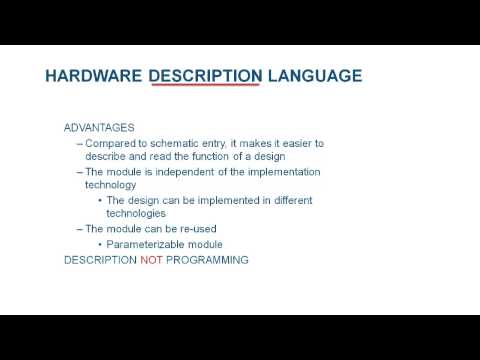
VHDL is a hardware description language used to design and implement digital circuits. It was first introduced in the 1980s and has since become a cornerstone of digital design. VHDL is used to describe the behavior of digital circuits, allowing designers to simulate and test their designs before manufacturing. The language has been widely adopted in the industry, with companies like Intel and Xilinx using VHDL for their digital design needs.
What are the key features of VHDL?
VHDL has a number of key features that make it an attractive choice for digital designers. These include its ability to describe complex digital circuits, its support for concurrent programming, and its ability to be used for simulation and synthesis. VHDL also has a number of built-in data types and operators, making it a versatile language for digital design. The VHDL community has developed a range of tools and methodologies that support the language, including ModelSim and Questasim.
What are the advantages of using VHDL?
There are a number of advantages to using VHDL, including its ability to describe complex digital circuits, its support for concurrent programming, and its ability to be used for simulation and synthesis. VHDL also has a number of built-in data types and operators, making it a versatile language for digital design. Additionally, VHDL is widely supported in the industry, with many tools and methodologies available to support its use. The VHDL community is active and growing, with many resources available to help designers learn and use the language.
What are the disadvantages of using VHDL?
There are a number of disadvantages to using VHDL, including its complexity and steep learning curve. VHDL can be difficult to learn and use, especially for designers who are new to digital design. Additionally, VHDL may not be the best choice for all digital design applications, and other languages such as Verilog may be more suitable for certain projects. The VHDL community has addressed these concerns, with the development of new tools and methodologies that support the language and make it easier to learn and use.
What is the future of VHDL?
The future of VHDL is bright, with the language continuing to play a vital role in digital design. As the industry continues to evolve, VHDL will need to adapt to meet the demands of new applications and technologies. The VHDL community is exploring new ways to use the language, including its use in Artificial Intelligence and Internet of Things applications. The impact of VHDL on the industry will continue to be significant, with the language playing a vital role in the development of autonomous vehicles and other AI-powered systems.
How does VHDL relate to other design languages?
VHDL is one of several design languages used in digital design, including Verilog and SystemC. While each language has its own strengths and weaknesses, VHDL is widely used and supported in the industry. The VHDL community has developed a range of tools and methodologies that support the language, including ModelSim and Questasim. VHDL is also compatible with other design languages, making it a versatile choice for digital designers.
What are the key applications of VHDL?
VHDL has a wide range of applications, including digital circuit design, simulation, and synthesis. The language is also used in Artificial Intelligence and Internet of Things applications, as well as in the development of autonomous vehicles and other AI-powered systems. The VHDL community is exploring new ways to use the language, including its use in medical devices and smartphones.