
Contents
- 📁 Introduction to Document Management
- 💻 Early Days of Document Management Systems
- 📈 Evolution of Document Management: From Local to Cloud
- 🔍 Content Management Systems and Their Overlap with DMS
- 📊 Enterprise Content Management: A Broader Perspective
- 📄 Digital Asset Management and Its Connection to DMS
- 📸 Document Imaging: A Key Component of DMS
- 📝 Workflow Systems and Their Role in Document Management
- 🗂️ Records Management Systems: The Final Stage of Document Lifecycle
- 🔒 Security and Compliance in Document Management
- 📊 Future of Document Management: Trends and Predictions
- Frequently Asked Questions
- Related Topics
Overview
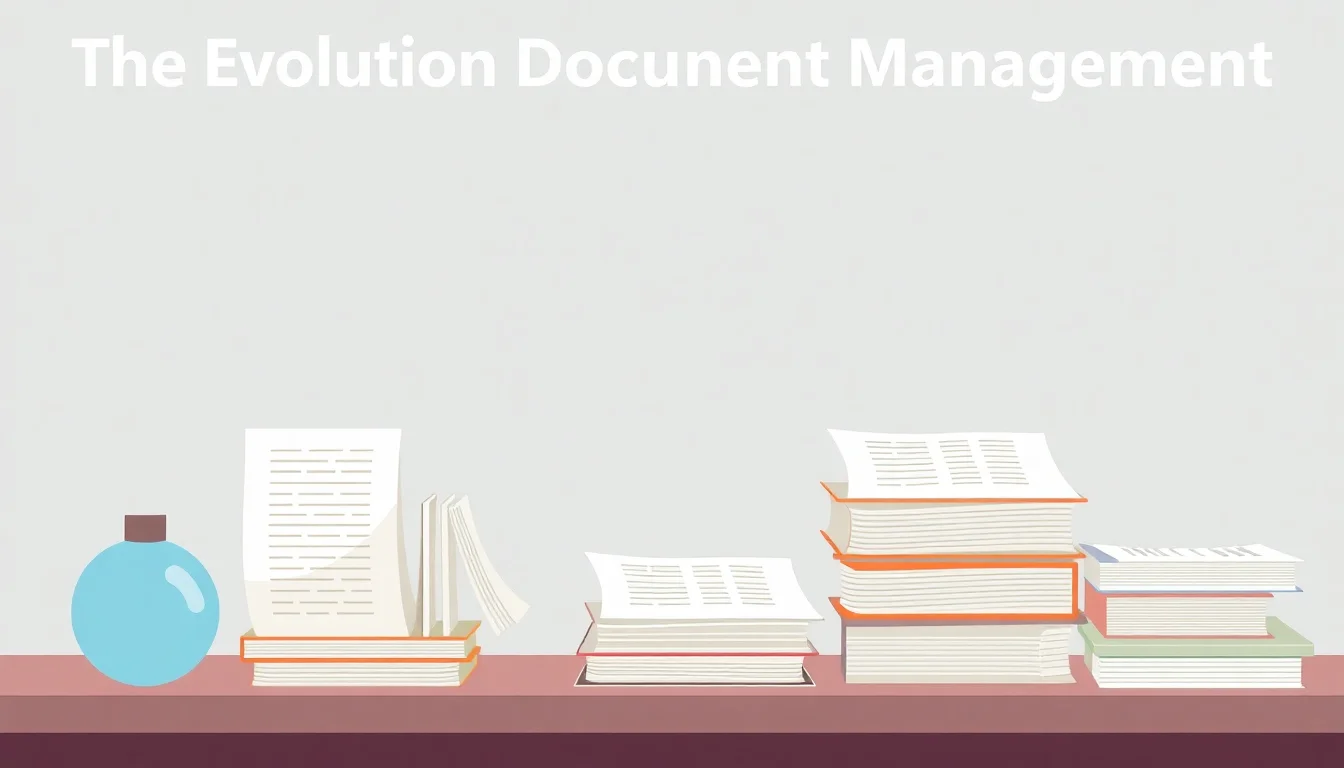
The history of document management dates back to ancient civilizations, with evidence of organized record-keeping found in Egypt, Greece, and Rome. The modern era of document management began in the 1960s with the introduction of mainframe computers and the first electronic document management systems. The 1980s saw the rise of personal computers and the development of desktop document management software, such as Microsoft Office. The 1990s and 2000s witnessed the emergence of web-based document management systems, including SharePoint and Documentum. Today, cloud-based document management platforms like Google Drive, Dropbox, and Box dominate the market, offering real-time collaboration, artificial intelligence-powered search, and advanced security features. As the volume and complexity of digital documents continue to grow, the history of document management serves as a reminder of the ongoing quest for efficient and effective information organization and retrieval. With the rise of artificial intelligence and machine learning, the future of document management is likely to be shaped by automated classification, predictive analytics, and personalized content recommendations, with an estimated 30% of organizations expected to adopt AI-powered document management by 2025, according to a report by Gartner.
📁 Introduction to Document Management
The concept of document management has been around for decades, with the first document management systems (DMS) emerging in the 1980s. These early systems were primarily used for storing and retrieving documents, but they lacked the sophistication of modern DMS. As technology advanced, DMS evolved to include features such as document imaging, workflow systems, and records management systems. Today, DMS is a crucial component of enterprise content management (ECM) systems, which enable organizations to manage all types of content, including documents, images, and videos. For more information on ECM, visit the ECM page.
💻 Early Days of Document Management Systems
The early days of document management systems were marked by the use of local storage devices, such as hard drives and floppy disks. These systems were limited in their capacity and functionality, but they paved the way for the development of more advanced DMS. The introduction of content management systems (CMS) in the 1990s revolutionized the way organizations managed their content. CMS enabled users to create, edit, and publish content on the web, making it easier to share and collaborate on documents. However, CMS and DMS are not the same thing, as explained in the CMS article. To learn more about the history of CMS, visit the history of CMS page.
📈 Evolution of Document Management: From Local to Cloud
The evolution of document management from local to cloud-based systems has been a significant turning point in the history of DMS. Cloud-based DMS offers greater scalability, flexibility, and collaboration capabilities, making it an attractive option for organizations of all sizes. However, the shift to cloud-based DMS also raises concerns about security and compliance, as sensitive documents are stored outside the organization's premises. To mitigate these risks, organizations must implement robust security measures, such as encryption and access controls, as discussed in the security and compliance article. For more information on cloud-based DMS, visit the cloud-based DMS page.
🔍 Content Management Systems and Their Overlap with DMS
Content management systems and document management systems are often used interchangeably, but they are not the same thing. While both systems manage content, CMS is primarily used for web content management, whereas DMS is used for managing documents and other types of content. The overlap between CMS and DMS is significant, as many organizations use both systems to manage their content. However, DMS is a more specialized system that is designed specifically for managing documents, as explained in the DMS article. To learn more about the differences between CMS and DMS, visit the CMS vs DMS page.
📊 Enterprise Content Management: A Broader Perspective
Enterprise content management (ECM) is a broader concept that encompasses document management, as well as other types of content management. ECM systems are designed to manage all types of content, including documents, images, videos, and social media posts. ECM systems provide a centralized platform for managing content, making it easier to search, retrieve, and share content across the organization. However, ECM systems can be complex and expensive to implement, as discussed in the ECM article. For more information on ECM systems, visit the ECM systems page.
📄 Digital Asset Management and Its Connection to DMS
Digital asset management (DAM) is a key component of document management, as it enables organizations to manage their digital assets, such as images, videos, and audio files. DAM systems provide a centralized platform for managing digital assets, making it easier to search, retrieve, and share assets across the organization. However, DAM systems can be complex and require significant investment in hardware and software, as explained in the DAM article. To learn more about DAM systems, visit the DAM systems page.
📸 Document Imaging: A Key Component of DMS
Document imaging is a critical component of document management, as it enables organizations to convert paper documents into digital format. Document imaging systems use scanners and software to capture and store images of documents, making it easier to manage and retrieve documents. However, document imaging systems can be expensive to implement, and the quality of the images can vary depending on the scanner and software used, as discussed in the document imaging article. For more information on document imaging systems, visit the document imaging systems page.
📝 Workflow Systems and Their Role in Document Management
Workflow systems are an essential component of document management, as they enable organizations to automate business processes and workflows. Workflow systems provide a centralized platform for managing workflows, making it easier to assign tasks, track progress, and collaborate on documents. However, workflow systems can be complex and require significant investment in software and training, as explained in the workflow systems article. To learn more about workflow systems, visit the workflow systems software page.
🗂️ Records Management Systems: The Final Stage of Document Lifecycle
Records management systems are a critical component of document management, as they enable organizations to manage their records and ensure compliance with regulatory requirements. Records management systems provide a centralized platform for managing records, making it easier to search, retrieve, and dispose of records. However, records management systems can be complex and require significant investment in software and training, as discussed in the records management systems article. For more information on records management systems, visit the records management systems software page.
🔒 Security and Compliance in Document Management
Security and compliance are critical components of document management, as organizations must ensure that their documents are secure and compliant with regulatory requirements. Document management systems must provide robust security measures, such as encryption and access controls, to protect sensitive documents. However, security and compliance can be complex and require significant investment in software and training, as explained in the security and compliance article. To learn more about security and compliance in document management, visit the security and compliance in document management page.
📊 Future of Document Management: Trends and Predictions
The future of document management is likely to be shaped by emerging trends and technologies, such as artificial intelligence, blockchain, and the Internet of Things. These technologies will enable organizations to manage their documents more efficiently and effectively, and provide new opportunities for collaboration and innovation. However, the future of document management also raises concerns about security and compliance, as organizations must ensure that their documents are secure and compliant with regulatory requirements, as discussed in the future of document management article. For more information on the future of document management, visit the future of document management trends page.
Key Facts
- Year
- 1960
- Origin
- Mainframe computers and early electronic document management systems
- Category
- Information Technology
- Type
- Concept
Frequently Asked Questions
What is a document management system?
A document management system (DMS) is a computerized system used to store, share, track, and manage files or documents. DMS provides a centralized platform for managing documents, making it easier to search, retrieve, and share documents across the organization. For more information on DMS, visit the DMS page.
What is the difference between a content management system and a document management system?
A content management system (CMS) is primarily used for web content management, whereas a document management system (DMS) is used for managing documents and other types of content. While both systems manage content, they are designed for different purposes and have different features. To learn more about the differences between CMS and DMS, visit the CMS vs DMS page.
What is enterprise content management?
Enterprise content management (ECM) is a broader concept that encompasses document management, as well as other types of content management. ECM systems are designed to manage all types of content, including documents, images, videos, and social media posts. ECM systems provide a centralized platform for managing content, making it easier to search, retrieve, and share content across the organization. For more information on ECM systems, visit the ECM systems page.
What is digital asset management?
Digital asset management (DAM) is a key component of document management, as it enables organizations to manage their digital assets, such as images, videos, and audio files. DAM systems provide a centralized platform for managing digital assets, making it easier to search, retrieve, and share assets across the organization. To learn more about DAM systems, visit the DAM systems page.
What is the future of document management?
The future of document management is likely to be shaped by emerging trends and technologies, such as artificial intelligence, blockchain, and the Internet of Things. These technologies will enable organizations to manage their documents more efficiently and effectively, and provide new opportunities for collaboration and innovation. However, the future of document management also raises concerns about security and compliance, as organizations must ensure that their documents are secure and compliant with regulatory requirements. For more information on the future of document management, visit the future of document management page.