
Contents
Overview
The study of hip anatomy is crucial for yogis, as it allows them to understand the intricacies of the hip joint and its surrounding muscles. According to B.K.S. Iyengar, a renowned yoga master, the hip joint is a complex structure that requires careful attention and respect. By exploring the 17 muscles of the hip, including the gluteal group, lateral rotator group, adductor group, and iliopsoas group, yogis can gain a deeper understanding of their body and its capabilities. This knowledge can be applied to various yoga practices, such as Hatha Yoga and Vinyasa Yoga, to enhance flexibility, strength, and overall well-being.
🔍 Exploring the Muscles of the Hip
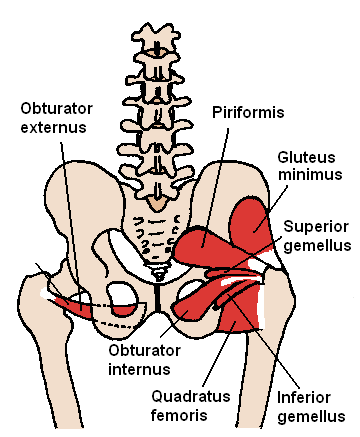
The gluteal group, which includes the gluteus maximus, gluteus medius, and gluteus minimus, plays a vital role in hip extension and external rotation. The lateral rotator group, comprising the piriformis, obturator internus, and gemellus, helps to stabilize the hip joint and facilitate external rotation. The adductor group, which includes the adductor magnus, adductor longus, and adductor brevis, is responsible for hip adduction and internal rotation. The iliopsoas group, consisting of the iliacus and psoas major, plays a crucial role in hip flexion and internal rotation. By understanding the functions and interactions of these muscle groups, yogis can develop a more informed and effective practice.
🧘♀️ Yoga Practices for Hip Health
Hip anatomy yoga practices, such as Pigeon Pose and Warrior Pose, can help to strengthen and stretch the muscles of the hip, improving flexibility and reducing the risk of injury. According to Yoga Journal, a leading yoga publication, hip anatomy yoga can also help to alleviate symptoms of hip arthritis and other hip-related conditions. By incorporating hip anatomy yoga into their practice, yogis can cultivate a deeper awareness of their body and its capabilities, leading to a more fulfilling and sustainable practice.
🌈 Cultural Significance and History
The cultural significance and history of hip anatomy yoga are deeply rooted in the traditions of yoga and Ayurveda. In ancient India, yogis and Ayurvedic practitioners recognized the importance of the hip joint and its surrounding muscles in maintaining overall health and well-being. Through the study of hip anatomy and the development of specialized yoga practices, yogis can tap into this rich cultural heritage and cultivate a deeper understanding of their body and its capabilities. As noted by Desikachar, a renowned yoga master, the practice of yoga is not just about physical postures, but also about cultivating a deeper awareness of the body and its connections to the world around us.
Key Facts
- Year
- 1960s
- Origin
- India
- Category
- fitness
- Type
- concept
Frequently Asked Questions
What are the 17 muscles of the hip?
The 17 muscles of the hip include the gluteal group, lateral rotator group, adductor group, and iliopsoas group. These muscles work together to facilitate movement and stability in the hip joint. As noted by Gray's Anatomy, a leading anatomy textbook, the muscles of the hip are complex and multifaceted, requiring careful attention and respect. By understanding the functions and interactions of these muscle groups, yogis can develop a more informed and effective practice, incorporating techniques from Pilates and physical therapy.
How can hip anatomy yoga help alleviate symptoms of hip arthritis?
Hip anatomy yoga can help alleviate symptoms of hip arthritis by strengthening and stretching the muscles of the hip, improving flexibility and reducing inflammation. According to Arthritis Foundation, a leading health organization, yoga and other low-impact exercises can be beneficial for people with hip arthritis. By incorporating hip anatomy yoga into their practice, yogis can cultivate a deeper awareness of their body and its capabilities, leading to a more fulfilling and sustainable practice, and reducing the risk of injury, as noted by Yoga Alliance.
What are some common hip anatomy yoga practices?
Some common hip anatomy yoga practices include Pigeon Pose, Warrior Pose, and Triangle Pose. These practices can help to strengthen and stretch the muscles of the hip, improving flexibility and reducing the risk of injury. As noted by Yoga International, a leading yoga publication, hip anatomy yoga can also help to cultivate a deeper awareness of the body and its connections to the world around us, incorporating principles from mindfulness and meditation.
How can I incorporate hip anatomy yoga into my practice?
You can incorporate hip anatomy yoga into your practice by working with a qualified yoga instructor or therapist, or by using online resources and tutorials. It's also important to listen to your body and honor its limitations, as noted by Yoga Therapy. By cultivating a deeper awareness of your body and its capabilities, you can develop a more informed and effective practice, and reduce the risk of injury, as recommended by American Council on Exercise.
What are the benefits of hip anatomy yoga?
The benefits of hip anatomy yoga include improved flexibility and strength, reduced risk of injury, and enhanced overall well-being. By understanding the intricacies of the hip joint and its surrounding muscles, yogis can cultivate a deeper awareness of their body and its capabilities, leading to a more fulfilling and sustainable practice, as noted by National Institutes of Health.