
Contents
- 📚 Introduction to Hilary Putnam
- 💡 Philosophical Contributions
- 🔍 Critique of Metaphysical Realism
- 📝 Functionalism and the Mind
- 🤝 Influence of Wittgenstein and Quine
- 📊 Mathematical Realism
- 🌐 Social and Political Philosophy
- 📚 Legacy and Impact
- 📝 Putnam's Later Work
- 👥 Criticisms and Controversies
- 🔜 Future Directions
- Frequently Asked Questions
- Related Topics
Overview
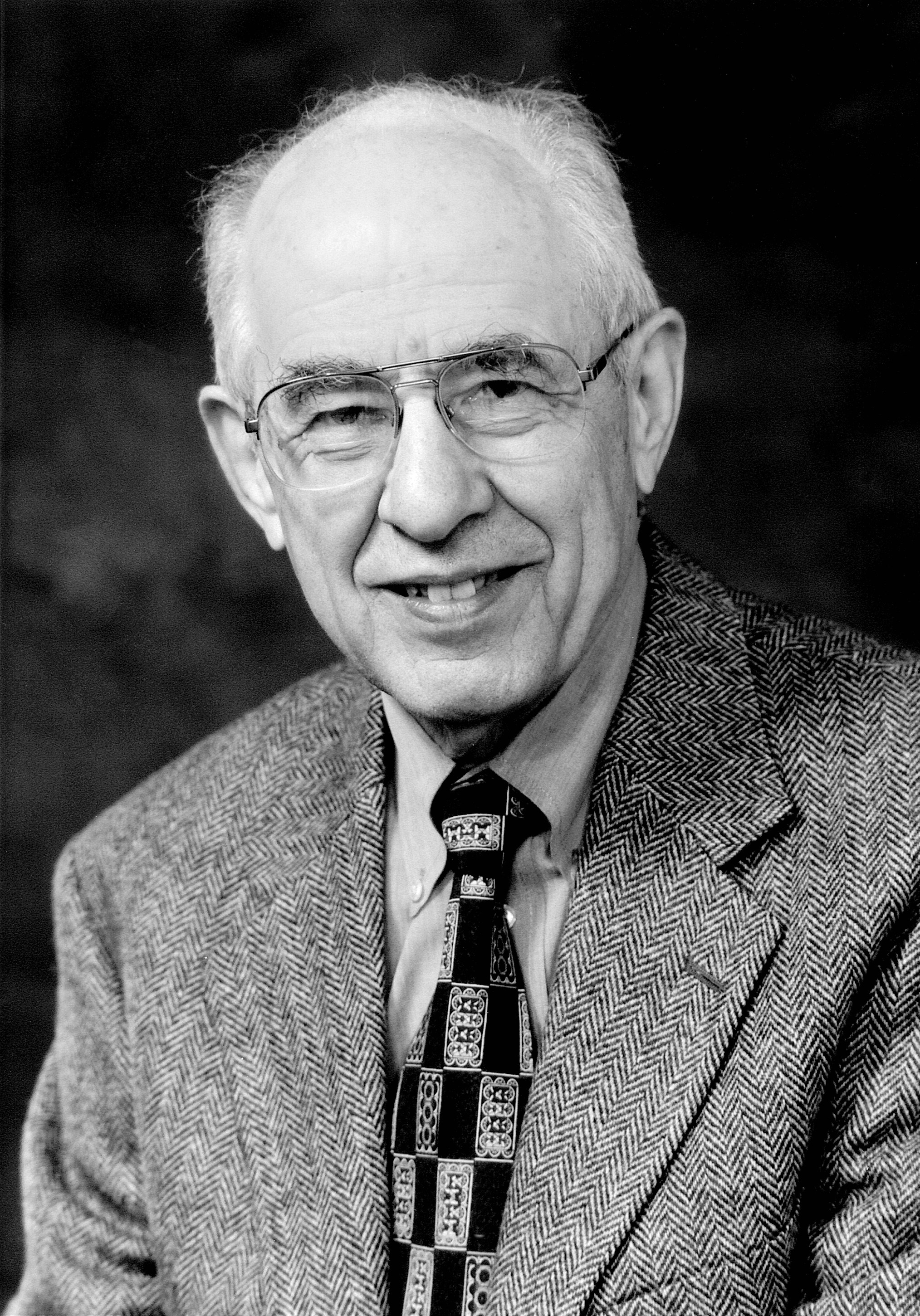
Hilary Putnam was a prominent American philosopher and mathematician, known for his work in philosophy of mind, philosophy of language, and philosophy of mathematics. Born on July 31, 1926, Putnam made significant contributions to the fields of functionalism, Twin Earth thought experiment, and the concept of multiple realizability. His philosophical ideas have been influential in shaping the debates on the nature of reality, knowledge, and truth. Putnam's work has been widely discussed and criticized, with some praising his innovative approaches and others challenging his views on realism and relativism. Throughout his career, Putnam held various academic positions, including at Harvard University, where he taught from 1965 until his retirement in 2000. His legacy continues to be felt in the philosophical community, with his ideas remaining a subject of ongoing debate and discussion.
📚 Introduction to Hilary Putnam
Hilary Putnam was a prominent American philosopher, known for his work in Philosophy of Mind, Philosophy of Language, and Epistemology. Born on July 31, 1926, Putnam's philosophical career spanned over five decades, during which he made significant contributions to various fields, including Mathematical Logic and Philosophy of Science. His work has been widely influential, with many philosophers, including RICHARD Ruddy and SAUL Kripke, engaging with his ideas. Putnam's philosophical journey was marked by a series of shifts in his views, from Logical Positivism to Pragmatism.
💡 Philosophical Contributions
Putnam's philosophical contributions are diverse and far-reaching. He is perhaps best known for his Brain-in-a-Vat thought experiment, which challenges the notion of Metaphysical Realism. This thought experiment has been widely discussed in the context of Epistemology and Philosophy of Mind. Putnam's work on Functionalism has also been highly influential, with many philosophers, including DANIEL Dennett, engaging with his ideas. Additionally, Putnam's work on Mathematical Realism has had a significant impact on the field of Philosophy of Mathematics.
🔍 Critique of Metaphysical Realism
Putnam's critique of Metaphysical Realism is a central aspect of his philosophical work. He argues that our understanding of the world is always mediated by our conceptual frameworks and that we can never have direct access to the world as it is in itself. This view is closely related to the ideas of IMMANUEL Kant and LUDWIG Wittgenstein. Putnam's critique of Metaphysical Realism has been influential in the development of Postmodernism and Social Constructivism. His work on this topic has also been engaged with by philosophers such as RICHARD Ruddy and SAUL Kripke.
📝 Functionalism and the Mind
Putnam's work on Functionalism is another significant aspect of his philosophical contributions. He argues that mental states, such as beliefs and desires, should be understood in terms of their functional roles rather than their internal constitution. This view is closely related to the ideas of DANIEL Dennett and JOHN Searle. Putnam's work on Functionalism has been influential in the development of Cognitive Science and Artificial Intelligence. His work on this topic has also been engaged with by philosophers such as DAVID Chalmers and GALEN Strawson.
🤝 Influence of Wittgenstein and Quine
Putnam's philosophical work was heavily influenced by the ideas of LUDWIG Wittgenstein and WILLARD Van Orman Quine. He was particularly drawn to Wittgenstein's later work, which emphasizes the importance of language and social practice in shaping our understanding of the world. Putnam's work on Meaning and Reference was also influenced by Quine's ideas on Holism and Indeterminacy. Putnam's engagement with these philosophers has had a significant impact on the development of Philosophy of Language and Epistemology.
📊 Mathematical Realism
Putnam's work on Mathematical Realism is another significant aspect of his philosophical contributions. He argues that mathematical truths are objective and discovered, rather than created by human convention. This view is closely related to the ideas of KURT Godel and ALAN Turing. Putnam's work on Mathematical Realism has been influential in the development of Philosophy of Mathematics and Logic. His work on this topic has also been engaged with by philosophers such as GEORGE Bootstrap and CRISPIN Wright.
📚 Legacy and Impact
Putnam's legacy and impact on philosophy are immense. His work has been widely influential, and he is widely regarded as one of the most important philosophers of the 20th century. Putnam's ideas have been engaged with by philosophers across a range of disciplines, including Philosophy of Mind, Philosophy of Language, and Epistemology. His work continues to be studied and debated by philosophers today, and his influence can be seen in many areas of philosophy. Putnam's legacy is a testament to the power of philosophical ideas to shape our understanding of the world and ourselves.
📝 Putnam's Later Work
In his later work, Putnam continued to develop and refine his philosophical ideas. He wrote extensively on Pragmatism and its implications for Epistemology and Philosophy of Language. Putnam's later work also engaged with the ideas of RICHARD Ruddy and SAUL Kripke, among others. His work during this period was characterized by a deepening commitment to Pragmatism and a growing skepticism of Metaphysical Realism.
👥 Criticisms and Controversies
Despite his significant contributions to philosophy, Putnam's work has not been without criticism and controversy. Some philosophers, such as DANIEL Dennett and JOHN Searle, have criticized Putnam's views on Functionalism and Mathematical Realism. Others, such as RICHARD Ruddy and SAUL Kripke, have engaged with Putnam's ideas on Metaphysical Realism and Epistemology. Putnam's work continues to be the subject of ongoing debate and discussion in the philosophical community.
🔜 Future Directions
As we look to the future, it is clear that Putnam's ideas will continue to shape and influence philosophical debates. His work on Functionalism, Mathematical Realism, and Pragmatism will remain essential reading for philosophers working in these areas. Additionally, Putnam's critique of Metaphysical Realism and his emphasis on the importance of language and social practice will continue to inform and shape philosophical discussions. As we move forward, it will be exciting to see how Putnam's ideas are developed and refined by future generations of philosophers.
Key Facts
- Year
- 1926
- Origin
- United States
- Category
- Philosophy
- Type
- Person
Frequently Asked Questions
What is Hilary Putnam's most famous philosophical idea?
Hilary Putnam's most famous philosophical idea is probably his Brain-in-a-Vat thought experiment, which challenges the notion of Metaphysical Realism. This thought experiment has been widely discussed in the context of Epistemology and Philosophy of Mind.
What is Putnam's view on [[functionalism|Functionalism]]?
Putnam's view on Functionalism is that mental states, such as beliefs and desires, should be understood in terms of their functional roles rather than their internal constitution. This view is closely related to the ideas of DANIEL Dennett and JOHN Searle.
How did Putnam's philosophical views change over time?
Putnam's philosophical views changed significantly over time. He began his career as a Logical Positivist, but later became a Pragmatist. He also shifted his views on Metaphysical Realism, moving from a more realist to a more anti-realist position.
What is Putnam's legacy in philosophy?
Putnam's legacy in philosophy is immense. His work has been widely influential, and he is widely regarded as one of the most important philosophers of the 20th century. Putnam's ideas have been engaged with by philosophers across a range of disciplines, including Philosophy of Mind, Philosophy of Language, and Epistemology.
How does Putnam's work relate to [[wittgenstein|Wittgenstein]] and [[quine|Quine]]?
Putnam's work was heavily influenced by the ideas of LUDWIG Wittgenstein and WILLARD Van Orman Quine. He was particularly drawn to Wittgenstein's later work, which emphasizes the importance of language and social practice in shaping our understanding of the world. Putnam's work on Meaning and Reference was also influenced by Quine's ideas on Holism and Indeterminacy.
What are some criticisms of Putnam's work?
Some philosophers, such as DANIEL Dennett and JOHN Searle, have criticized Putnam's views on Functionalism and Mathematical Realism. Others, such as RICHARD Ruddy and SAUL Kripke, have engaged with Putnam's ideas on Metaphysical Realism and Epistemology.
How does Putnam's work relate to [[social-and-political-philosophy|Social and Political Philosophy]]?
Putnam's work on Social and Political Philosophy is characterized by a commitment to Liberalism and a critique of Capitalism. He argues that a more equitable distribution of wealth and resources is necessary for a just society. Putnam's work on this topic has been influential in the development of Liberalism and Socialism.
🌐 Social and Political Philosophy
In addition to his work in Philosophy of Mind and Philosophy of Language, Putnam also made significant contributions to Social and Political Philosophy. He was a vocal critic of Capitalism and argued that a more equitable distribution of wealth and resources is necessary for a just society. Putnam's work on Social and Political Philosophy has been influential in the development of Liberalism and Socialism. His work on this topic has also been engaged with by philosophers such as JOHN Rawls and ROBERT Nozick.