
Contents
- 🌿 Origins & History
- ⚙️ How It Works
- 📊 Key Facts & Numbers
- 👥 Key People & Organizations
- 🌍 Cultural Impact & Influence
- ⚡ Current State & Latest Developments
- 🤔 Controversies & Debates
- 🔮 Future Outlook & Predictions
- 💡 Practical Applications
- 📚 Related Topics & Deeper Reading
- Frequently Asked Questions
- References
- Related Topics
Overview
Herbalism, also known as herbal medicine, phytomedicine, or phytotherapy, is the study and use of medicinal plants to promote health and wellness. With roots dating back to the Paleolithic era, herbalism has been a cornerstone of traditional medicine in many cultures, including ancient Sumer, Egypt, Greece, China, and India. Today, herbalism is used globally, with a growing body of research exploring its safety and efficacy. However, the lack of standardization and regulation in the industry has raised concerns about the quality and purity of herbal products. As the demand for natural and holistic approaches to health continues to rise, herbalism remains a vital and evolving field, with many renowned experts, such as Andrew Weil and James Duke, contributing to its development. With the World Health Organization (WHO) estimating that up to 80% of the world's population relies on traditional medicine, including herbalism, for their primary healthcare needs, the significance of this topic cannot be overstated. According to a study published in the Journal of Ethnopharmacology, herbal medicine has been shown to be effective in treating a range of health conditions, from anxiety and depression to digestive issues and skin problems.
🌿 Origins & History
Herbalism has a rich and diverse history, with evidence of its use dating back to the Paleolithic era. The ancient Sumerians, Egyptians, Greeks, Chinese, and Indians all used plants for medicinal purposes, with many of their traditional practices still influencing modern herbalism today. For example, the Greek physician Hippocrates is often credited with being one of the first to systematically study and document the medicinal properties of plants. The Chinese, meanwhile, developed a complex system of herbal medicine that is still used today, with many of its principles and practices being studied and adopted by Western herbalists, such as Traditional Chinese Medicine.
⚙️ How It Works
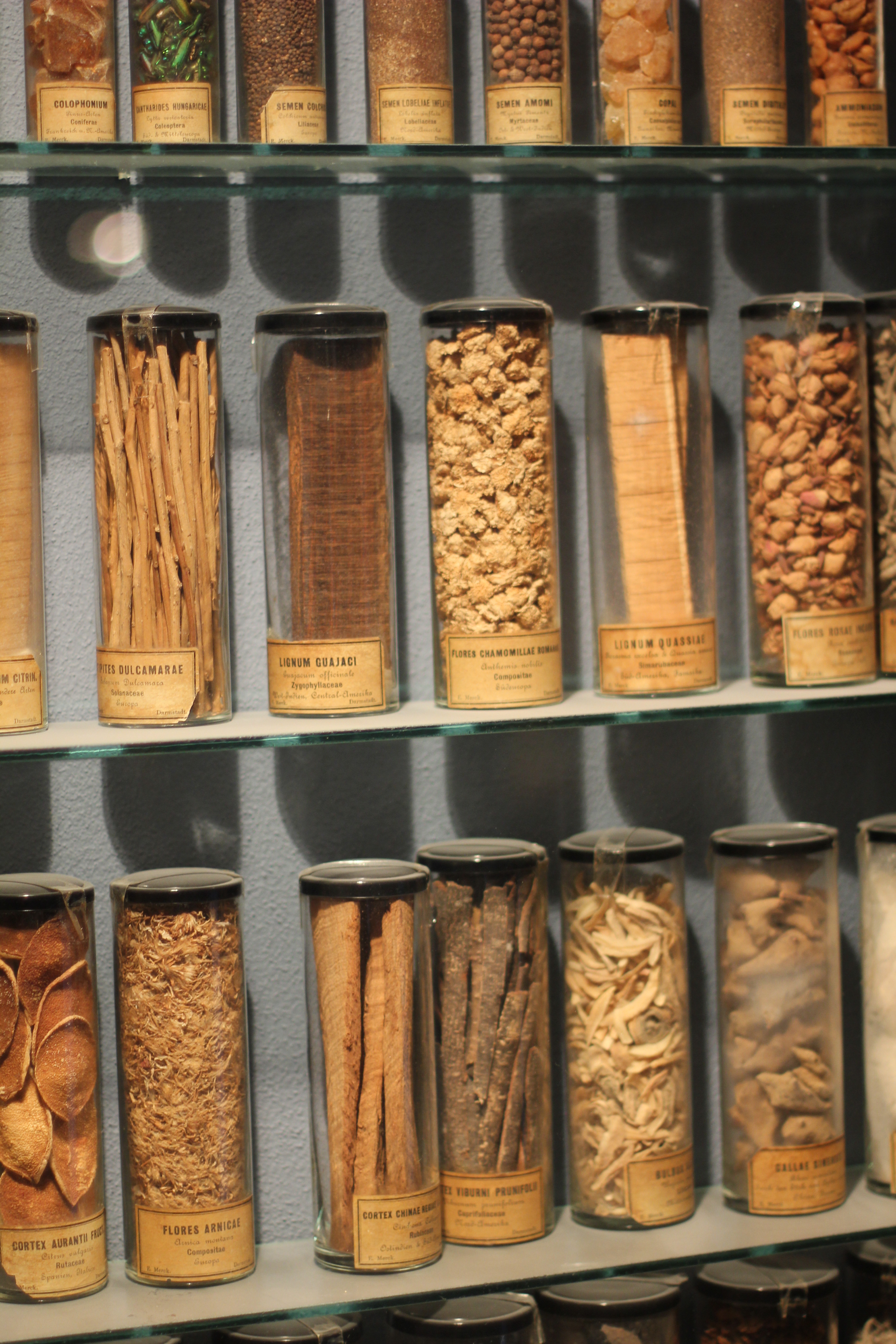
Herbalism works by using the bioactive compounds found in plants to prevent or treat various health conditions. These compounds can be found in different parts of the plant, including the leaves, roots, flowers, and seeds. Herbalists use a range of techniques, including infusion, decoction, and tincture, to extract and prepare these compounds for use. Many herbal products are available over-the-counter, including supplements, teas, and topical creams, with popular brands like Nature's Bounty and Gaia Herbs offering a wide range of products. However, the quality and purity of these products can vary widely, highlighting the need for greater regulation and standardization in the industry.
📊 Key Facts & Numbers
According to the World Health Organization (WHO), up to 80% of the world's population relies on traditional medicine, including herbalism, for their primary healthcare needs. In the United States alone, the herbal industry is estimated to be worth over $8 billion, with many consumers turning to herbal products as a natural and holistic approach to health. However, the lack of standardization and regulation in the industry has raised concerns about the quality and purity of herbal products, with some studies suggesting that up to 70% of herbal supplements may be contaminated with heavy metals or other adulterants. The National Institutes of Health (NIH) has established the National Center for Complementary and Integrative Health (NCCIH) to study the safety and efficacy of herbal products.
👥 Key People & Organizations
Many key people and organizations have contributed to the development and promotion of herbalism. The American Herbalists Guild is a professional organization that provides education and training for herbalists, while the Herb Research Foundation is a non-profit organization that supports research into the safety and efficacy of herbal products. Renowned herbalists like Stephen Harrod Buhner and Rosemary Gladstar have written extensively on the subject and have helped to popularize herbalism among modern audiences. The University of Maryland and the University of California, Los Angeles (UCLA) are among the many institutions that offer courses and programs in herbal medicine.
🌍 Cultural Impact & Influence
Herbalism has had a significant cultural impact and influence, with many traditional practices and remedies being passed down through generations. In Asia, herbalism is an integral part of traditional medicine, with many countries having their own unique systems and practices. In Africa, herbalism is often used in conjunction with other traditional practices, such as spiritual healing and divination. The World Health Organization (WHO) has recognized the importance of traditional medicine, including herbalism, in promoting global health and wellness. The National Institutes of Health (NIH) has also established the National Center for Complementary and Integrative Health (NCCIH) to study the safety and efficacy of herbal products.
⚡ Current State & Latest Developments
The current state of herbalism is one of growth and evolution, with many new products and practices being developed and promoted. However, the lack of standardization and regulation in the industry has raised concerns about the quality and purity of herbal products. The Food and Drug Administration (FDA) has established guidelines for the manufacture and labeling of herbal products, but more needs to be done to ensure consumer safety. The herbal industry is also facing challenges related to sustainability and environmental impact, with many herbal products being sourced from wild-harvested plants that are at risk of over-harvesting and extinction. The Rainforest Alliance and the Fair Trade Federation are among the many organizations that are working to promote sustainable and fair trade practices in the herbal industry.
🤔 Controversies & Debates
There are many controversies and debates surrounding herbalism, including concerns about the safety and efficacy of herbal products. Some critics argue that herbalism is unproven and lacks scientific evidence, while others argue that it is a valuable and effective approach to health. The American Medical Association (AMA) has expressed concerns about the lack of standardization and regulation in the industry, while the National Institutes of Health (NIH) has established the National Center for Complementary and Integrative Health (NCCIH) to study the safety and efficacy of herbal products. The Food and Drug Administration (FDA) has also established guidelines for the manufacture and labeling of herbal products, but more needs to be done to ensure consumer safety.
🔮 Future Outlook & Predictions
The future outlook for herbalism is one of growth and evolution, with many new products and practices being developed and promoted. As the demand for natural and holistic approaches to health continues to rise, herbalism is likely to play an increasingly important role in promoting global health and wellness. However, more research is needed to fully understand the safety and efficacy of herbal products, and to address concerns about standardization and regulation. The World Health Organization (WHO) has recognized the importance of traditional medicine, including herbalism, in promoting global health and wellness, and has established guidelines for the safe and effective use of herbal products. The National Institutes of Health (NIH) has also established the National Center for Complementary and Integrative Health (NCCIH) to study the safety and efficacy of herbal products.
💡 Practical Applications
Herbalism has many practical applications, from promoting relaxation and reducing stress to treating a range of health conditions. Many herbal products are available over-the-counter, including supplements, teas, and topical creams, with popular brands like Nature's Bounty and Gaia Herbs offering a wide range of products. However, it is essential to consult with a healthcare professional before using any herbal product, especially if you have a pre-existing medical condition or are taking prescription medications. The American Herbalists Guild and the Herb Research Foundation are among the many organizations that provide education and training for herbalists and promote the safe and effective use of herbal products.
Key Facts
- Year
- 2022
- Origin
- Global
- Category
- nutrition
- Type
- concept
Frequently Asked Questions
What is herbalism?
Herbalism is the study and use of medicinal plants to promote health and wellness. It has a rich and diverse history, with many traditional practices and remedies being passed down through generations. Herbalism is used globally, with many people turning to herbal products as a natural and holistic approach to health. However, the lack of standardization and regulation in the industry has raised concerns about the quality and purity of herbal products.
What are the benefits of herbalism?
Herbalism has many benefits, including promoting relaxation and reducing stress, treating a range of health conditions, and providing a natural and holistic approach to health. Many herbal products are available over-the-counter, including supplements, teas, and topical creams. However, it is essential to consult with a healthcare professional before using any herbal product, especially if you have a pre-existing medical condition or are taking prescription medications.
What are the risks of herbalism?
Herbalism can have risks, including the potential for adverse reactions, interactions with prescription medications, and contamination with heavy metals or other adulterants. The lack of standardization and regulation in the industry has raised concerns about the quality and purity of herbal products. It is essential to consult with a healthcare professional before using any herbal product, especially if you have a pre-existing medical condition or are taking prescription medications.
How can I get started with herbalism?
Getting started with herbalism can be as simple as trying a new herbal tea or supplement. However, it is essential to consult with a healthcare professional before using any herbal product, especially if you have a pre-existing medical condition or are taking prescription medications. There are many resources available, including books, online courses, and workshops, to help you learn more about herbalism and how to use it safely and effectively.
What is the future of herbalism?
The future of herbalism is one of growth and evolution, with many new products and practices being developed and promoted. As the demand for natural and holistic approaches to health continues to rise, herbalism is likely to play an increasingly important role in promoting global health and wellness. However, more research is needed to fully understand the safety and efficacy of herbal products, and to address concerns about standardization and regulation.
How can I find a qualified herbalist?
Finding a qualified herbalist can be as simple as asking for referrals from friends or family members. You can also check with professional organizations, such as the American Herbalists Guild, to find a qualified herbalist in your area. It is essential to do your research and find a qualified herbalist who has the education, training, and experience to provide safe and effective herbal remedies.
What is the difference between herbalism and phytotherapy?
Herbalism and phytotherapy are often used interchangeably, but they have distinct differences. Herbalism is the study and use of medicinal plants to promote health and wellness, while phytotherapy is the use of plant extracts and other plant-based products to treat health conditions. Phytotherapy is often used in conjunction with other forms of therapy, such as acupuncture and massage, to provide a holistic approach to health.